What Is a Hollow Door and What Is It Used For?

A hollow door may look simple from the hallway: a painted panel, a quiet latch, and a light feel when it swings open. Inside, though, its construction explains much of its appeal. Most hollow-core doors have a thin outer skin over a lightweight honeycomb or grid-like core. They are not completely empty. That structure keeps them easier to lift and usually less expensive than solid-core alternatives.

Contractor Tom Silva is a recognized home-renovation expert, but I could not verify a direct quotation from him specifically about hollow doors. Rather than put invented words in his mouth, here is a clearly labeled editorial takeaway: “Choose a door for the room’s needs, not just its price or appearance.” It is a practical starting point, not a verbatim Silva quote.

A hollow door often suits bedrooms, closets, and other interior spaces where low weight and cost matter. It can be easier to install, too. But sound may travel through it more readily, and the surface can dent under a hard knock. That trade-off is easy to overlook in a bright showroom. A busy hallway feels different. This guide explains how hollow doors are built, where they work well, and when a heavier door may be worth considering. The right choice depends on the room, the household, and what you expect the door to do.
What Is a Hollow Door and What Is It Used For?

What Defines a Hollow Door?

A hollow door is defined by its construction, not by a completely empty interior. It usually has thin face skins attached to a light perimeter frame, with a cellular paper or similar core between them. That core supports the faces and helps prevent them from flexing during normal use. Look at an unfinished edge and the structure becomes clearer: a narrow wood strip surrounds a lightweight center. The label can mislead.

The USDA Forest Products Laboratory’s Wood Handbook (2021, FPL-GTR-282) reports medium-density fiberboard densities of roughly 31–50 lb/ft³. That figure describes one possible face material, not the weight or density of a complete hollow door. Skins may also be hardboard or other engineered materials, and core designs vary. A typical interior model is about 1⅜ inches thick, though dimensions differ by application. The Window and Door Manufacturers Association’s ANSI/WDMA I.S. 1A standard addresses performance requirements for architectural wood flush doors; it does not make every flush door hollow-core. In practice, these doors are commonly selected for interior rooms where low weight and modest cost matter more than heavy impact resistance or sound isolation. Construction quality still varies. A weak frame edge can complicate hinge installation, so the door’s actual build matters more than its name.

How Is a Hollow Door Constructed?

What Is a Hollow Door and What Is It Used For?

A hollow door is a lightweight interior door with thin outer panels and a mostly empty-looking core. The name can mislead. It is not completely hollow. These doors are common in bedrooms, closets, and other indoor spaces where low weight and affordability matter more than heavy-duty sound control.

How Is a Hollow Door Constructed?

A narrow frame, often made from wood or engineered wood, forms the door’s perimeter. Internal rails and vertical pieces help keep the panel steady. Two thin sheets of hardboard or medium-density fiberboard are attached to the frame as the door’s faces. Between them, a folded-cardboard honeycomb core supports the skins without adding much weight. Some designs use different lightweight infill. Adhesive and pressure bond the layers together. The result feels firm across its surface, but it is not a solid slab. Its light construction can make the door easier to hang, though it usually offers less sound reduction than a solid-core door.

Tips: Check the door’s edges before fitting a handle or hinge. Some areas may contain solid blocking, while others may be mostly hollow. Follow the door’s installation instructions, and avoid assuming its core can hold heavy hardware. A small detail, but an easy one to overlook.

What Types of Hollow Doors Are Available?

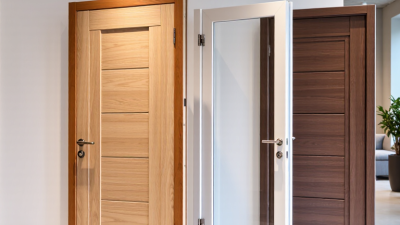
Hollow doors come in several styles, even though their lightweight construction is similar. Most have thin outer skins over a honeycomb cardboard or lattice core. The skin may be molded fiberboard or a smooth, flat sheet. Very light. That makes these doors easier to handle than solid-core options, but less resistant to dents and noise.

Molded-panel hollow doors have raised or recessed shapes pressed into their faces. Common designs include two-panel and six-panel patterns, with wood-grain textures that imitate painted timber. They suit bedrooms, closets, and hallways where a traditional look matters.

Flush hollow doors have plain, flat faces instead. They fit modern interiors and can be painted to match a wall, though scuffs may stand out on a smooth surface.

The category is less tidy than catalogs suggest: a paneled appearance does not tell you what lies inside. Check the product details for the core and skin materials, and compare the door’s weight and finish in person when possible. Some versions arrive primed; others have a finished surface.

Hollow-core doors are generally intended for interior use, not exposed entrances or rooms needing strong sound control. Measure twice. Trimming too much from an edge can expose the core or weaken the frame.

Where Are Hollow Doors Commonly Used?

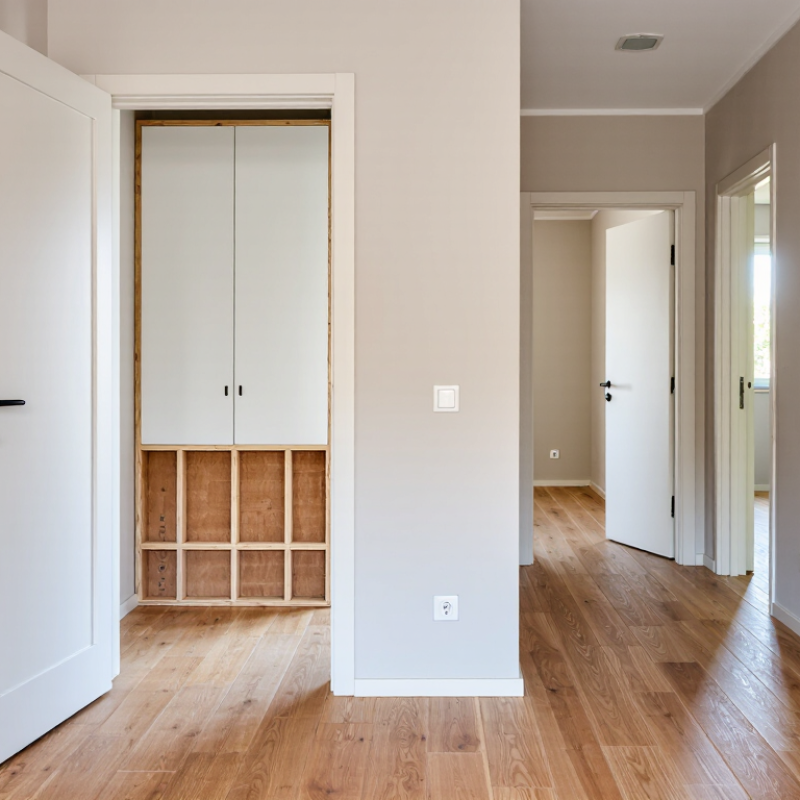
Hollow doors are most common inside homes, where privacy matters more than heavy-duty sound control. You’ll often find them on bedroom, bathroom, closet, and laundry-room openings. Their light weight makes them easier to hang and less tiring to open in busy hallways. They are light. In offices, apartments, and hotel rooms, they can also suit interior spaces with modest traffic. They are less suitable for entrances, noisy rooms, or places exposed to frequent impacts.

The U.S. Census Bureau and HUD reported 1,452,500 privately owned housing completions in 2023 in New Residential Construction. That figure gives a sense of the scale of residential building, but the report does not track door types. Hollow-core doors remain a practical choice for many interior openings because they typically cost less than solid-core options. Still, a bedroom beside a loud living room may need better sound control. I’d question the cheapest option there.

Tips: Check the door’s location before choosing. For a quiet study or a frequently used bathroom, compare sound reduction, durability, and moisture suitability—not just price. A hollow door can work well, but it is not the answer for every doorway.

What Is a Hollow Door and What Is It Used For? - Where Are Hollow Doors Commonly Used?

Common Location Typical Use Why a Hollow Door May Be Suitable Important Considerations
Bedrooms Separates a bedroom from a hallway or another interior room. Its light weight and typically lower cost make it a practical choice for many interior doorways. It generally provides less sound reduction and impact resistance than a solid-core door.
Closets and wardrobes Provides access to storage areas, including hinged-door closets. Closet doors usually do not need the same level of privacy or sound control as entry doors. Check that the door’s size, hinges, and opening style suit the closet layout.
Home offices and studies Separates a work area from shared living spaces. It can serve as a lightweight, economical interior partition door. For calls or focused work, a solid-core door and proper perimeter seals usually provide better sound control.
Bathrooms and powder rooms Provides privacy at an interior bathroom doorway. It can be used where a lightweight interior door is appropriate. Bathrooms can be humid; use a door with a suitable finish and follow the manufacturer’s guidance for moisture exposure.
Laundry rooms and utility rooms Separates household work areas from adjacent rooms or hallways. Its light weight can make frequent opening and closing easier. A hollow-core door may offer limited sound insulation from appliances; consider a more substantial door if noise is a concern.
Pantries and interior storage rooms Conceals shelves, supplies, and household storage. These openings often need a basic interior door rather than a heavy-duty entry door. Use suitable hardware and confirm that the door can withstand the expected frequency of use.
Exterior entrances or high-security openings Not generally the intended application for a standard hollow-core interior door. Hollow-core construction is designed primarily for interior use where low weight is useful. Choose a door specifically rated and constructed for exterior weather exposure, security, or required fire protection.

What Are Their Benefits and Limitations?

Hollow-core doors use a lightweight frame and thin surface panels, often with a honeycomb-like interior. Their low weight makes installation easier and puts less strain on hinges. They also suit closets, bedrooms, and other interior spaces where affordability matters. A painted surface can look clean and simple. But the door’s light construction offers less resistance to dents, and it usually blocks less sound than a solid-core door. A slammed door can feel surprisingly flimsy.

The U.S. Energy Information Administration’s 2020 Residential Energy Consumption Survey found that space heating accounted for 42% of household energy use. That figure does not measure door performance, but it highlights why an interior hollow door should not be mistaken for an exterior thermal barrier. For noise control, ask for tested sound ratings; ASTM E90 and E413 describe methods for measuring and classifying sound transmission. Ratings vary by assembly, so a vague “soundproof” claim deserves scrutiny. Hollow doors can also hold screws less securely, which matters for heavy hooks or repeated use.

Tips: Check the door’s weight and core before buying. Use solid-core construction where privacy, sound reduction, or impact resistance matters. For a quiet home office, a hollow door may disappoint. I would not choose one just because it is cheaper.

What Is a Hollow Door and What Is It Used For?

Typical interior door weight: hollow-core doors are lighter and easier to handle than solid-core doors.

Bars show approximate midpoints of commonly encountered ranges: hollow-core 25–30 lb (about 27.5 lb) and solid-core 50–100 lb (about 75 lb). Actual weight varies by door size and construction. Hollow doors are generally affordable and easy to install, but typically provide less sound insulation and impact resistance than solid-core doors.