2026 Best City Garage Door Manufacturers for Global Buyers
Choosing a reliable city garage door manufacturer requires more than comparing catalog prices. Global buyers must assess engineering, weather resistance, production capacity, certifications, and after-sales support. A door that performs well in a dry warehouse may fail near a coastal loading bay.
Industry data shows why this market deserves closer evaluation. Grand View Research’s Garage Doors Market Report estimates continued global growth through 2030, supported by residential construction, replacement demand, and smart-home adoption. Fortune Business Insights also identifies sectional and rolling doors as important product segments. However, published estimates differ in market size and growth rate. That difference deserves attention.
The 2026 Best City Garage Door Manufacturers for Global Buyers guide examines manufacturers through practical purchasing criteria. These include steel gauge, panel insulation, wind-load design, cycle testing, motor compatibility, customization, and export experience. DASMA technical guidance remains useful when buyers compare safety components, installation practices, and door-system performance. Certification claims should still be verified with current documents.
Details matter.
Look for transparent factory information, inspection records, spare-parts planning, and responsive technical communication. A supplier may offer a polished website yet provide weak installation instructions. That warning is easy to overlook. Our comparison considers real operating conditions, including narrow urban driveways, frequent opening cycles, snow loads, humidity, and limited maintenance access.
No ranking is flawless. Manufacturer capabilities can change, and regional distributors may influence the final experience. Buyers should confirm lead times, warranty exclusions, packaging standards, and local compliance before signing contracts. This introduction provides a grounded starting point, not a substitute for technical due diligence.
City Garage Door Manufacturing: Scope, Products, and Industry Role
2026 Best City Garage Door Manufacturers for Global Buyers
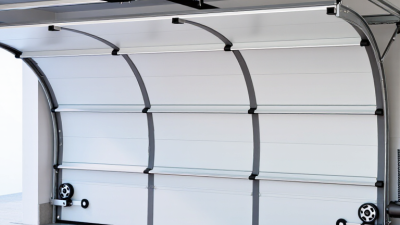
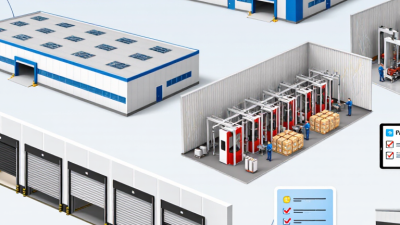
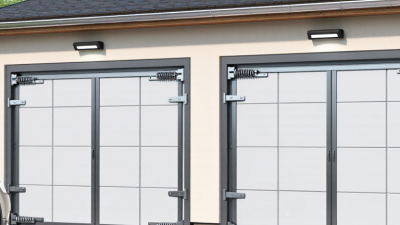
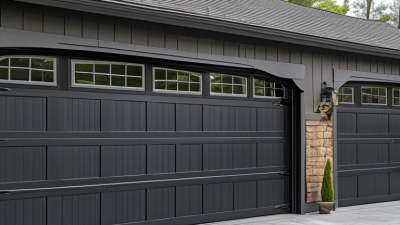
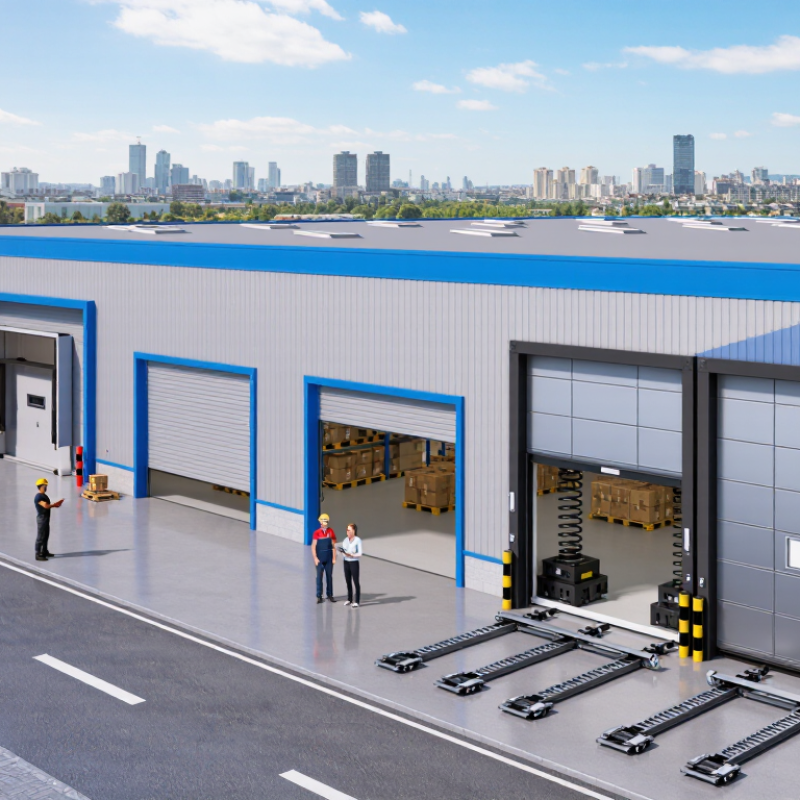
City garage door manufacturing covers design, fabrication, testing, and installation support. Its role extends beyond producing attractive entrance systems. Manufacturers serve apartments, retail buildings, warehouses, offices, and municipal facilities. Common products include sectional doors, rolling shutters, insulated panels, fire-rated assemblies, and smart access controls. Materials often include galvanized steel, aluminum, glass, and weather-resistant seals.
Reliable production depends on measurable quality. Buyers should review material thickness, cycle testing, insulation values, safety sensors, and corrosion protection. Factory documentation should match delivered products. A capable manufacturer also understands loading limits, local climate, doorway dimensions, and maintenance access. However, product catalogs can hide practical weaknesses. Some suppliers provide strong hardware but limited installation guidance. That gap can increase project delays and service costs.
Tips: Request drawings before ordering. Confirm packaging for long-distance transport. Ask for spare-part availability and response times. Review sample test reports, not only marketing claims. Keep one approved specification for every opening. Small details matter. Global buyers should also check electrical compatibility and regional safety requirements with qualified professionals. A factory visit, video inspection, or independent quality check can reveal unfinished welds, poor seals, and inconsistent paint coverage. Price still matters, but the cheapest quotation may not reflect its full operating cost.
2026 Best City Garage Door Manufacturers for Global Buyers
City garage door manufacturing covers residential, commercial, industrial, and high-speed access systems. The chart presents typical nominal clear-opening widths used in international procurement planning, based on commonly specified door applications rather than company or brand data.
Reference values: representative opening-width benchmarks in meters. Actual dimensions depend on building codes, vehicle clearance, structural conditions, insulation requirements, and project specifications.
Leading City Garage Door Manufacturers for International Buyers
City garage door manufacturers serving international buyers must understand dense urban conditions. Space is limited, deliveries are frequent, and noise can affect nearby residents. Experienced manufacturers design sectional, rolling, and side-sliding systems for different building layouts. They should explain clear opening sizes, headroom needs, insulation values, and cycle ratings in plain language. Practical guidance matters more than polished sales claims.
Look for documented factory experience and consistent quality controls. Reliable suppliers provide material specifications, product drawings, test reports, and installation instructions before ordering. They should also discuss regional building codes, electrical standards, wind loads, fire requirements, and import documentation. A useful manufacturer can adapt panel thickness, spring performance, motor voltage, and safety sensors for local conditions. Details matter.
Ask for production samples or verified project references. Check how the manufacturer handles replacement parts, remote troubleshooting, packaging damage, and warranty claims. These issues often appear after installation. No supplier is flawless. A specification can still miss a climate detail or an installer’s skill level. I would request a pilot order, inspect the hardware, and test the door through repeated opening cycles. Clear communication, traceable materials, and realistic lead times build stronger confidence for global buyers.
Export Standards, Customization, and Quality Verification
2026 Best City Garage Door Manufacturers for Global Buyers
Export Standards, Customization, and Quality Verification
Choosing a garage door manufacturer requires more than comparing catalog prices. Export-ready suppliers should provide clear technical files, material specifications, and inspection records. Ask whether products meet relevant regional standards, such as EN 13241, and confirm local conformity requirements before ordering. ISO 9001 certification can support process control, but it does not replace product testing.
Customization should be practical, not decorative. Confirm opening dimensions, wind-load requirements, insulation values, spring cycles, motor voltage, and control compatibility. Request drawings with tolerances before production. A reliable manufacturer explains limits honestly. In practice, small measurement errors can affect installation. That detail is easy to underestimate.
Tips:
Request a pre-production sample or video inspection. Check panel thickness, seal alignment, weld quality, coating consistency, and hardware strength. Ask for cycle-test results and packaging photos. Use an independent inspector when the order is large. Keep written approval records for every revision. No checklist is perfect. I have seen attractive samples hide weak hinges and poor drainage. Rechecking those details protects both delivery schedules and long-term performance.
How Global Buyers Can Select a Suitable Manufacturer
Choosing a city garage door manufacturer in 2026 requires more than comparing online prices. Global buyers should examine production experience, material control, testing procedures, and export support. Ask how steel panels resist coastal humidity, how springs perform after repeated cycles, and whether insulation values are verified by independent testing. A reliable factory should provide clear drawings, sample approval, inspection records, and traceable quality documents.
Request a video factory tour or arrange an on-site audit when possible. Observe panel forming, coating lines, hardware assembly, and final inspection. Confirm production capacity during peak seasons, not only in quiet months. Also review packaging methods, loading plans, spare-part availability, and warranty response times. A supplier may offer an attractive price but provide weak technical support. That difference becomes expensive after installation. I have seen projects delayed because door dimensions were confirmed too casually. That mistake is easy to repeat.
Tips: Compare at least three manufacturers using the same specification sheet. Test one complete door before placing a large order. Check weather seals, noise levels, opening balance, and safety features. Keep communication records and approve every drawing in writing. Ask for realistic lead times, including holidays and port delays. Do not trust impressive promises alone. A careful manufacturer welcomes difficult questions and explains limitations clearly. That honesty often matters more than a polished showroom.