What Is a Garage Door and How Does It Work?

A garage door is more than a large panel covering a vehicle bay. It is a coordinated system of sections, rollers, tracks, springs, hinges, cables, and an opener. Together, these parts lift and lower the door safely. Understanding each component makes unusual noises easier to notice. It also helps homeowners ask better questions before approving repairs.

Richard Kinch, a recognized garage-door safety educator, has said, “A garage door is the largest moving object in most homes.” That observation deserves attention. A typical door may weigh hundreds of pounds. Its springs store significant energy. The opener does not carry the entire load alone. Proper balance allows the system to move with less strain and fewer sudden movements.

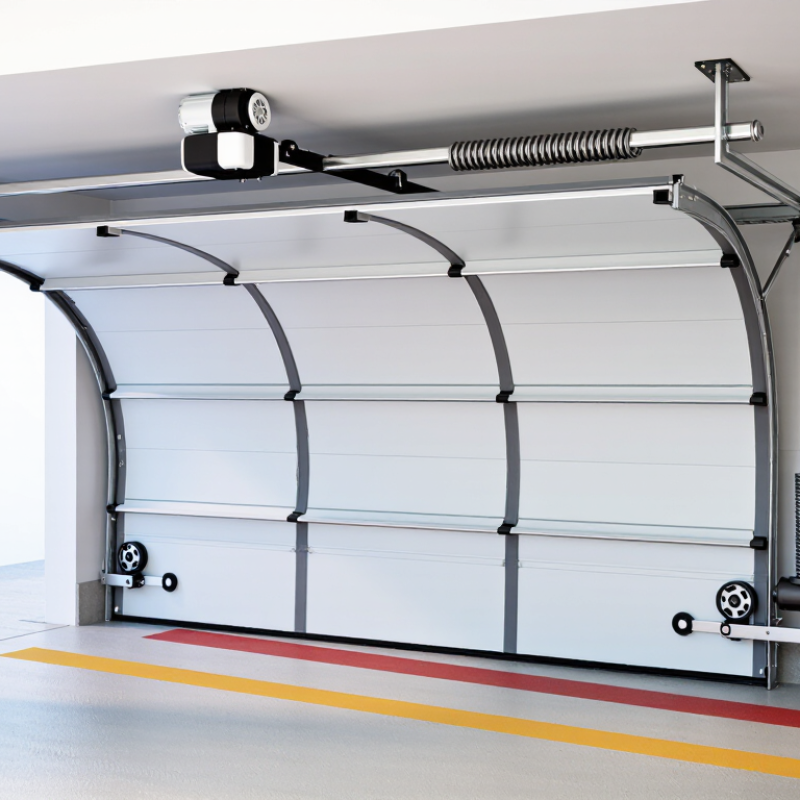
The sections bend along horizontal tracks as the door rises. Rollers guide that movement. Torsion or extension springs counterbalance the door’s weight. Photo-eye sensors can stop closing when an object interrupts their beam. Small details matter. A blocked sensor, loose cable, or damaged roller can change the door’s behavior.

This guide explains what happens from the wall switch to the final seal against the floor. It also separates normal operating sounds from warning signs. Some explanations simplify the mechanism too much. Real installations vary by design, age, climate, and maintenance history. That matters when comparing an and garage door system with another model. Never treat a heavy spring adjustment as a casual do-it-yourself task. A trained technician should inspect high-tension components. Good knowledge does not remove every risk. It helps you recognize when professional experience is necessary.
What Is a Garage Door and How Does It Work?

Garage Door Definition and Main Functions

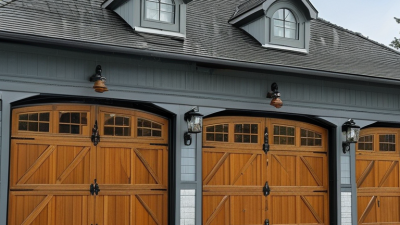
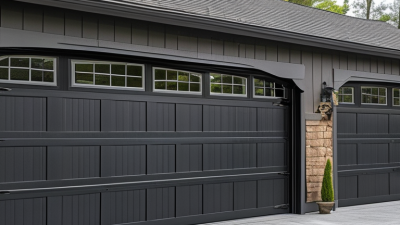
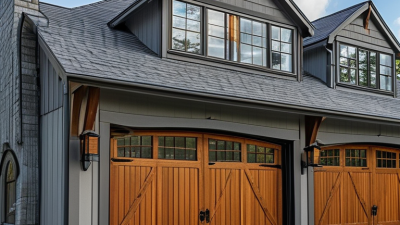
A garage door is a movable exterior barrier that protects a vehicle bay, tools, and household storage. In most homes, a sectional door uses several hinged panels. Rollers travel along metal tracks, while springs counterbalance the door’s weight. A motor moves the door through a trolley, belt, chain, or screw drive. The system looks simple. It is not.

Its main functions are security, weather control, access, and ventilation management. A closed door blocks rain, wind, dust, and unwanted entry. Insulated panels can also reduce heat transfer between an attached garage and living spaces. The U.S. Department of Energy reports that windows account for about 25%–30% of residential heating and cooling energy use; garage doors are not windows, but this figure shows how openings affect household efficiency. The actual benefit depends on seals, wall insulation, and local climate.

Safety is a core function, not an optional feature. CPSC safety guidance recommends testing an automatic opener’s reversal system monthly. Place a solid object under the door and confirm that it reverses after contact. DASMA technical guidance also emphasizes photoelectric sensors, balanced springs, and secure track installation. A damaged spring can store dangerous energy. DIY repairs are sometimes treated too casually. That judgment deserves reconsideration, especially when the door shakes, drops suddenly, or leaves uneven gaps.

Key Components of a Garage Door System

What Is a Garage Door and How Does It Work?

Key Components of a Garage Door System

A garage door is a moving barrier, not merely a large wall panel. Its sections travel on vertical and horizontal tracks. Rollers guide that movement. Hinges let each section bend as it turns above the opening. The lift system carries most of the weight, so small alignment errors can become serious.

The main load-bearing parts are the panels, tracks, rollers, cables, drums, and springs. Torsion springs sit above the opening and store energy when the door closes. They release that energy during lifting. Door and Access Systems Manufacturers Association technical guidance commonly uses 10,000 cycles as a spring-life reference. That number is only a baseline. A door used eight times daily may reach it in about three and a half years. Climate, corrosion, and poor balance can shorten it.

The opener adds control, not structural strength. A motor drives a trolley, while photoelectric sensors watch the opening near floor level. The U.S. Consumer Product Safety Commission states that residential openers manufactured after January 1, 1993, require automatic reversal and entrapment protection. During an inspection, test the manual release and listen for scraping, cable slack, or sudden dropping. These details matter. A common mistake is blaming the opener when worn rollers or an unbalanced spring system cause the noise. I would still question any diagnosis made without checking the door’s weight and balance first.

How a Garage Door Opens and Closes

What Is a Garage Door and How Does It Work?

A garage door moves along metal tracks, guided by rollers attached to its sides. When the door opens, each panel bends at its hinges and travels upward. The panels then rest horizontally beneath the ceiling. A spring system counterbalances the door’s weight, making movement smoother and safer. Cables transfer spring tension to the lifting mechanism. Without that balance, the opener would struggle and wear quickly.

Pressing the wall control activates an electric opener. Its motor turns a drive mechanism connected to the door. The door rises until a programmed limit tells the motor to stop. To close, the motor reverses direction and pulls the door downward. This process is quiet when the tracks are aligned and the rollers are clean. Small problems often begin with scraping sounds.

Safety sensors sit near the floor on both sides. They send an invisible beam across the doorway. If a person, bicycle, or box interrupts it, the door should reverse. Test this feature carefully with a flat object, not your hands or feet. A door may appear fine while having a weak spring or loose cable. That is easy to underestimate. Spring repairs require proper tools and training because stored tension can cause serious injuries. The manual release also matters during a power failure. Pulling it allows the door to move by hand, but a heavy door should never be forced. A qualified inspection can reveal uneven movement, damaged hardware, or incorrect closing limits before a minor fault becomes a larger repair.

Common Garage Door Types and Their Operating Methods

A garage door is a movable barrier that protects vehicles, tools, and interior space. Its design determines how it opens, balances, and stores above or beside the opening. The sectional door is common in residential properties. Several hinged panels travel vertically on metal tracks, then rest horizontally beneath the ceiling. Torsion springs counterbalance the door’s weight. The opener only guides movement; it should not carry the entire load.

A tilt-up door uses one rigid slab. It pivots outward and then rises into the garage. This method needs clear space in front of the doorway. A roller door uses narrow slats that coil around a barrel above the opening. It saves ceiling space, although its guides require careful alignment. Side-hinged doors swing outward like paired gates. They offer simple manual operation but need room outside. Not always practical.

Openers commonly use chain, belt, or screw-driven mechanisms. Each moves a trolley along a rail, which connects to the door through an arm. DASMA technical guidance emphasizes correct spring balance, track alignment, and force limits during installation and testing. A poorly balanced door may close unevenly or strain the opener. I have found that owners often blame the motor first. That assumption can delay the real repair.

The 2024 Zonda Cost vs. Value Report recorded about 194% cost recouped for garage-door replacement. The figure reflects perceived exterior value, not guaranteed performance. Material, insulation, wind exposure, and maintenance still affect daily operation. A professional inspection should check cables, rollers, springs, sensors, and emergency release function.

What Is a Garage Door and How Does It Work? - Common Garage Door Types and Their Operating Methods

Garage Door Type How It Operates Main Components Typical Space Requirement Advantages Considerations
Sectional Garage Door Several hinged panels move upward along vertical and horizontal tracks, then rest parallel to the garage ceiling. Door sections, rollers, tracks, hinges, lift cables, torsion or extension springs, and an opener. Requires ceiling clearance for the horizontal tracks and enough space above the door opening for the tracks and springs. Good insulation potential, efficient use of driveway space, widely available, and suitable for manual or powered operation. Moving parts require periodic inspection and lubrication. Spring and cable repairs should be handled by trained professionals.
Roll-Up Garage Door A curtain made of interconnected slats rolls around a barrel above the opening as the door is raised. Slatted curtain, side guides, barrel, counterbalance assembly, bottom bar, and optional motor operator. Uses little ceiling space, but needs adequate headroom for the barrel and side room for the guides. Compact operation, durable construction, and useful where ceiling space is limited. Slats and guides must remain aligned and free of debris. Insulation and appearance vary by construction.
One-Piece Tilt-Up Door The entire rigid door panel tilts outward and then upward, rotating into a roughly horizontal position above the opening. Single panel, pivot arms or track hardware, counterbalance springs, hinges, and an optional opener. Needs clear space in front of the garage while opening and sufficient overhead clearance when fully raised. Simple panel design and a traditional appearance with fewer door sections. The door can swing outward, so vehicles and people must remain clear during operation. It may offer less flexibility for insulation and weather sealing.
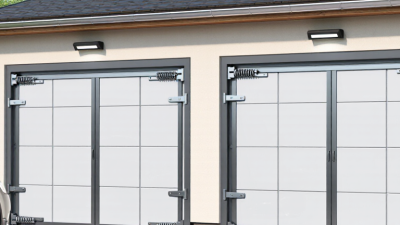
Side-Hinged Garage Door Two or more leaves swing open from hinges mounted along the side jambs, similar to double doors. Door leaves, hinges, jambs, handles, latches, weather seals, and optional automatic swing-door equipment. Requires unobstructed space in front of the garage for the leaves to swing outward or inward. Provides convenient pedestrian access, works well where overhead tracks are unsuitable, and has a straightforward mechanism. Driveway space can limit operation. Seals, hinges, and latches need regular adjustment and maintenance.
Sliding Garage Door One or more door panels travel sideways on floor-mounted or overhead tracks beside the garage opening. Panels, rollers, guide tracks, stops, handles, and optional powered sliding hardware. Needs clear wall space beside the opening equal to, or greater than, the travel width of the panels. Does not require overhead storage space and can be practical for unusually shaped or low-ceiling garages. Tracks must stay level and clean. Wall space and weather sealing may limit installation options.
Bi-Fold Garage Door Vertically hinged panels fold together as they move upward or outward, depending on the hardware configuration. Hinged panels, pivot hardware, guide tracks, rollers, counterbalance parts, and optional motor controls. Requires appropriate headroom and clearance for the panels as they fold; exact needs depend on the design. Can open quickly and may suit wide openings or buildings with specialized architectural requirements. More hinges and moving joints can increase maintenance requirements and installation complexity.
Vertical-Lift Garage Door The door travels straight upward along vertical tracks and does not turn along a horizontal ceiling track. Door curtain or sections, vertical guides, rollers, lift cables, counterbalance system, and a suitable operator. Needs substantial clear height above the opening and is generally used in taller garages or industrial spaces. Leaves the ceiling area open and allows tall vehicles or equipment to pass through the opening. Usually requires a high-clearance structure and careful coordination of tracks, cables, and operator components.
How a Garage Door Works: A garage door moves through a coordinated system of panels or curtains, tracks or hinges, rollers, counterbalance springs, lift cables, and an optional electric opener. The counterbalance system reduces the force needed to raise the door, while the opener moves it through a controlled cycle. Photoelectric sensors and automatic reversal features are commonly used to help prevent the door from closing on people or objects.

Safety Features, Maintenance, and Typical Problems

What Is a Garage Door and How Does It Work?

A garage door moves along tracks using rollers, hinges, and counterbalance springs. The opener supplies motion, but the springs carry much of the door’s weight. Safety deserves regular attention. Test the auto-reverse function monthly by placing a solid object under the closing door. The door should reverse immediately. Check the photo-eye sensors too. They should face each other and remain free from dust, leaves, or small objects. Never allow children to play beneath a moving door.

Maintenance is usually simple when performed consistently. Inspect cables, rollers, hinges, and tracks for fraying, cracks, rust, or unusual movement. Tighten accessible hardware carefully, and use a suitable garage-door lubricant on hinges and rollers. Do not lubricate the tracks heavily, because greasy tracks can collect dirt. Test the door’s balance by disconnecting the opener and lifting it halfway by hand. It should stay nearly level. This test can reveal spring problems early.

Typical problems include a humming opener, a door that stops halfway, remote failure, and loud grinding sounds. Replace remote batteries before assuming the opener is damaged. A blocked sensor may also cause unexpected closing problems. I still find sensor alignment easy to overlook. Do not adjust springs, cables, or major track components casually; stored tension can cause severe injuries. A qualified technician should handle those repairs, especially when the door drops suddenly, hangs unevenly, or makes sharp snapping noises.

What Is a Garage Door and How Does It Work?

A garage door moves on tracks using rollers, springs, cables, and an opener. The following chart shows typical preventive-maintenance intervals for key safety and operating components.

Intervals are general guidance. Test the auto-reverse function monthly, inspect hardware regularly, and follow the door manufacturer’s instructions. Do not adjust torsion or extension springs without professional training.