NJ & NYC Commercial & Residential Garage Door
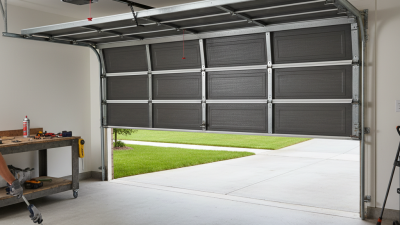
Choosing an overhead sectional door for an international project takes more than comparing catalog prices. The right specification must fit the opening, operating cycle, local climate, and available service support. A door facing a windy loading bay may need different reinforcement from one used inside a dry warehouse. Check clear opening dimensions, headroom, side room, panel construction, track layout, spring design, and control options. Small omissions can become expensive once the door reaches the job site.
An illustrative expert voice for this guide, door-systems specialist Jordan Ellis, offers this reminder: “Specify the complete door system, not just the panels.” Treat that as a practical prompt, not a published quotation. Ask suppliers for drawings, performance data, installation requirements, spare-parts details, and warranty terms. Compare like with like. A low quote may omit hardware, controls, or commissioning support. That deserves a closer look.
These seven buying tips help global buyers ask sharper questions before placing an order. They also highlight details that are easy to overlook, including packaging, delivery coordination, and communication across time zones. No checklist removes every risk. Specifications can still miss real site conditions. Confirm critical measurements with the installer, and have the final documents reviewed by the project team. A careful purchase begins with clear requirements—and room to revise them.

Before comparing prices, measure the clear opening at three points: top, middle, and bottom. Record the smallest width and height. Check headroom above the opening, side room beside the tracks, and any pipes, lights, or beams in their path. Small obstructions matter. A survey can still miss a sloping floor or an uneven lintel, so photograph these details and confirm measurements on site before ordering.
Match the door to its daily workload. A cold-storage entrance opened dozens of times per shift needs different insulation and cycle capacity from a rarely used workshop door. The U.S. Energy Information Administration’s 2018 Commercial Buildings Energy Consumption Survey counted 5.9 million commercial buildings across 97 billion square feet; it is a useful scale reference, not a global benchmark. Consider local heat, humidity, dust, and salt exposure when specifying panels, seals, and hardware. Wind exposure matters too. Ask the installer to verify design loads against locally adopted requirements, using the site’s exposure and building details—not a generic regional assumption. Leave room for doubt: an indoor inspection may not reveal seasonal water pooling or wind-driven rain. Check after heavy weather if possible.
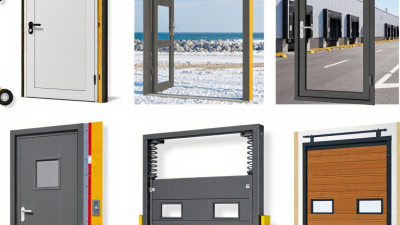
Sectional doors differ in how their panels are built. Single-layer steel is usually lighter, while double-layer designs add a backing sheet. Triple-layer panels often place insulation between two skins. Check panel thickness, joint shape, and hinge attachment—not just the door’s appearance. Small details matter.
Steel resists everyday knocks, but its coating and edge protection affect long-term durability. Aluminum can reduce weight, though thin sections may dent more easily. Timber offers a distinct finish but needs attention to moisture and seasonal movement. Composite skins can balance appearance and upkeep, yet their core and repair options vary. Ask for material specifications and sample cross-sections.
Insulation figures need context. Compare stated R-values or U-values using the same test basis, and consider the full door assembly, including seals. A well-insulated panel can still leak air around its perimeter. Look for bottom seals that meet the floor evenly, tight side seals, and thermal breaks where relevant. For windy or cold sites, verify tested performance and suitable ratings for local conditions. Don’t assume the highest insulation figure solves every problem. A heavy door may also demand stronger tracks and hardware, so compare operating effort, cycle ratings, and maintenance needs alongside thermal performance.
| Buying Tip | Construction or Material to Compare | Typical Insulation Considerations | Performance and Durability | What to Confirm Before Ordering |
|---|---|---|---|---|
| 1. Compare panel construction | Single-layer steel panels are lightweight and economical. Double-layer panels add an inner skin and insulation. Triple-layer “sandwich” panels typically place insulation between two skins. | Uninsulated doors offer little thermal resistance. Insulated models vary substantially by panel design, core material, thickness, and seals. | More substantial panel construction can improve stiffness and reduce heat transfer, but performance depends on the complete door system. | Ask for panel cross-sections, overall thickness, stated thermal rating, and whether the rating applies to the panel or the complete assembled door. |
| 2. Choose a material suited to the site | Common options include galvanized or coated steel, aluminum, wood, and fiberglass. Some doors combine materials, such as steel skins with an insulated core. | Material alone does not determine insulation; insulated construction and perimeter seals are also important. Metal doors generally need a thermal break or insulated core to limit heat transfer. | Coated steel is widely used but scratches can expose it to corrosion. Aluminum resists rust and is relatively light. Wood needs periodic care; fiberglass performance depends on its construction and finish. | Consider coastal salt exposure, humidity, temperature range, impact risk, maintenance resources, and local availability of repair materials. |
| 3. Verify insulation ratings and air sealing | Insulation may use polystyrene or polyurethane foam. Compare the core, panel thickness, thermal breaks, bottom seal, and side and top weatherstripping. | Published door ratings vary widely. Insulated sectional doors commonly range from low single-digit R-values to the mid-teens or higher, depending on design and test method. | A higher insulation rating can help moderate temperatures, but gaps around the door can reduce the benefit. R-value and U-factor are different measures; a lower U-factor indicates less heat transfer. | Request the test method and rating basis, check whether the figure is for the panel or complete door, and inspect the proposed perimeter sealing system. |
| 4. Match wind resistance to the building location | Wind performance depends on panel reinforcement, tracks, brackets, fasteners, and anchorage—not panel material alone. | Insulation does not by itself establish wind-load capacity. Reinforcement may affect weight and hardware requirements. | Coastal regions, exposed sites, and areas subject to severe storms may require doors designed for specific wind pressures or local code requirements. | Confirm the required design pressure, applicable local building-code approval, opening size, and installation details with the project designer or authority having jurisdiction. |
| 5. Check hardware, springs, and operating cycles | Compare track configuration, hinges, rollers, cables, spring type, and the specified cycle rating of the counterbalance system. | Insulated panels are often heavier than basic single-layer doors, so the spring and opener must be selected for the actual door weight. | Springs and moving hardware are wear components. A higher stated cycle rating may suit frequent-use applications, but it does not eliminate inspection or maintenance. | Ask for the rated cycle life, door weight, compatible spring system, replacement-part availability, and recommended inspection schedule. |
| 6. Assess corrosion protection and finish | Compare the base metal, protective coating, paint or finish system, edge protection, and hardware coating. | Coating and finish do not replace insulation, but they can help preserve panel condition and sealing surfaces over time. | Corrosion risk increases in salty, humid, or chemically aggressive environments. Damaged coatings should be repaired according to the manufacturer’s maintenance instructions. | Request coating details, care instructions, warranty terms, and confirmation that exposed hardware and fasteners are suitable for the installation environment. |
| 7. Confirm fit, safety, and complete system performance | Review opening dimensions, headroom, side room, backroom, track layout, operator, photoelectric sensors, and entrapment-protection features. | Correct installation and continuous seals help the installed door achieve its intended thermal and weather performance. | Clearances and compatible safety devices affect reliable operation. Local regulations and product standards differ between markets. | Provide a verified opening survey; confirm operating voltage and controls, safety-device requirements, installation instructions, certification, and service support for the destination country. |
Note: Insulation values, wind-load requirements, available materials, and applicable standards vary by product, test method, and market. Request current technical documentation for the exact door size and configuration before purchase.
Before choosing an overhead sectional door, check the safety rules that apply where it will be installed. Requirements can differ by country, region, and building type. Ask for current, model-specific test reports and certification documents, then confirm they match local requirements. A certificate alone may not cover the opener, controls, or installation. Details matter. Check that the manual explains entrapment protection, emergency release, and safe operating clearances. If anything is unclear, ask a qualified local installer or building professional to review it.
Tips: Match the door to the site’s climate and exposure. In coastal areas, humidity and salt can speed up corrosion, so ask about corrosion-resistant materials and hardware. For windy locations, verify the tested wind-load rating against local design needs. Cold changes things. Check insulation values, seals, and drainage details where temperatures fluctuate or rain is frequent. In hot, sunny settings, consider heat gain and fading, not just the door’s appearance.
Compare the documentation with the actual door configuration, including panel size, glazing, tracks, and operator. A rating for one setup may not apply to another. I would not assume a familiar specification transfers between markets; even small installation differences can matter. When records are incomplete, pause and verify them before ordering.
An overhead sectional door’s operating system should match the opening size, daily cycle count, and available power supply. A lightly used warehouse may need a different motor duty rating than a busy loading area. Check whether manual operation is practical during a power outage, and make sure staff can reach the emergency release safely. Small details matter.
Safety features deserve hands-on evaluation, not just a specification sheet. Ask how photoelectric sensors detect an obstruction and whether the door stops and reverses when its lower edge meets resistance. Test these functions during commissioning, then record the results. Sensor alignment can shift after vibration or an accidental impact. A system that worked on installation day may not stay reliable without checks.
Maintenance needs vary by climate and usage. Dust can collect in tracks, while humidity and salt air may accelerate wear on exposed hardware. Ask for a clear maintenance schedule, compatible replacement parts, and access to technical support in the destination market. Inspect rollers, cables, hinges, and track fasteners for unusual noise or visible damage. Do not assume the lowest-maintenance option is always the best fit; service access and local expertise can matter more. One overlooked issue is spare-part availability. A minor repair can keep a door out of service when a specific component must travel a long distance.
7 Overhead Sectional Door Buying Tips for Global Buyers
An overhead sectional door may have an attractive factory price, yet delivery and upkeep can change the calculation. Ask suppliers for written specifications, production lead times, inspection procedures, and warranty terms. Request references from buyers in markets with similar climates and operating demands. Check whether spare panels, springs, and rollers will remain available. A polished quotation is not proof of dependable service.
Tips: Compare shipping quotes using the packed door’s dimensions and weight, not just its product price. Confirm crating, port handling, insurance, customs charges, and inland delivery are included or clearly listed. Small details matter. A narrow delivery window can also affect storage fees and installation schedules. Allow a buffer. Freight estimates can shift, so get current, itemized figures before placing an order.
For total ownership cost, include installation, routine lubrication, hardware checks, energy use, and likely part replacements. Ask how often the door needs maintenance under your expected daily cycle count. Compare insulation and sealing details if the building faces temperature swings or dust. Verify who handles technical questions after delivery, and how quickly they can provide parts. I have seen buyers focus too heavily on freight; that is easy to do, but service delays may cost more over time. Keep assumptions visible in your comparison, even when some figures are estimates.
Compare supplier reliability, shipping costs, and total ownership cost with a 10-year planning example.
Example only: estimated costs for one commercial door, shown in USD. Actual prices vary by door size, specifications, destination, customs rules, installation conditions, and maintenance needs. Request comparable quotations, verify supplier references and warranty terms, and calculate landed and lifecycle costs before purchasing.