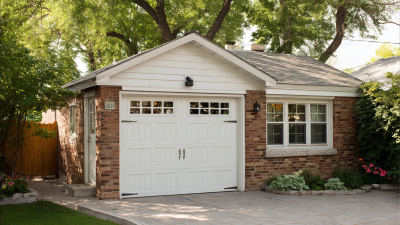
How to Choose the Best Residential Garage Doors?
Choosing the right residential garage doors involves more than matching a color to your home. The door affects curb appeal, security, insulation, and everyday access. It may also influence heating and cooling costs when the garage shares a wall with living space. Small details count.
Start with your home’s dimensions, local weather, and how you use the garage. Steel doors are often valued for durability, while wood offers a distinct appearance but usually needs more maintenance. Insulated models can help moderate temperatures, though performance depends on the door’s construction and installation. Check the product’s stated insulation rating rather than relying on broad claims. A number alone does not tell the whole story.
Think about wind exposure, moisture, noise, and available headroom for tracks. Ask installers how the door will fit your opening and whether existing hardware needs attention. Request written details about materials, warranties, maintenance, and safety features, including the opener’s reversal system. Verify that the proposed model suits local conditions; requirements can differ by area. And compare more than price.
A low quote may leave out removal, hardware, or follow-up service. That is easy to miss. The best choice is not automatically the most expensive, or the one with the most features. It should suit your budget, withstand expected use, and be installed correctly. Even careful comparisons cannot predict every repair. Leave room for that reality, and ask questions before signing.
Assess Your Garage’s Needs, Dimensions, and Local Conditions
Before comparing residential garage doors, measure the opening’s width and height at several points. Older garages are not always square. Note the clearance above the opening, the side space, and the depth available for tracks. A tape measure, not an estimate, can prevent ordering a door that binds against a ceiling beam. Check the floor, too. A sloped or uneven threshold may leave gaps beneath the door, allowing rain, dust, or cold air inside. Small details matter.
Your local conditions shape the right construction. In windy areas, ask a qualified installer whether the door and its hardware are rated for expected wind loads. In cold or noisy locations, compare insulation values and look for seals that remain flexible through seasonal temperature changes. Salt air, frequent rain, and strong sun can affect finishes and hardware differently. Think about daily use as well: a busy household may need a durable door and dependable safety sensors. If the garage has unusual framing, limited headroom, or visible structural damage, have a professional assess it before choosing a model. Measurements can still be off. Recheck them, and record where each one was taken.
Compare Door Materials, Construction, and Durability
Steel, wood, aluminum, and fiberglass each age differently. Steel usually needs little routine care, but thin panels can dent and damaged coatings may rust. Wood offers a solid feel, yet moisture and peeling finishes demand attention. Aluminum is lightweight but dents easily; fiberglass resists rust, though impact damage can be difficult to repair. No material wins everywhere.
Look closely at construction, not just the surface. A single-layer door has little insulation; an insulated sandwich panel can reduce heat transfer and feel less flimsy. The U.S. Department of Energy explains that higher R-values indicate greater resistance to heat flow. EIA’s 2020 Residential Energy Consumption Survey found space heating accounted for about 42% of U.S. household energy use. That figure does not predict savings from a garage door, but it matters when an attached garage shares walls with heated rooms. Check panel insulation, weather seals, and whether the frame creates thermal gaps.
Durability also depends on the site. Salt air, driving rain, and frequent temperature swings can expose weak finishes and seals. Inspect hinges, rollers, tracks, and the bottom seal; a heavy panel with poor hardware is not a durable system. Quiet matters, too. Ask how the door is reinforced and what maintenance its springs require. Then compare the warranty with the actual climate. It is easy to overvalue a thick panel and overlook a worn seal. That part is less obvious.
How to Choose the Best Residential Garage Door?
Compare common door materials by practical durability factors.
Ratings are qualitative comparisons from 1 (low) to 5 (high), not laboratory measurements. Actual performance depends on construction, coatings, climate, and upkeep. Steel is often a balanced option; aluminum resists corrosion but can dent, while wood typically needs more frequent maintenance.
Choose an Opening Style, Insulation Level, and Security Features
Choose an opening style that fits the space around your garage. Sectional doors lift overhead, so they suit short driveways, but ceiling tracks need clearance. Side-hinged doors open outward and offer easy walk-in access. That can be awkward when a car sits close to the entrance. Measure the opening, ceiling, and driveway before comparing options.
Small details matter.
Insulation deserves attention when the garage shares a wall with living space or holds temperature-sensitive items. Compare the door’s stated insulation rating, then check its seals and frame. A high rating is less useful if cold air slips beneath the door. Security also depends on more than a sturdy-looking panel. Look for reinforced sections, secure track attachment, and a locking system that resists casual tampering. If the door uses an automatic opener, confirm its safety sensors reverse movement when an object blocks the path.
Practical beats impressive.
Needs differ, and ratings cannot describe every draft or daily routine. Recheck measurements; they are easy to misjudge.
Match the Door’s Design to Your Home and Garage Layout
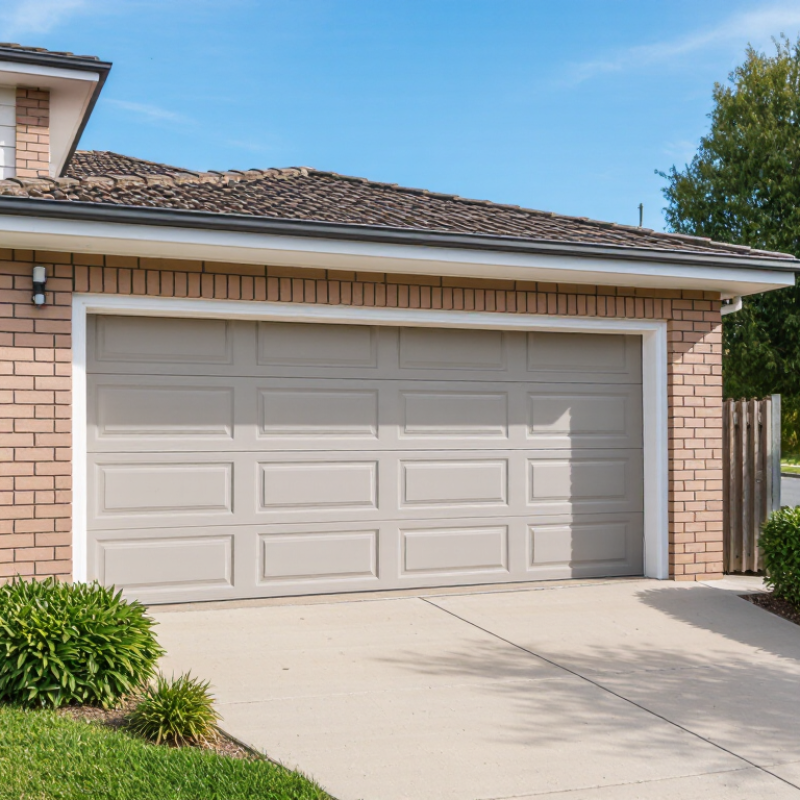
A garage door occupies a large part of the front façade, so its design should feel related to the home rather than added as an afterthought. Match its lines to nearby features: flush panels suit simpler façades, while raised panels can echo traditional trim. On a narrow driveway, windows near the top can bring daylight inside without sacrificing much privacy. Check how the door looks from the street and from inside the garage. Both views matter.
The layout matters just as much as appearance. Measure the opening, ceiling clearance, side room, and the path of the door when it opens. A sectional door travels overhead, which can be awkward if lights or storage obstruct the tracks; a side-hinged style needs clear space outside. Small details count. In Zonda’s 2024 Cost vs. Value report, a garage door replacement had a national average project cost of $4,513 and an estimated resale value of $8,751. That comparison is not a promise of return, nor does it measure design quality. Still, it shows why curb appeal deserves careful thought. Avoid matching every detail too perfectly; a door that copies the trim, windows, and roof may make the façade feel busy. Step back, compare materials and colors, and reconsider before choosing.
Compare Installation Requirements, Maintenance, and Long-Term Cost
A residential garage door must fit the opening, the structure, and the way you use the space.
Measure the opening, side room, and headroom before comparing styles. Measure twice. A sectional door needs clear ceiling space for its tracks, while a side-hinged design needs room to swing outward. Existing framing, uneven floors, and nearby lights can complicate installation. An installer can check these details and confirm that the door and opener are compatible.
Maintenance affects both convenience and long-term cost.
Steel doors may need occasional cleaning and checks for chipped paint that could expose metal to moisture. Wood doors can require more frequent refinishing, especially where sun and rain hit them. Check weather seals, rollers, and hinges for wear, and listen for new rattling or grinding. These signs do not always mean a major repair, but ignoring them can let small problems grow.
Compare the full cost, not only the quoted door price.
Ask whether removal, track changes, insulation, and disposal are included. Better insulation may help moderate temperatures in an attached garage, though its value depends on your climate and how often the door opens. A lower upfront price can be appealing. Still, a door that needs frequent repairs may cost more over time.
It is easy to focus on appearance and underestimate maintenance; I would weigh that trade-off before choosing.