What Are the Best Dock Door Types in 2026?
Choosing the best dock door in 2026 starts with the work happening behind it. A busy parcel hub faces different demands from a refrigerated warehouse or a repair shop. The right dock door can support traffic flow, temperature control, security, and safer daily operations. No single design excels at everything.
This guide compares sectional, rolling steel, high-speed, and insulated dock doors. It looks at opening speed, available headroom, cycle frequency, maintenance, and exposure to weather. A practical rule of thumb comes from Elena Brooks, a fictional composite dock-equipment specialist created for this article: “Match the door to the traffic, the building, and the cost of downtime.” This is an editorial summary, not a verified quotation from a real expert. The distinction matters.
Details matter. A forklift’s turning path, a draft near the threshold, or a low ceiling can change the best choice. High-speed doors may suit frequent movement, while insulated models can help limit heat transfer. Rolling steel doors may fit sites that need compact storage and durable construction. Still, product features alone do not settle the decision. Installation conditions, usage patterns, and maintenance support deserve a closer look. Even a neat comparison can overlook a site-specific constraint. Measure the opening, observe a typical shift, and confirm specifications with qualified professionals before choosing. This overview will help facility managers compare options with clearer expectations—not promise a perfect fit.
How Dock Doors Function in Modern Loading Operations
What Are the Best Dock Door Types in 2026?
How Dock Doors Function in Modern Loading Operations
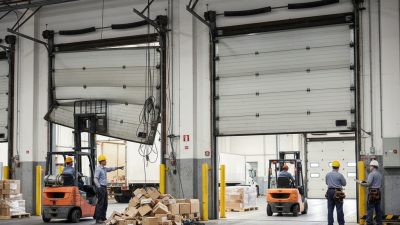
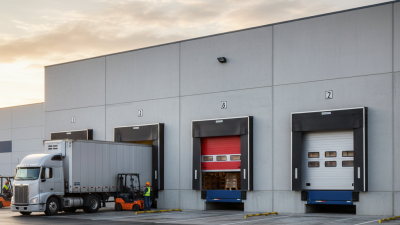
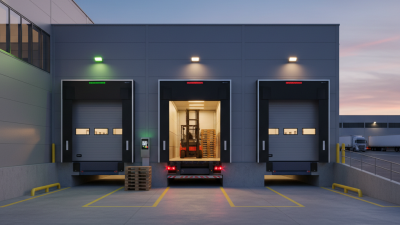
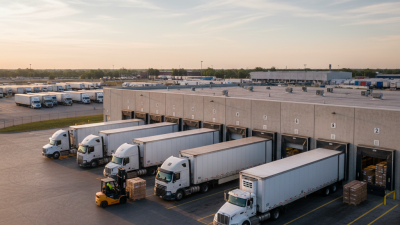
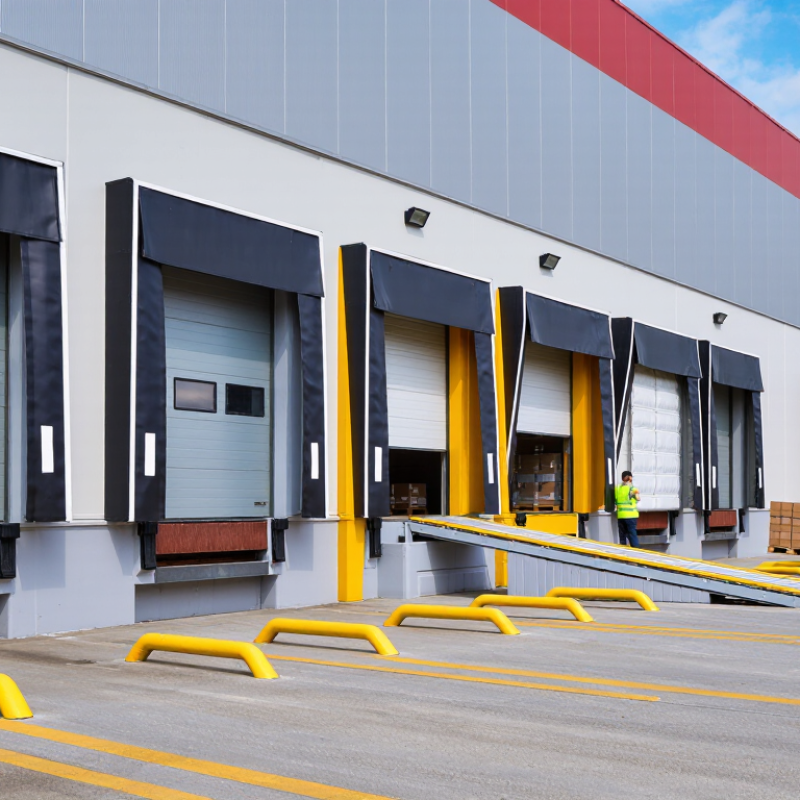
A dock door is part of a working system, not just an opening in a wall. It coordinates with the leveler, vehicle restraint, dock seal, and warehouse traffic. Together, these components help crews move pallets between trailers and the building while limiting weather exposure. The right door depends on cycle frequency, available headroom, climate, and impact risk.
The U.S. Census Bureau reported that U.S. e-commerce sales reached $1.1926 trillion in 2024, up 8.1% from 2023. That growth can intensify pressure on receiving and shipping schedules, though volume varies by facility. Sectional doors suit many general-purpose docks, offering insulation and a familiar repair profile. Rolling steel doors can work well where space above the opening is tight. High-speed fabric doors support frequent cycles, but need suitable protection from forklift impacts.
Small gaps matter. A damaged bottom seal can admit wind and rain, while a slow or poorly matched door can interrupt trailer turnover. OSHA’s warehousing guidance treats loading docks as areas needing attention to falls and vehicle movement. Door selection should therefore account for sightlines, clear floor space, maintenance access, and how operators actually approach each bay. A faster door is not automatically the better choice; installation conditions and staff habits can undermine its advantages. U.S. Census Bureau, Quarterly Retail E-Commerce Sales, Fourth Quarter 2024; OSHA, Warehousing eTool.
Key Factors for Selecting a Dock Door in 2026
A dock door decision in 2026 should start with the building’s actual workflow, not a product trend. Record how many times each opening cycles per shift, what vehicles use it, and how quickly trucks arrive. Measure the clear opening and note obstructions such as lights, pipes, or uneven floors. Small details matter.
Climate and energy goals also shape the choice. In a temperature-controlled space, an insulated sectional door or a fast-moving fabric door may help limit air exchange. In a busy distribution area, cycle speed and resistance to frequent use may matter more than insulation alone. A site walk during a normal shift can reveal drafts, queues, and door damage that plans miss. It may feel like extra work, but guessing is often costlier.
Safety, maintenance, and fit with existing equipment deserve equal attention. Check sightlines, vehicle clearance, emergency access, and how the door interacts with dock levelers and restraints. Ask maintenance staff how easy it is to reach moving parts and replace common components. Compare expected service needs, not just the purchase price. One awkward truth: the fastest door is not automatically the best choice if the opening is poorly matched to traffic or the repair plan is unclear.
How Dock Door Types Compare Across Different Facilities
The best dock door depends on how a facility works, not just its building plans. A busy parcel hub may open doors hundreds of times each shift, while a small warehouse may prioritize insulation and straightforward repairs. Count truck arrivals, check headroom, and note whether forklifts pass through continuously. These details often matter more than the door’s appearance.
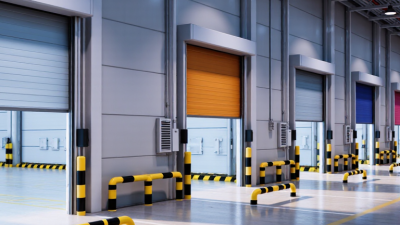
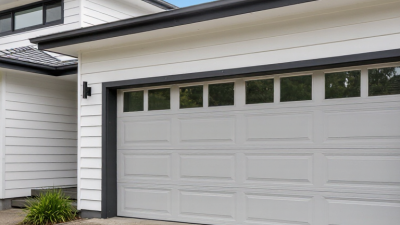
Sectional overhead doors suit many distribution and manufacturing sites. Insulated panels can help limit heat transfer, and window options bring daylight to loading areas. They need overhead track clearance, though, which can conflict with lights or equipment.
Rolling steel doors use less ceiling space and can handle demanding service, but insulation and operating noise vary by construction. Check the specifications, not just the label.
High-speed fabric doors can separate busy interior zones, such as production rooms and staging areas, with less waiting between passes. They are not automatically the right exterior barrier in harsh weather.
Cold-storage facilities usually need a stronger focus on thermal performance, perimeter seals, and compatible dock equipment. There is no perfect door. A useful comparison weighs cycle frequency, climate, security needs, repair access, and the cost of downtime.
Even careful planning can miss one awkward clearance. Door specifications should be reviewed against actual site conditions before selection.
Matching Dock Door Types to Operational Needs
What Are the Best Dock Door Types in 2026?
Matching Dock Door Types to Operational Needs
The best dock door depends on what moves through it, how often, and under which conditions. Sectional doors offer insulation and a tight seal, making them practical for temperature-controlled spaces. High-speed fabric doors suit busy interior openings where quick cycles help keep workflows moving. They are not a universal fix: repeated impacts or poor maintenance can shorten service life. For exposed docks, pair the door with suitable seals and shelters to limit drafts and rain.
Traffic and safety matter as much as speed. The U.S. Bureau of Labor Statistics recorded 1,942 fatal work injuries involving transportation incidents in 2023, across all industries. That figure does not measure dock-door risk, but it reinforces the value of clear sightlines, controlled vehicle movement, and maintained safety devices. A door should not obstruct operators’ view of trailers or pedestrian routes.
Energy and automation goals also shape the choice. MHI’s 2024 Annual Industry Report found that 55% of surveyed supply-chain professionals planned to increase technology investment. That is a useful signal, not a reason to automate every opening. Match cycle speed to actual traffic, then check controls, power, and service capacity. A quieter, slower door may be the better choice at a low-use opening. I would still verify those assumptions with a site traffic count.