NJ & NYC Commercial & Residential Garage Door
Choosing the right overhead sectional door affects traffic flow, energy use, safety, and long-term maintenance. The U.S. Energy Information Administration’s 2018 Commercial Buildings Energy Consumption Survey shows that warehouses and storage facilities remain major users of commercial floor space. These buildings often face repeated loading cycles, temperature changes, and limited clearance. A door must fit the building, not merely fill its opening.
Industry guidance from the Door and Access Systems Manufacturers Association, including ANSI/DASMA standards, emphasizes proper door sizing, spring selection, operator compatibility, and safety testing. ASHRAE Standard 90.1 also highlights the importance of controlling building-envelope heat transfer. Insulated sectional doors can support this goal, especially around heated warehouses, cold rooms, and busy service bays. They are not magic solutions.
The top types include standard-lift, high-lift, vertical-lift, and low-headroom sectional doors. Each design follows a different track path above the opening. A high-lift model may preserve floor clearance beneath a ceiling-mounted crane. A vertical-lift door can leave the entire doorway open, but it requires substantial overhead structure. Low-headroom hardware solves tight spaces, although it may increase mechanical complexity. Product testing reports, manufacturer specifications, and professional installation records should guide the final decision. Field conditions often expose weaknesses that brochures hide. The best choice balances cycle frequency, insulation value, wind exposure, available headroom, and maintenance access.
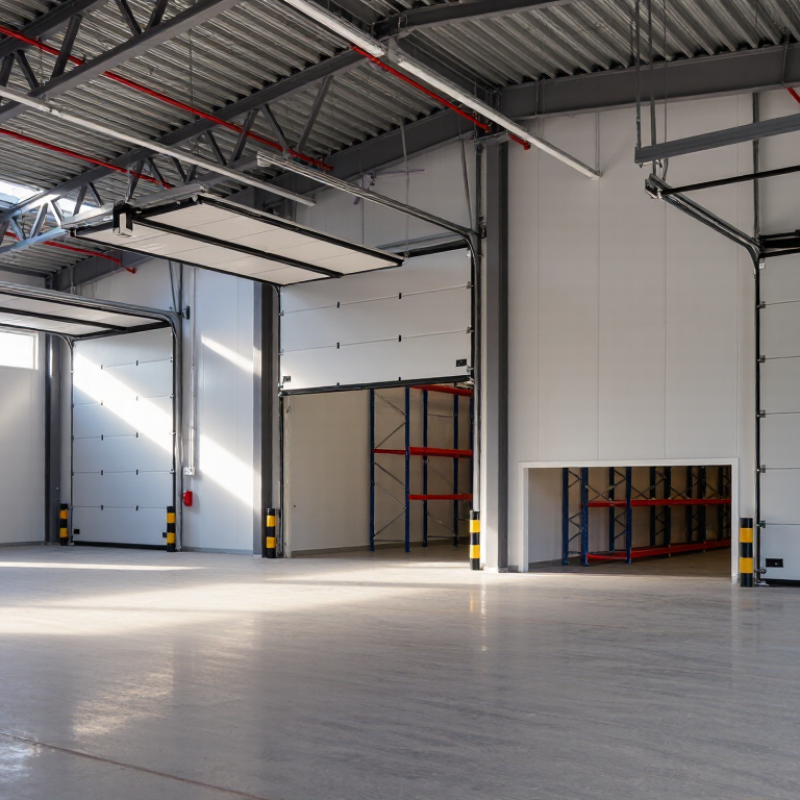
Overhead sectional doors are classified by construction, operation, and intended environment. The most common group is the insulated door, which uses foam-filled panels to reduce heat transfer and outside noise. Non-insulated doors usually have lighter panels and suit garages, storage areas, or mild climates. The difference is noticeable on a cold morning when a metal surface feels like ice.
Panel material creates another useful classification. Steel panels offer strength and consistent sizing. Aluminum panels resist corrosion and can provide a cleaner appearance. Full-view doors use transparent sections, often acrylic or glass, to increase daylight and visibility. These doors need careful cleaning because fingerprints and dust show quickly.
The lifting method also matters. Standard-lift doors need normal headroom above the opening. High-lift versions travel vertically before moving along the ceiling, making them useful in workshops with tall equipment. Vertical-lift doors rise straight upward and suit buildings with limited roof space. The categories can overlap. An insulated steel door may also be high-lift and full-view. In practical surveys, I check ceiling clearance, panel condition, spring balance, and daily traffic before selecting a type. A door that looks suitable may still operate poorly if the tracks are misaligned. That detail is easy to miss. Classification helps narrow the choice, but site measurements remain essential.
Steel overhead sectional doors are a dependable option when strength and security matter. They combine joined steel panels with vertical lifting, saving valuable wall and floor space. Galvanized steel helps resist dents, moisture, and daily contact from forklifts. That matters in busy loading areas. Insulated panels can also stabilize indoor temperatures and reduce outside noise. However, steel is not perfect. Thicker construction may increase weight, hardware wear, and installation demands.
Security comes from the complete door system, not the panels alone. Reinforced hinges, strong tracks, protected rollers, and a reliable locking device work together. An enclosed opener can limit access to lifting mechanisms. Bottom seals close uneven gaps where dust, light, or pests may enter. Visible damage deserves attention. A bent panel can strain rollers and create noisy, uneven movement. During a professional inspection, technicians should check panel alignment, cable tension, fasteners, and safety reversal. These details are easy to overlook.
Tips: Measure the opening carefully before selecting the door size. Choose panel thickness according to traffic, climate, and security needs. Ask a qualified installer about local wind loads and structural support. Schedule lubrication and hardware checks at regular intervals. Test the automatic reversal feature with a suitable object, not your hands. Do not treat a strong door as maintenance-free. That assumption causes expensive problems.
Insulated sectional doors help stabilize indoor temperatures in warehouses, workshops, and loading areas. Their hinged panels open vertically, saving valuable floor space near the doorway. Foam-filled cores reduce heat transfer through the door surface. Reliable perimeter seals matter just as much. A small gap can let cold air, dust, and moisture enter.
In practical inspections, I look beyond the advertised insulation rating. I check panel joints, bottom seals, hinges, and the frame around the opening. Damaged weatherstripping often creates a noticeable draft near ankle height. Thermal breaks can also reduce heat movement through metal components. For refrigerated rooms, tight seals and quick operating cycles may protect temperature-sensitive goods more effectively than thicker panels alone. A slow door wastes conditioned air.
Insulation is not magic. Poor installation can weaken its benefits. Condensation may still appear when humid air meets a cold surface, especially around unsealed edges. Door traffic also changes performance; frequent openings can overwhelm any insulation system. Regular inspections should include seal compression, panel alignment, closing speed, and visible moisture. I would also compare indoor temperature readings at different points, not just beside the thermostat. That detail is easy to miss. A well-chosen insulated sectional door supports temperature control, but the entire opening system must work together.
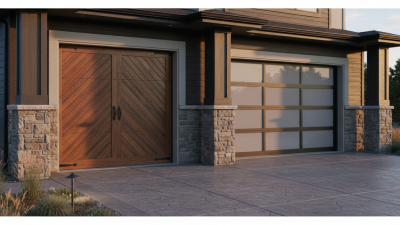
Aluminum and glass sectional doors suit showrooms, studios, restaurants, and contemporary homes. Their clean frames create wide openings without heavy visual lines. Natural light enters deeply, making compact interiors feel more spacious. The door also folds upward, preserving valuable floor and driveway space.
Light matters.
Frame selection affects both appearance and performance. Thermally broken aluminum reduces heat transfer through the frame. Double-glazed glass can improve insulation and indoor comfort. Tempered glass offers safer breakage behavior, while laminated glass helps reduce noise and holds together after impact. Specify the right option for the building’s climate and use.
Professional measurement should include opening width, headroom, side clearance, and floor level. Uneven floors can leave visible gaps beneath the bottom section. Weather seals help, but they cannot correct poor installation. Field inspections often reveal another issue: attractive glass may increase glare and cleaning work. A shaded coating or carefully selected finish can help. Still, clear glass is not ideal for every space.
Reliable operation depends on balanced springs, protected rollers, strong hinges, and properly adjusted safety sensors. Maintenance should include checking seals, cleaning tracks, and inspecting fasteners for corrosion. In coastal areas, aluminum may need more frequent care. The design may look effortless, but small hardware choices decide daily comfort and service life.
What Are the Top Types of Overhead Sectional Doors?
Specialty sectional doors serve demanding commercial and industrial environments. Insulated steel sectional doors suit warehouses, loading bays, and service buildings. Their layered panels reduce heat transfer and soften outside noise. The U.S. Energy Information Administration’s Commercial Buildings Energy Consumption Survey reports that space heating represents about 32% of commercial building energy use. That figure makes panel insulation more than a comfort feature.
High-cycle doors fit distribution centers with frequent forklift traffic. Reinforced hinges, replaceable rollers, and stronger springs support repeated movement. Full-vision sectional doors use transparent panels for showrooms, maintenance areas, and interior partitions. Operators gain daylight and clearer sightlines. Better visibility can reduce awkward vehicle movements. Small detail, big consequence.
Cold-storage facilities need doors with tight seals and reliable thermal breaks. Fire-rated sectional doors may serve selected compartments, but their ratings require tested assemblies and correct installation. DASMA technical guidance stresses matching door construction with operating conditions, cycle frequency, wind exposure, and maintenance practices. Grand View Research identifies logistics and manufacturing as major growth areas for industrial door demand. Yet market reports often simplify site conditions. A door that performs well in a clean warehouse may struggle near salt air, abrasive dust, or constant washdown. Facility managers should record opening cycles, temperature differences, impact events, and service history before choosing a specialty sectional door. Guesswork remains expensive.