Top 10 Overhead Door Options for Global Buyers in 2026?
As we move towards 2026, the overhead door industry is poised for significant advancements. Buyers across the globe seek solutions that blend efficiency, aesthetics, and durability. With a vast array of options available, understanding the top choices in overhead doors becomes essential.
The overhead door serves both practical and structural functions. Selecting the right type can enhance security and improve energy efficiency. Considerations include materials, insulation, and automation features. Global buyers must also reflect on local climates and architectural styles, which influence the best choices.
The diversity in design can be overwhelming. Not all options fit every context. It’s crucial to evaluate specific needs and priorities. Finding the perfect overhead door isn't solely about trends; it's about functionality and long-term satisfaction. The right choice can redefine a space while delivering value over the years.
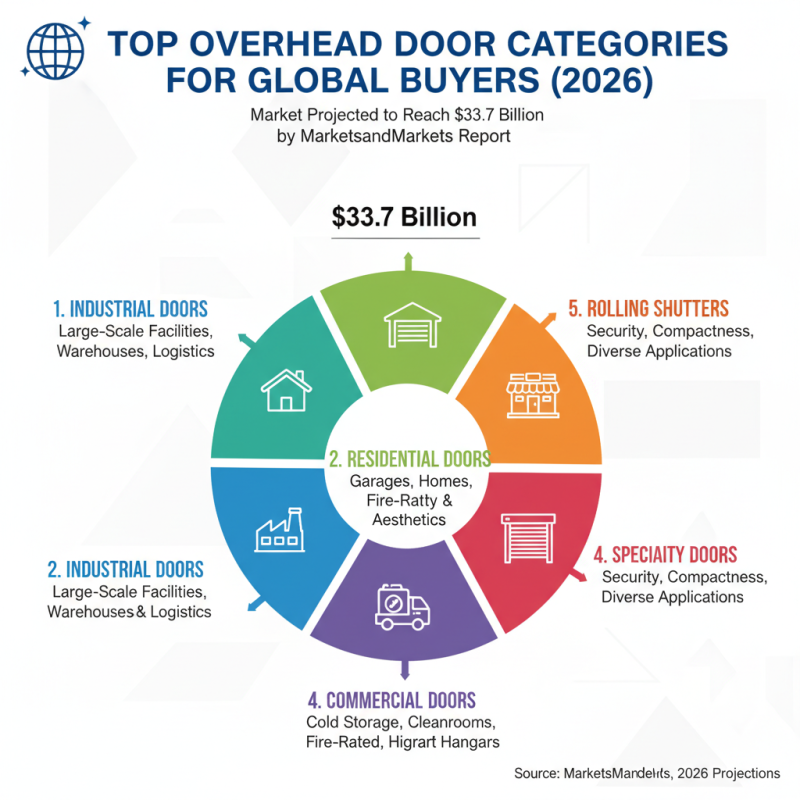
Top Overhead Door Categories for Global Buyers in 2026
In 2026, the demand for overhead doors is expected to escalate. A report from MarketsandMarkets predicts that the market will reach $33.7 billion. Various categories dominate this landscape, each serving specific needs.
Steel doors remain a top choice for their durability and security. They are commonly used in commercial sectors, presenting a robust option for businesses. Additionally, insulated overhead doors are gaining traction, offering energy efficiency and noise reduction. This category appeals to industries aiming to lower operational costs while enhancing comfort.
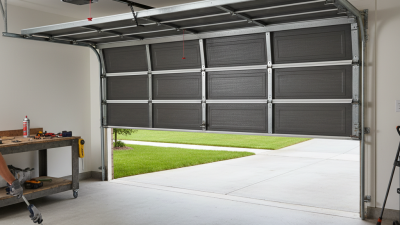
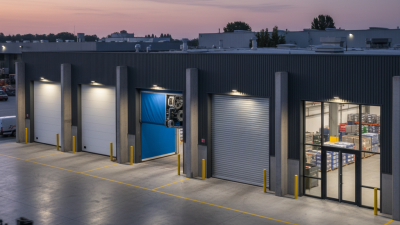
Rolling doors and sectional doors also feature prominently. Rolling doors are popular in warehouses and industrial areas, thanks to their space-saving design. On the other hand, sectional doors provide versatility for residential garages. However, buyers must consider potential maintenance challenges and lifecycle costs associated with these options. Choosing the right type requires a balance between functionality and long-term investment.
Key Innovations in Overhead Door Technology for 2026
As we approach 2026, the overhead door industry is poised for remarkable advancements. Energy efficiency takes center stage, as manufacturers emphasize using renewable materials. Insulated doors are becoming prevalent, enhancing energy savings. These innovations meet strict sustainability goals and are expected to become industry standards.
Smart technology is another focal point. Many overhead doors will integrate with home automation systems. Remote access and monitoring features are being developed. This enhances security and convenience for homeowners. However, the challenge remains in making these systems user-friendly and reliable. The complexity can deter some users, leading to frustration.
Finally, safety mechanisms are evolving. Improved sensors and automatic reversal systems are now commonplace. These innovations aim to reduce accidents and injuries. While the technology is promising, reliability is a crucial concern. Continuous testing and feedback will be essential in achieving optimal safety standards.
Top 10 Overhead Door Options for Global Buyers in 2026
| Option |
Material |
Insulation Rating (R-value) |
Security Features |
Smart Technology Integration |
Estimated Price Range |
| Sectional Garage Door |
Steel |
14 |
Multi-point locking |
Yes |
$800 - $1500 |
| Roll-Up Door |
Aluminum |
12 |
Reinforced locks |
Yes |
$1500 - $2500 |
| Tilt-Up Door |
Wood |
8 |
High-grade bolt locks |
No |
$1200 - $2000 |
| Fire-Rated Door |
Steel |
20 |
Fire-resistant locking |
No |
$2000 - $3500 |
| Glass Garage Door |
Tempered glass |
5 |
Integrated sensors |
Yes |
$3000 - $5000 |
| Insulated Sectional Door |
Vinyl |
16 |
Key-code access |
Yes |
$1800 - $3000 |
| Smart Overhead Door |
Composite |
10 |
Remote monitoring |
Yes |
$2500 - $4000 |
| Bi-Fold Door |
Aluminum |
9 |
High-security locks |
No |
$2000 - $3500 |
| Accordion Door |
Steel |
7 |
Integrated locking |
No |
$1500 - $2500 |
| Heavy-Duty Commercial Door |
Fiberglass |
15 |
Enhanced locking system |
Yes |
$4000 - $6000 |
Sustainability Trends in Overhead Door Manufacturing
Sustainability is shaping the future of overhead door manufacturing. More companies are focusing on eco-friendly materials. Recycled steel, for instance, is becoming standard. This reduces waste and conserves resources. Some manufacturers are experimenting with bioplastics. These materials have a lesser environmental impact.
Energy efficiency is also essential. Many doors are now designed with insulation features. These keep buildings warm in winter and cool in summer. This results in lower energy consumption. Additionally, solar-powered options are emerging. This innovation harnesses renewable energy, reducing reliance on nonrenewable sources.
While these trends are promising, challenges remain. Not all consumers prioritize sustainability. Some may choose based on cost over eco-friendliness. Moreover, the initial investment for sustainable options can be higher. Buyers need to weigh long-term benefits against upfront costs. Balancing sustainability with affordability is not simple. It requires a shift in mindset. Encouraging awareness about environmental impacts is crucial for wider acceptance.
Top 10 Overhead Door Options for Global Buyers in 2026
Regional Preferences: Overhead Doors in Different Markets
The global market for overhead doors is evolving rapidly. Different regions are driving varied preferences. For example, North America continues to favor sectional doors due to their durability and insulation. According to a report from Research and Markets, the North American overhead door market is projected to grow by 5.2% annually between 2024 and 2026.
In Asia-Pacific, rolling steel doors are becoming popular. They're valued for their space efficiency and security features. Markets in China and India are shifting towards automated systems. This is partly due to urbanization and a growing middle class. However, challenges remain in terms of affordability and accessibility.
Europe is witnessing a rise in demand for eco-friendly options, with a focus on sustainable materials. This trend reflects a growing awareness of environmental impacts. Reports indicate that the European market for green overhead doors will rise by over 6% by 2026. Despite these positive trends, some regions still rely on outdated systems. Observers note that companies must adapt quickly to stay competitive. The balance between innovation and traditional preferences will be crucial in the coming years.
Cost Considerations for Global Buyers of Overhead Doors
In recent years, the demand for overhead doors has surged globally. As buyers prepare for 2026, understanding cost factors is crucial. A report from Grand View Research indicates that the overhead door market is projected to grow at a CAGR of 4.8%, reaching $45 billion by 2026. This growth reflects evolving technologies and rising construction activities.
Pricing variability across different regions must be considered. For instance, installation costs can range from $700 to $5,000, depending on the door type and location. Buyers should also examine material costs. Steel doors are often more affordable than wood or fiberglass options. However, the latter can provide better insulation but at higher upfront costs. It's essential to balance these factors against long-term savings from energy efficiency.
Buyers should not overlook maintenance and repair costs. Regular inspections can prevent costly repairs later. A Deloitte report suggests that over 30% of these costs arise from improper installation. Therefore, investing in quality installation can lead to significant savings. Exploring local suppliers for competitive pricing and better service can also mitigate overall costs. Understanding these dynamics equips buyers with the tools to make informed decisions in the evolving overhead door market.