Top 5 Standard Garage Door Options You Should Consider?
When choosing a standard garage door, many options can be overwhelming. The right choice impacts not just aesthetics, but also security and energy efficiency. A standard garage door serves as a crucial barrier between your home and the outside world. It’s vital to select a door that meets your needs.
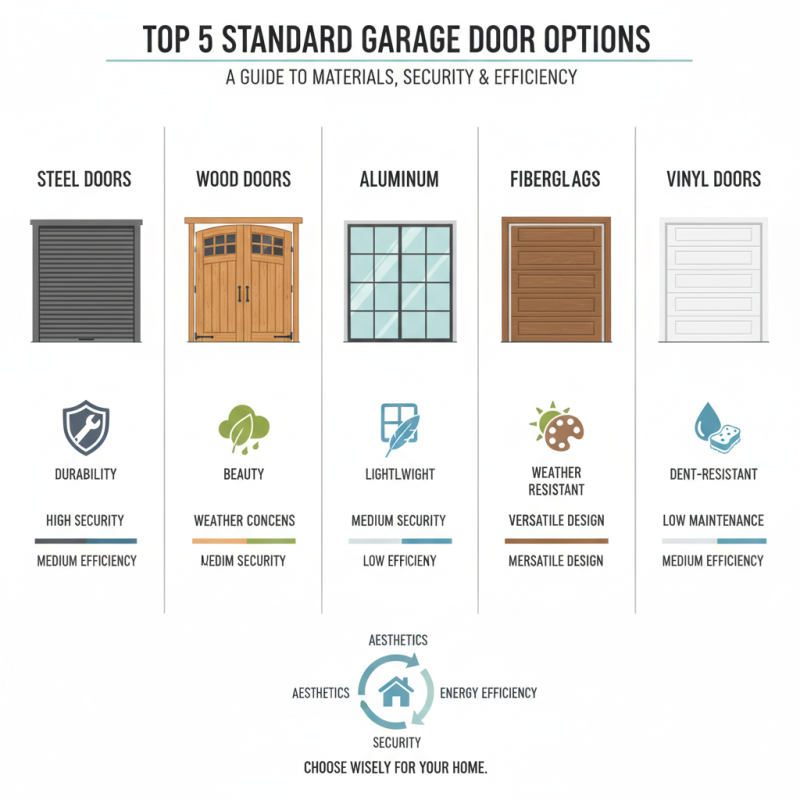
There are various materials to consider. Each has its pros and cons. For example, steel doors offer durability but may require some maintenance. On the other hand, wood doors can provide beauty but may suffer from weather damage. Reflecting on these factors is essential when making a decision.
Choosing a standard garage door can feel daunting, but understanding available options simplifies the process. Your choice should reflect both style and practicality. It's about balancing personal taste with functionality. A well-chosen garage door enhances curb appeal, boosts security, and can even impact your home’s resale value.
Types of Standard Garage Doors: An Overview
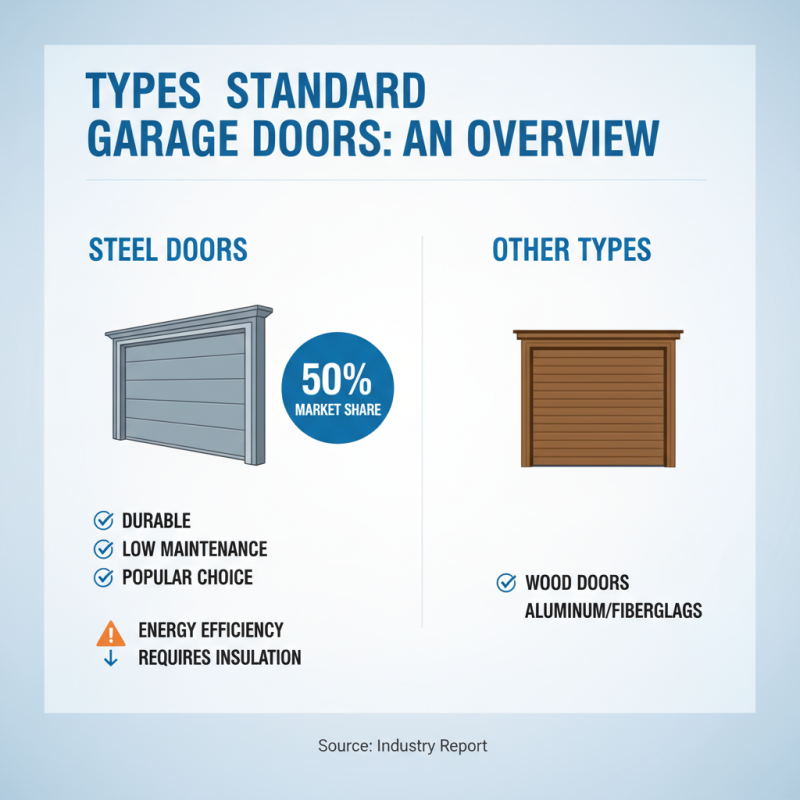
When considering standard garage doors, understanding the various types is crucial. Steel doors are the most popular choice, making up about 50% of the market. They are durable and often require less maintenance compared to wood doors. However, their energy efficiency may fall short without proper insulation.
Fiberglass doors are another option, known for their resistance to dents and rust. They account for roughly 20% of sales. These doors mimic the look of wood but are lighter and more affordable. However, they can be prone to fading in direct sunlight, which might require periodic touch-ups.
Wood doors provide a classic aesthetic and can be customized easily. But they require ongoing maintenance to prevent warping and damage from the elements. The industry has seen a shift, with over 15% of homeowners opting for vinyl doors due to their resilience and low upkeep. Despite these choices, many buyers often overlook insulation, which can impact energy bills significantly. It's important to weigh all options carefully.
Factors to Consider When Choosing a Garage Door
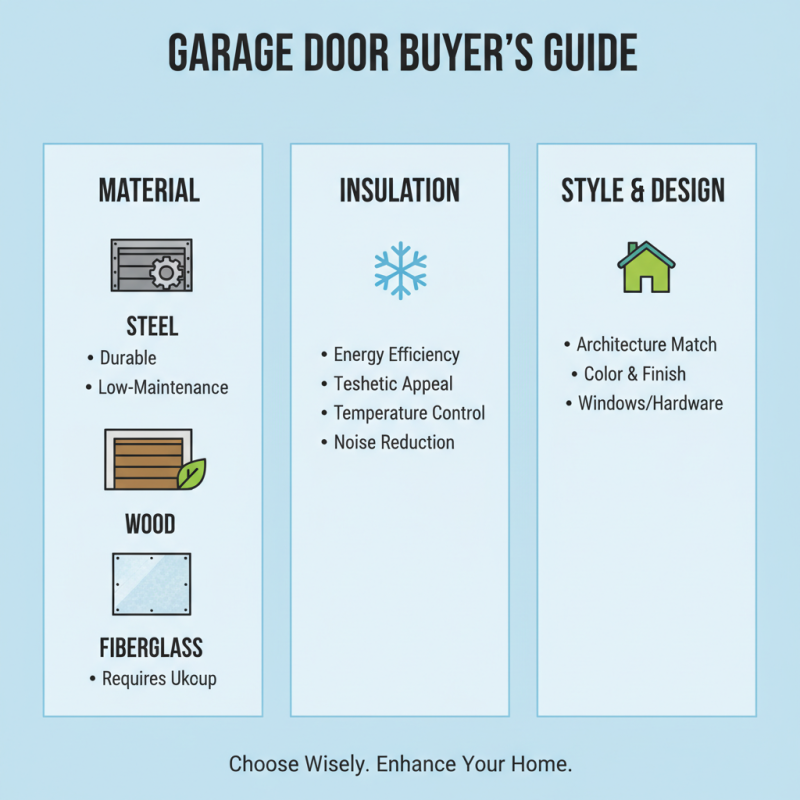
Choosing the right garage door involves several important factors. One key aspect is material. Steel, wood, and fiberglass each offer unique benefits. Steel is durable and low-maintenance. Wood provides aesthetic appeal but requires regular upkeep. Fiberglass resists dents and is lightweight, making it easier to operate.
Another factor is insulation. An insulated garage door improves energy efficiency. It keeps the garage cooler in summer and warmer in winter. This can lead to savings on utility bills. Additionally, consider security features. Strong locks and advanced technology can protect your home from intruders.
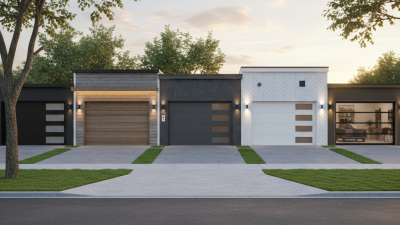
Finally, style is significant. Your garage door should complement your home's architecture. Whether you prefer a modern look or a classic design, there are options available. Reflecting on these factors will ensure you make an informed decision.
Comparing Material Options for Garage Doors
When considering garage door materials, homeowners face various choices.
Steel is a popular option due to its durability and low maintenance needs.
It resists dents and weather damage, making it suitable for many climates. However, it can be prone to rust if not properly treated.
Wood presents another compelling choice. Its aesthetic appeal adds warmth and charm to any home. Custom designs can enhance curb appeal. Yet, wood requires ongoing maintenance, such as staining and sealing. Neglecting these tasks can lead to deterioration over time.
Composite materials offer a blend of advantages. They mimic the look of wood but resist rotting and warping. However, some composites can be more expensive upfront. Understanding these trade-offs is crucial before making a decision. Each material has its strengths and weaknesses, making careful consideration necessary.
Installation and Maintenance Tips for Garage Doors
When considering garage door installation, attention to detail can make a significant difference. Reports indicate that nearly 70% of homeowners experience issues with installation due to improper measurements.
Accurate dimensions are crucial. A door that fits poorly may lead to drafts and damage over time. Ensuring that your door is installed according to industry standards can extend its lifespan by up to 30%.
Regular maintenance is equally important. Industry data shows that a well-maintained garage door can last between 15 to 30 years. Basic tasks include lubricating moving parts and checking for wear. Surprisingly, 40% of homeowners neglect these simple checks. A squeaky door may signal more extensive issues, such as misalignment. Many miss these signs until significant repairs are needed.
Be aware that weather can also affect your garage door's performance. In regions with harsh winters, the components can freeze or become brittle. Experts recommend inspecting your door before the cold months arrive. Investing in preventive maintenance can save you from costly repairs in the long run. Too often, homeowners fail to prepare, resulting in unexpected malfunctions.
Cost Analysis of Different Garage Door Types
Garage doors come in different types, each with its unique cost implications. According to the Door & Access Systems Manufacturers Association (DASMA), the average cost of a standard garage door ranges from
$600 to $2,500. Factors such as material, insulation, and design play significant roles in the final price.
Steel doors, for instance, often cost between
$700 and $1,500 and offer durability. However, they can be susceptible to dents.
Vinyl and aluminum doors are popular choices due to their low maintenance. A vinyl door may cost around
$800 to $1,200, while aluminum can range from
$900 to $2,000. The lightweight nature of aluminum provides ease of use, yet it may lack insulation.
Wood doors, known for their aesthetics, can be quite expensive, ranging from
$1,200 to $3,000. They require regular maintenance and may warp over time, presenting a challenge for homeowners.
Investing in insulated doors can save on energy costs. Reports indicate that insulated garage doors can reduce energy bills by
up to 20%. This investment, typically starting at
$1,000, often translates to long-term savings. As you weigh your options, consider both the initial costs and potential energy savings.
It's crucial to assess your long-term needs and preferences carefully.