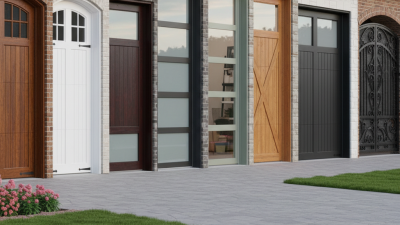
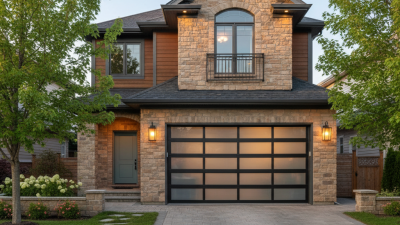
Essential Tips for Choosing a Garage Door for Your Home?
Choosing the right garage door for your home is crucial. A garage door is more than just a functional item; it impacts your home’s curb appeal and security. With many options available, making the right choice can be overwhelming.
Understanding your needs is essential. Do you prioritize aesthetics, durability, or insulation? Each factor plays a significant role. For example, a door made of steel may offer better security, while a wooden door enhances visual appeal.
Consider local climate as well. Some materials perform better in extreme weather. Also, think about your budget. A high-end garage door might look great, but it needs to fit your financial plan. Reflecting on these aspects will help you make a more informed choice.
Understanding Different Types of Garage Doors Available in the Market
When it comes to selecting a garage door, understanding the variety of options available is crucial. There are several types, each offering unique features. According to industry reports, the most common types include sectional, roll-up, swing-out, and side-sliding doors. Sectional doors are favored for their durability and insulating properties. Roll-up doors are often chosen for limited spaces. They are practical and efficient.
Consider your home's architecture when choosing a door. For instance, traditional homes may suit swing-out doors, while modern designs often pair well with sectional styles. An aesthetic fit can elevate your home’s curb appeal. Energy efficiency is another vital factor. Insulated doors can save homeowners up to 20% on energy costs, as highlighted in a recent study.
Tip: Always measure your garage opening before purchasing. This ensures the door will fit properly. It's also wise to check local building codes, as they can dictate requirements. Don't overlook safety features, like auto-reverse systems, which are essential for preventing accidents. Choosing the right garage door combines functionality with design, so take your time and weigh your options carefully.
Factors to Consider for Garage Door Material Selection
When selecting a garage door, the choice of material is crucial. Different materials offer unique advantages and disadvantages that can impact durability, maintenance, and energy efficiency. According to the International Door Association, nearly 70% of all garage doors are made from steel, which is known for its strength and security. Steel doors often come with insulation options, improving energy efficiency, especially in extreme climates.
Wooden doors present a different appeal, providing aesthetic charm and natural insulation. However, they require frequent maintenance to prevent warping and rot. The U.S. Department of Energy suggests that wooden garage doors may not be as energy-efficient as their steel counterparts. Additionally, the initial cost of wood is generally higher, with prices ranging broadly based on quality and finish.
Vinyl garage doors are an emerging trend known for their resilience and low maintenance requirements. They are resistant to rust, dents, and peeling. However, some might find them less visually appealing compared to wood or steel options. Current industry reports indicate that while vinyl doors constitute only around 10% of the market, their popularity is rising due to homeowners’ desire for durable and low-maintenance solutions. Consider the climate, style, and budget carefully when choosing a garage door material. Each option has its trade-offs that can significantly influence your decision.
Essential Tips for Choosing a Garage Door for Your Home
This chart illustrates the popularity of various garage door materials among homeowners. Understanding these trends can help you make an informed decision when selecting the best garage door for your home.
Evaluating Garage Door Insulation and Energy Efficiency
When selecting a garage door, insulation and energy efficiency are crucial factors to consider. An insulated garage door maintains a stable temperature inside. This is especially important if the garage is part of your home’s climate control system. An insulated door can save on heating and cooling costs. It also reduces noise levels from outside. Cold winters and hot summers can significantly affect your energy bills.
Evaluate the material used for insulation. Common options include polystyrene and polyurethane. Polyurethane typically offers better insulation but may come at a higher cost. Check the door's R-value, which indicates its thermal resistance. A higher R-value means better insulation properties. It's essential to find the right balance between energy efficiency and cost.
Additionally, consider the garage's location. A heater or air conditioning unit may benefit an attached garage. For detached garages, minimal insulation may suffice. Look into local climate conditions, as they can influence your choice. Reflect on whether the increase in energy efficiency justifies any increase in budget. Choosing the right garage door requires careful consideration of these features for optimal comfort and efficiency.
Assessing Security Features for Your Garage Door
When selecting a garage door, security features must be a top priority. A robust lock mechanism can deter intruders effectively. Look for options that come with multi-point locking systems, which engage at multiple points along the frame. This extra locking feature increases security and gives peace of mind. A sturdy, quality door also serves as a strong barrier against unauthorized access.
Consider the material of the garage door. Steel doors offer excellent resistance to tampering, while wooden doors can provide aesthetic value but may require more maintenance. An insulated garage door might also be a wise investment. Insulation not only improves energy efficiency but can also minimize risks of break-ins. For added security, choose models that have reinforced bases.
Monitoring options enhance security, too. Garage doors with smart technology allow you to check status remotely. Some models even send alerts when the door is opened unexpectedly. Installing motion-sensor lights outside can deter potential intruders as well. Regularly review and maintain these systems to ensure they function correctly. A well-determined approach to security can significantly enhance your home’s overall safety.
Choosing the Right Style to Match Your Home's Aesthetic
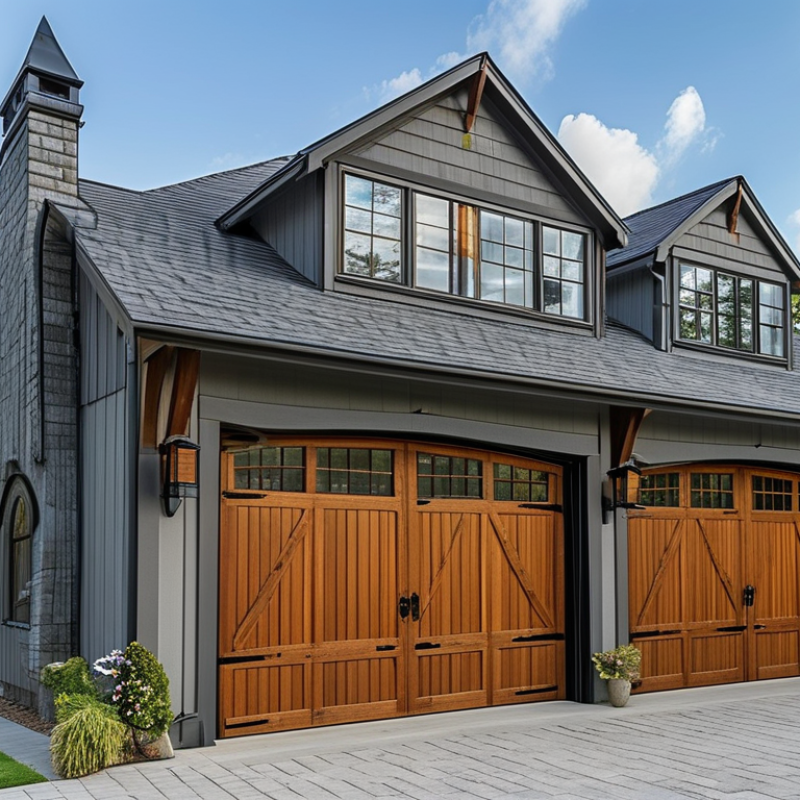
When choosing a garage door, style is crucial. The door should blend seamlessly with your home's design. Consider factors like architecture, color, and materials. A modern home often benefits from sleek, minimalist designs. On the other hand, a traditional house may look best with a classic panel or carriage-style door. Remember, harmony is key; mismatched styles can disrupt visual flow.
Pay attention to color coordination. A garage door in a bold hue can add character. However, it should complement existing shades. Bold colors may not work for all homes. Light neutral tones often provide a more cohesive look. Evaluate how the door’s color reflects sunlight and blends with landscaping.
Textures add depth to your choice. Wood grain finishes can bring warmth, while smooth metals offer a contemporary touch. Think about maintenance. Some materials require more upkeep than others. A well-chosen door enhances curb appeal. Yet, it should also fit your lifestyle. Reflecting on these aspects can guide you in selecting the perfect garage door.
Essential Tips for Choosing a Garage Door for Your Home - Choosing the Right Style to Match Your Home's Aesthetic
| Garage Door Style |
Material |
Insulation |
Color Options |
Maintenance |
Estimated Cost |
| Traditional |
Wood |
High |
Light Brown, Dark Brown |
High; Requires regular staining |
$1,500 - $2,500 |
| Contemporary |
Steel |
Medium |
Gray, Black |
Low; Easy to clean |
$900 - $1,800 |
| Carriage House |
Composite |
High |
White, Cedar |
Medium; Should be painted every few years |
$1,200 - $2,200 |
| Roll-up |
Aluminum |
Low |
Silver, Custom Colors |
Low; Minimal upkeep |
$700 - $1,500 |
| Side-Hinged |
Wood or Steel |
Medium |
Natural Wood, White |
Medium; Needs regular inspections |
$1,000 - $2,000 |