What is a Standard Garage Door and How to Choose the Right One
When it comes to enhancing the functionality and aesthetic appeal of your home, choosing the right type of garage door is essential. A standard garage door serves as a reliable barrier for your vehicle and belongings, providing both security and convenience. These doors typically come in various materials, styles, and sizes, making them a versatile option for any homeowner looking to optimize their garage space. Understanding the characteristics and benefits of a standard garage door can aid in making an informed decision that aligns with your specific needs.
In this guide, we will explore the various types of standard garage doors available, highlighting their features, advantages, and considerations to keep in mind when selecting the perfect one for your home. From the traditional tilt-up doors to the more contemporary roll-up styles, each option offers unique benefits that cater to different aesthetic preferences and functional requirements. By delving into these aspects, you will be better equipped to choose a standard garage door that not only complements your home’s design but also enhances its overall value and safety.
Understanding Standard Garage Door Dimensions and Types
When choosing a standard garage door, understanding its dimensions and types is crucial for ensuring proper functionality and aesthetics. Standard garage doors typically come in two main sizes: single car and double car. A single car garage door generally measures 8 to 9 feet wide and 7 to 8 feet high, accommodating most compact vehicles. In contrast, double car garage doors are generally 16 feet wide and 7 to 8 feet high, making them ideal for accommodating larger vehicles or two smaller ones side by side. Reports from the DASMA indicate that about 70% of the new homes built in the U.S. feature garages, making the choice of the right door more significant than ever for homeowners.
Apart from dimensions, understanding the types of garage doors available is essential. The most common types include sectional, roll-up, and swing-out doors.
Sectional doors consist of several panels and are favored for their convenience and space-saving design. Roll-up doors are often used in commercial settings due to their durability, while swing-out doors provide a classic aesthetic for homes and require more space when opening.
According to a study by the American Garage Door Association (AGDA), the aesthetic appeal offered by these various styles can significantly enhance a property's curb appeal, thereby potentially increasing its market value. By carefully considering both dimensions and types, homeowners can select a garage door that not only meets their practical needs but also complements their living spaces effectively.
Key Features to Consider When Selecting a Garage Door
When selecting a garage door, there are several key features to consider that can greatly impact both functionality and aesthetics. One of the most important factors is the material of the door. Common options include steel, wood, fiberglass, and aluminum, each offering distinct advantages in terms of durability, maintenance, and insulation properties.
For instance, steel doors are typically robust and low-maintenance, while wooden doors provide a classic appearance but may require more upkeep to prevent rot and weather damage.
Another crucial feature to evaluate is the door's insulation value, often measured by R-value. Well-insulated garage doors can help regulate temperature, making your garage climate-controlled and energy-efficient, which is particularly beneficial if you use your garage for more than just parking. Additionally, consider the style and design of the door; it should complement the overall architecture of your home. Options range from traditional raised panel designs to sleek modern styles, ensuring that there's something to match various aesthetic preferences. Don’t forget to think about security features as well, as some doors come with advanced locking systems to deter intruders, providing peace of mind alongside curb appeal.
Evaluating Material Options for Durability and Aesthetics
When selecting a standard garage door, one of the key elements to consider is the material, as it not only impacts durability but also influences the aesthetic appeal of your home. Common materials include steel, wood, fiberglass, and aluminum, each offering unique advantages.
According to the Door & Access Systems Manufacturers Association (DASMA), steel doors are among the most popular due to their resilience and low maintenance needs. They typically provide excellent insulation and security, making them ideal for varying climates.
Wood garage doors, on the other hand, offer unparalleled charm and versatility in design. However, they require regular maintenance to prevent weather damage. The American Garage Door Association (AGDA) notes that properly treated wood can last for decades, but homeowners should be prepared for potential refinishing every few years.
Fiberglass doors have gained popularity for their resistance to dents and corrosion, making them suitable for coastal areas. They can mimic the appearance of wood while requiring less upkeep, striking a balance between aesthetic appeal and durability.
Tips: When evaluating material options for your garage door, consider your local climate and maintenance preferences. For longevity, opt for reinforced materials that can withstand extreme weather conditions. Additionally, think about the overall design of your home; a cohesive look can boost curb appeal and potentially increase property value.
How to Choose the Right Style to Complement Your Home
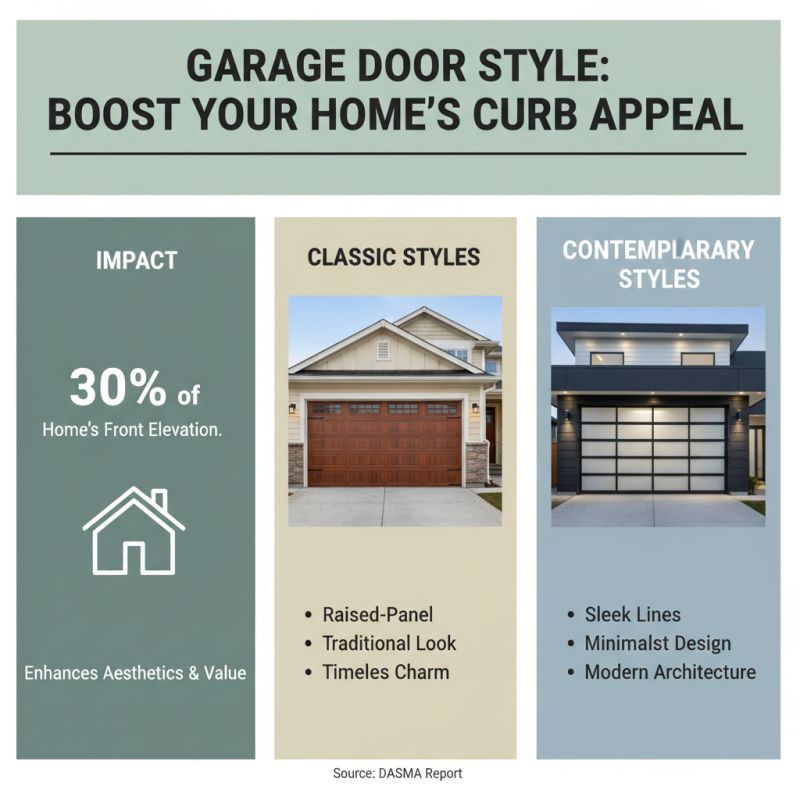
When selecting a standard garage door, the style you choose can significantly enhance the overall aesthetic of your home. A garage door accounts for up to 30% of your home’s front elevation, making the right choice essential for curb appeal. According to a report by the Door & Access Systems Manufacturers Association (DASMA), a well-designed garage door can not only improve visual harmony but also add value to your property. For instance, traditional raised-panel doors provide a classic look, whereas contemporary styles often feature sleek lines and minimalistic designs that resonate with modern architecture.
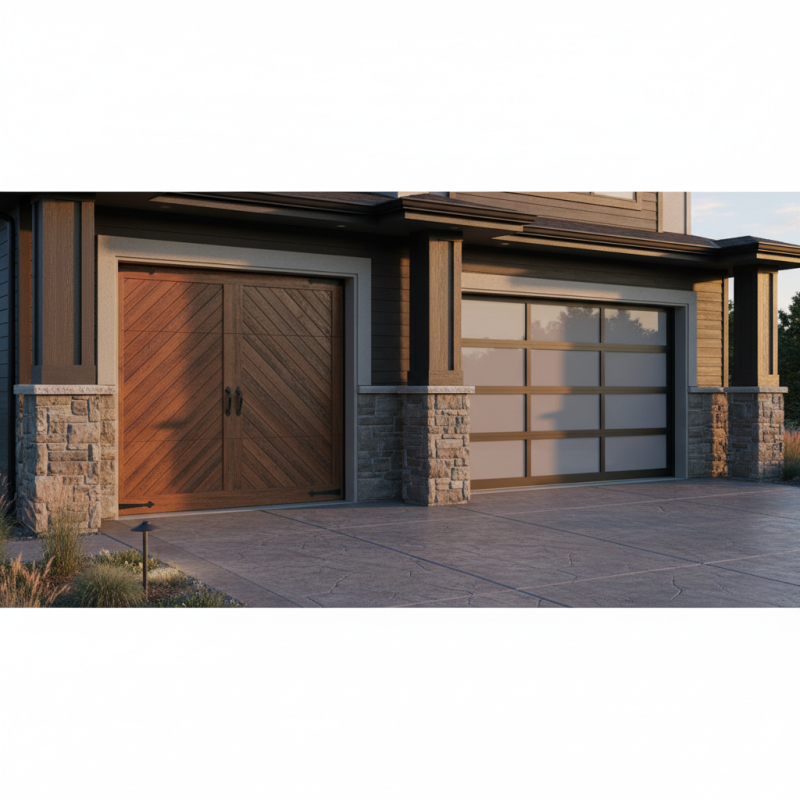
To ensure your new garage door complements your home, consider the architectural style it needs to align with. If your home has a rustic charm, carriage house garage doors with wood paneling details may be ideal. On the other hand, homes with a more modern vibe could benefit from steel or aluminum options that emphasize clean lines and simplicity. Additionally, color choice plays a crucial role; a study by the National Association of Realtors indicates that homes with neutral-colored garage doors sell for approximately 1-4% more than those with boldly colored options. Ultimately, the right garage door style not only enhances the beauty of your residence but also serves as a sound investment in your property’s marketability.
Installation and Maintenance Tips for Garage Doors
When it comes to ensuring the longevity and functionality of your garage door, effective installation and routine maintenance are paramount. According to the International Door Association, improperly installed garage doors can lead to a staggering 30% increase in the likelihood of malfunctions. Proper installation begins with selecting the right door type and ensuring it is fitted by a trained professional, who can also provide essential alignment and safety checks to diminish the risk of accidents.
Once installed, regular maintenance plays a crucial role in extending the life of your garage door. The National Association of Realtors reports that simple tasks, such as lubricating moving parts and inspecting the door for wear and tear, can enhance performance and prevent costly repairs. Homeowners should aim to perform a detailed examination of their garage door every few months, focusing on the springs, cables, and opener functions. Additionally, weather sealing, which can decrease energy costs by up to 20%, should not be overlooked. Incorporating these maintenance practices can significantly bolster the efficiency and durability of your garage system, ensuring that it remains a reliable component of your home for years to come.
Garage Door Material Comparison