What is a Rolling Garage Door and How Does it Work?
A rolling garage door is an innovative solution for modern homes. It combines practicality with style, making it a popular choice among homeowners. According to industry expert John Smith, “A rolling garage door offers convenience and security like no other.” This statement highlights the functionalities that rolling garage doors provide.
These doors operate on a rolling mechanism, allowing them to open and close efficiently. They are often made from durable materials, ensuring reliability over time. Many designs offer insulation, making garages more energy-efficient. However, they can become stuck or misaligned, which requires regular maintenance.
Despite their advantages, some may find installation complex. Homeowners need to consider potential challenges. Understanding how to manage these issues is essential. A rolling garage door can enhance your property, but a thoughtful approach is vital for long-term effectiveness.
What is a Rolling Garage Door?
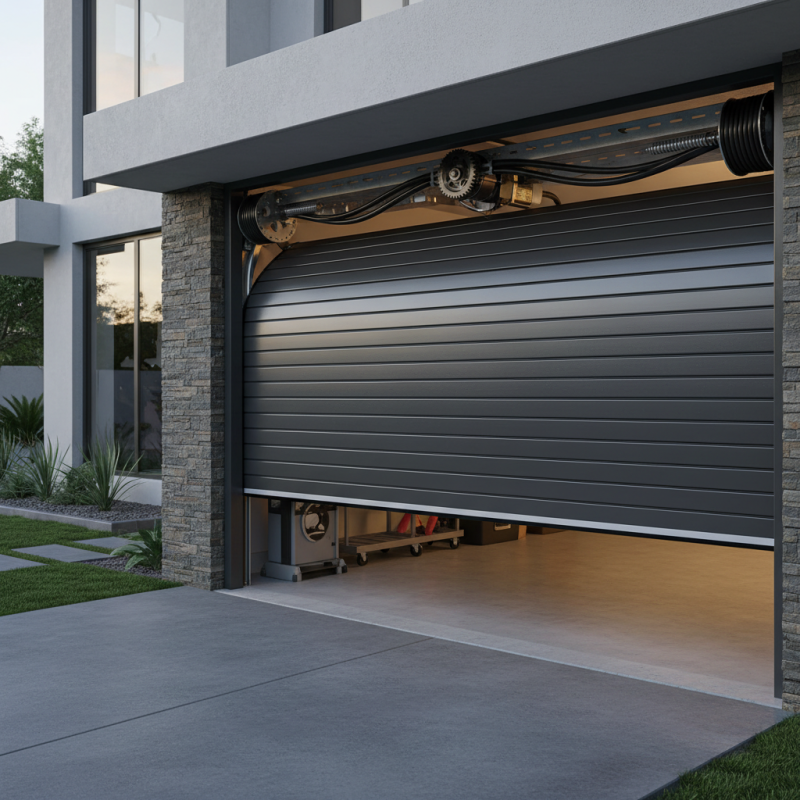
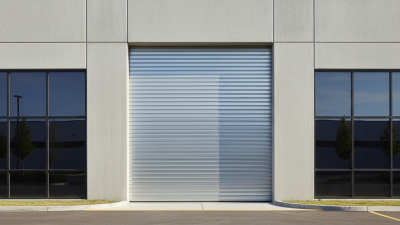
A rolling garage door is a type of door that opens by rolling up or down. It consists of horizontal slats or panels. These panels move along tracks, allowing the door to fit snugly under the ceiling when open. This design is space-efficient, perfect for garages with limited room.
The mechanism is quite simple. When you want to open the door, a motor engages, pulling the door upward. When closing, the process reverses. While this system works effectively most of the time, it can face challenges.
The tracks may become obstructed, or the motor might fail. Regular maintenance helps, but it takes effort.
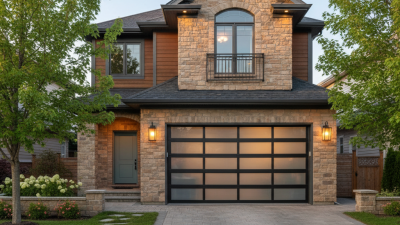
This door type is prevalent in both residential and commercial spaces. It provides security and convenience. However, some users might find it less appealing due to its appearance. Aesthetics matter too.
Choices vary; some feel plain, while others look stylish. Users should consider their specific needs and preferences. Balancing function and design is essential.
The Components of a Rolling Garage Door
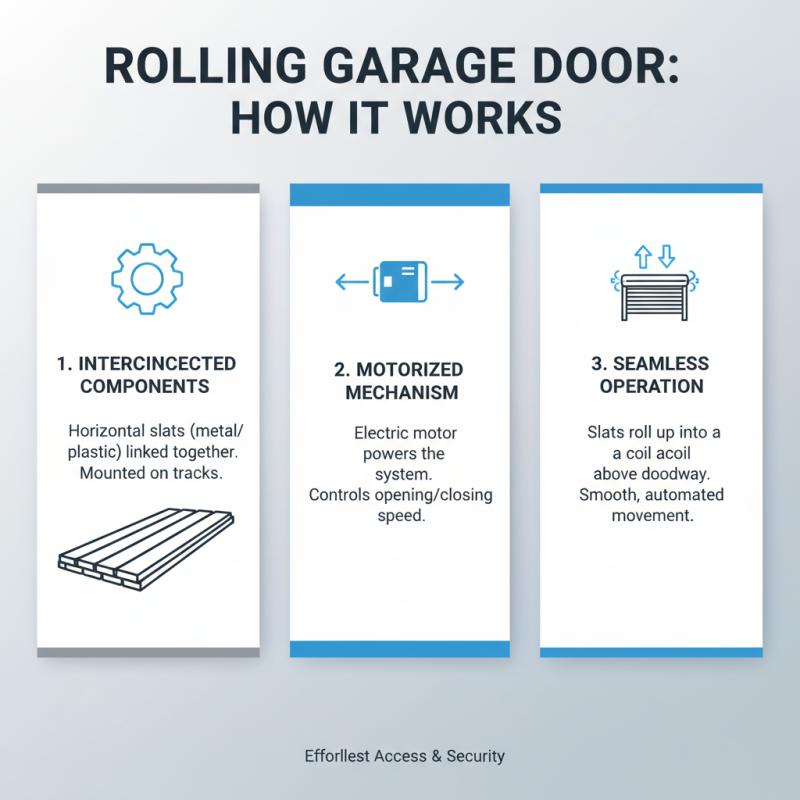
A rolling garage door operates on a system of interconnected components that work together seamlessly. These doors typically consist of a series of horizontal slats made from sturdy materials like metal or heavy-duty plastic. Each slat is mounted on a track, allowing it to roll up and down easily. The door's motor is crucial; it powers the mechanism and controls how swiftly the door opens or closes.
One often overlooked part is the tension spring system. These springs store energy, which helps lift the heavy door smoothly when it opens. Without properly functioning springs, operation can be noisy and erratic. The tracks that guide the door must also be aligned correctly. Misalignment can lead to obstruction and potential damage. Regular maintenance is key, yet many often forget to check this vital aspect.
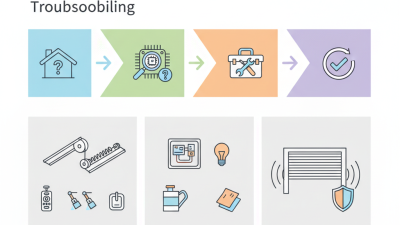
Additionally, the safety features need attention. Photo sensors are designed to prevent accidents when closing. However, they can malfunction or become obstructed, leading to risks. Regular cleaning of the sensors is essential but often neglected. The combination of mechanical parts and electronic components makes rolling garage doors innovative yet complex. Understanding these parts can improve durability and safety.
How a Rolling Garage Door Operates
A rolling garage door is engineered for convenience and efficiency. It consists of horizontal metal slats that roll up and down. The door is housed in a compact area above the garage opening. This design saves space, making it ideal for homes with limited room.
How does it operate? When you press the remote or button, the door initiates movement. A motor pulls the slats upward. The door glides along tracks on both sides. It closes securely, ensuring safety. Regular maintenance is key. Dirt and debris can interrupt smooth operation.
**Tips:** Keep the tracks clean. Dust and grime can cause the door to jam. Inspect the motor regularly for wear. Listen for any unusual sounds. They can signal a bigger issue before it becomes serious.
Proper installation is crucial. If installed incorrectly, it might not function well. Double-check measurements and ensure everything is aligned. Small mistakes in setup lead to future problems. Even with perfect geometry, the door requires occasional adjustments.
What is a Rolling Garage Door and How Does it Work?
| Feature |
Description |
| Type |
Rolling Garage Door |
| Operation Mechanism |
Utilizes a rolling mechanism with a curtain that winds around a drum. |
| Material Options |
Steel, Aluminum, Wood, and PVC. |
| Advantages |
Space-saving, easy to operate, secure, and energy-efficient. |
| Common Uses |
Residential garages, commercial warehouses, and loading docks. |
| Installation |
Requires professional installation for optimal performance and safety. |
| Maintenance Tips |
Regular lubrication, check for debris, and inspect springs and cables. |
Benefits of Using a Rolling Garage Door
Rolling garage doors offer several advantages for homeowners. Their design allows for efficient use of space, making them ideal for smaller garages. According to the International Door Association, these doors can save up to 30% of overhead space compared to traditional swinging doors. This feature is particularly valuable in urban settings where space is limited.
Security is another key benefit. Rolling garage doors are often constructed from durable materials, providing a strong barrier against unauthorized access. A survey by HomeAdvisor indicated that 70% of homeowners value security features in their garage doors. The sturdy build of rolling doors can deter potential intruders and protect valuable items stored inside.
Energy efficiency is also notable. Many rolling garage doors come with insulation options. This can significantly reduce heating and cooling costs. Reports from the U.S. Department of Energy suggest that insulated doors can save homeowners nearly 10% on energy bills. However, many people overlook regular maintenance, which can affect performance and insulation efficiency over time. Addressing these issues is crucial for ensuring long-term benefits.
Common Issues and Maintenance Tips for Rolling Garage Doors
Rolling garage doors are convenient and popular. However, they can face issues over time. One common problem is misalignment. This often occurs due to debris in the track. If the door does not roll smoothly, it can make unusual noises. Regular cleaning and inspection of the tracks can help prevent this.
Another issue is the motor failure. A worn-out motor can cause the door to stop working entirely. Checking the motor and ensuring connections are secure is essential. Lubricating moving parts can also prolong the motor’s life. Some homeowners neglect this, leading to preventable repairs.
Routine maintenance is crucial. At least twice a year, inspect the door’s hardware. Look for any rust or worn-out components. Tighten screws and bolts as needed. A little effort can save you from major headaches. Not doing so may result in costly repairs later. Keeping a maintenance log can help track what was done.