Why Choose Nylon Turf for High Traffic Areas?
High-traffic spaces demand more than an attractive surface. They need dependable performance under constant footsteps, rolling equipment, and changing weather. Nylon Turf is often considered for these demanding environments because its strong fibers resist crushing and recover their shape after repeated use. That resilience can help busy courtyards, commercial walkways, sports facilities, and event areas maintain a cleaner appearance. It feels structured underfoot, rather than soft and unstable.
The practical difference becomes visible over time. Picture a school entrance at 7:45 a.m., with hundreds of shoes crossing the same narrow path. Lower-quality turf may flatten there, exposing uneven color and worn seams. Properly specified Nylon Turf can handle this pressure more effectively, especially when installed over a well-prepared, compacted base. Drainage also matters. Even durable turf performs poorly when water remains trapped beneath it.
Still, no surface is maintenance-free. Dust, leaves, spills, and heavy furniture can affect its appearance. Regular brushing, prompt cleaning, and professional inspections remain sensible. In my experience, buyers sometimes focus too heavily on fiber strength and overlook installation quality. That is a costly mistake. Product specifications should be reviewed with traffic levels, local climate, sub-base conditions, and warranty terms in mind. Nylon Turf may offer excellent durability, but it is not automatically the right choice for every project. A careful comparison with polyethylene or polypropylene turf can reveal trade-offs in softness, price, heat retention, and long-term care. The best decision comes from matching the material to real daily demands, not relying on marketing claims alone.
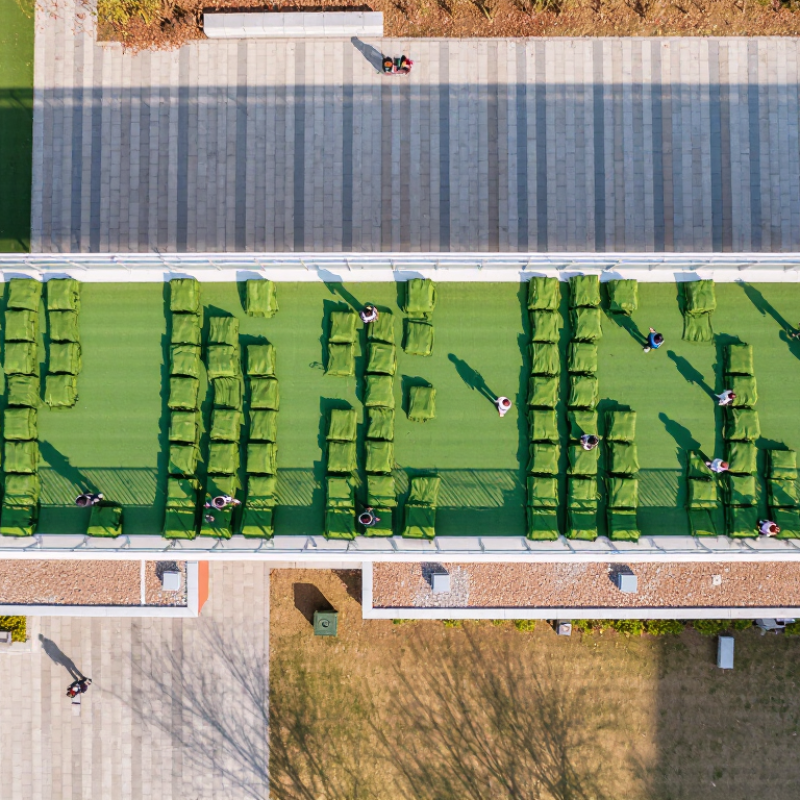
What Nylon Turf Is and How It Differs from Other Turf Types
Nylon turf is an artificial surface made with strong synthetic fibers, usually woven or tufted into a backing. Its fibers resist crushing and recover after repeated footsteps. That resilience makes it suitable for entrances, play spaces, walkways, and training areas. Under pressure, nylon tends to keep a more upright shape than softer turf fibers. The result feels denser and more structured.
Its main difference is performance, not simply appearance. Polypropylene turf often feels softer and costs less, but it may flatten sooner in busy zones. Polyester can offer useful color stability and drainage characteristics, yet it is generally less springy under constant use. Nylon usually handles abrasion well, although quality varies with fiber shape, density, backing, and installation. A thick pile alone does not guarantee durability. That detail is easy to miss.
Nylon also has limits. It may feel hotter in direct sun, and its higher material cost can challenge a tight budget. Proper infill, firm sub-base preparation, seam work, and regular brushing still matter. In poorly prepared areas, even premium fibers can look tired. I would inspect traffic patterns before choosing it. A narrow gate path needs different planning from a broad lawn. For pet areas, drainage and cleaning access deserve equal attention. Nylon is durable, not indestructible.
Why Choose Nylon Turf for High-Traffic Areas?
Nylon turf is known for strong fiber resilience, abrasion resistance, and rapid recovery after repeated foot traffic. Compared with polypropylene and polyester, nylon generally provides a stronger balance for busy commercial, sports, and residential areas.
The chart uses a generalized material-performance index, with nylon normalized to 100. Ratings compare common fiber characteristics: resilience and shape recovery, abrasion resistance, and resistance to repeated compression. Actual performance varies by yarn design, pile density, backing, installation quality, and product construction.
Key Durability Features for High-Traffic Environments
High-traffic turf needs more than a fresh appearance. It must recover after repeated foot pressure, sharp pivots, and daily cleaning. Nylon fibers are valued for their strong resilience. Their spring-like structure helps blades return upright after cleats flatten them.
The FIFA Quality Programme for Football Turf Handbook (2024) includes the Lisport XL test, which can apply up to 20,200 simulated player cycles. This test examines fiber wear, surface appearance, and system performance under heavy use. Nylon turf can perform well in this environment because its fibers resist crushing and recover faster than many softer alternatives. Still, fiber choice is only one factor. A weak backing, poor tuft bind, or uneven infill can shorten service life.
Abrasion resistance matters.
On busy walkways, fiber tips may show polishing before they visibly break. Regular brushing redistributes infill and reduces permanent flattening. ASTM F1292 also provides a recognized method for evaluating impact attenuation, which helps assess safety beneath the surface. It does not measure every durability concern. That limitation deserves attention.
In practical inspections, I would check goalmouths, entrances, and turning zones first. These areas usually reveal stress early. UV exposure, drainage, and maintenance frequency also affect results.
Nylon is not indestructible. Heavy traffic can still create worn lanes, especially when debris remains trapped in the pile. A realistic specification should include fiber shape, pile density, backing strength, and a documented maintenance schedule.
Performance Benefits Under Frequent Foot and Equipment Use
Why Choose Nylon Turf for High Traffic Areas?
Nylon turf earns attention where footsteps, wheeled equipment, and repeated turning punish the surface. Its dense fibers resist crushing and recover faster than many softer alternatives. That recovery helps preserve an even playing surface around entrances, sidelines, and training lanes.
It is not indestructible.
The FIFA Quality Programme Handbook describes repeated laboratory wear testing for demanding football use. Its Lisport XL procedure can involve 20,200 simulated player cycles before performance is reassessed. Testing also examines ball roll, shock absorption, vertical deformation, and rotational resistance. These measures matter under frequent use.
A nylon surface that keeps its pile upright can reduce uneven patches beneath a goalkeeper’s landing area or a maintenance cart’s route. In practice, conditions change the result. Sand, heat, drainage, and poor brushing can shorten performance.
Nylon handles concentrated traffic well, but its higher cost deserves scrutiny. A busy school field may justify it, while a lightly used courtyard may not. That is the uncomfortable part.
Material choice alone cannot fix weak sub-base preparation or neglected maintenance.
Synthetic Turf Council guidance stresses brushing, debris removal, seam inspection, and infill management. Those tasks are easy to postpone. They should not be.
Inspect high-turn areas monthly, record visible matting, and compare conditions after rain and equipment use. Data helps, though field judgment still matters.
Maintenance Requirements and Long-Term Cost Considerations
Why Choose Nylon Turf for High Traffic Areas?
Nylon turf handles repeated foot traffic with strong fiber resilience, but it is not maintenance-free. Debris still settles between the blades. Weekly brushing helps restore the pile and redistribute infill across busy lanes. Sports Turf Managers Association guidance recommends routine inspection, prompt debris removal, and periodic surface grooming for synthetic fields. Neglected areas can flatten near entrances, benches, and turning points.
Water savings can be significant. The U.S. Environmental Protection Agency reports that outdoor use represents nearly 30% of household water consumption. A 2023 Synthetic Turf Council lifecycle report estimates synthetic turf may reduce landscape water demand by up to 70%, depending on climate and design. It also estimates lower routine maintenance spending, often between 30% and 40%. These figures are industry estimates, not guarantees.
Long-term costs still require honest planning. Operators must budget for brushing equipment, infill top-ups, sanitation, drainage checks, and eventual resurfacing. High-use nylon surfaces may need more frequent grooming than lightly used installations. That sounds obvious, yet many budgets overlook labor. A dirty, compacted surface can also drain poorly after rain. I have seen “low-maintenance” plans fail because maintenance was treated as optional. Life-cycle comparisons should include local labor rates, water prices, cleaning schedules, and replacement timing, rather than relying only on the installation quote.
How to Evaluate Nylon Turf for a Specific High-Traffic Area
Why Choose Nylon Turf for High Traffic Areas?
How to Evaluate Nylon Turf for a Specific High-Traffic Area
Nylon turf suits busy spaces because its fibers recover after repeated compression. This matters near entrances, walkways, playground edges, and outdoor seating areas. However, material choice should follow site conditions, not popularity. Count daily users, furniture movement, carts, and occasional concentrated traffic. A hallway used by 300 people needs different testing than a small patio.
Check fiber density, pile height, backing strength, and drainage design. Shorter, denser fibers often resist matting better in busy zones. Ask for a physical sample, then walk over it repeatedly with work shoes. Place a chair leg on it for several days. Inspect whether the fibers rebound and whether the backing shifts. Small details matter. Also measure sunlight, rainfall, and nearby soil. Poor drainage can create odors, stains, or uneven ground beneath the turf.
Maintenance records provide useful evidence. Review cleaning instructions, expected service life, and installation requirements from qualified suppliers. A site inspection is more reliable than a sales estimate alone. In one project, our first traffic assessment was too optimistic because delivery carts were not included. That mistake changed the recommended density and sub-base preparation. Nylon can perform exceptionally well, but no turf is indestructible. Leave room for uncertainty, especially where heavy loads and moisture overlap.