Understanding the Key Features of Garage Doors and Their Impact on Home Security and Energy Efficiency
The garage door plays a crucial role in the overall security and energy efficiency of a home. According to a report by the National Association of Home Builders (NAHB), approximately 70% of homeowners consider their garage door as a primary entry point to their property, which underscores its significance in home security. Furthermore, a study from the U.S. Department of Energy reveals that insulated garage doors can improve a home's energy efficiency by reducing heat loss, potentially leading to energy savings of up to 20%. In this article, we will explore the key features of garage doors that influence their performance, including material choices, insulation properties, and advanced security features. Understanding these aspects is essential for homeowners looking to enhance their property’s safety and energy efficiency while maintaining aesthetic appeal.
Key Features of Garage Doors that Enhance Home Security and Protection
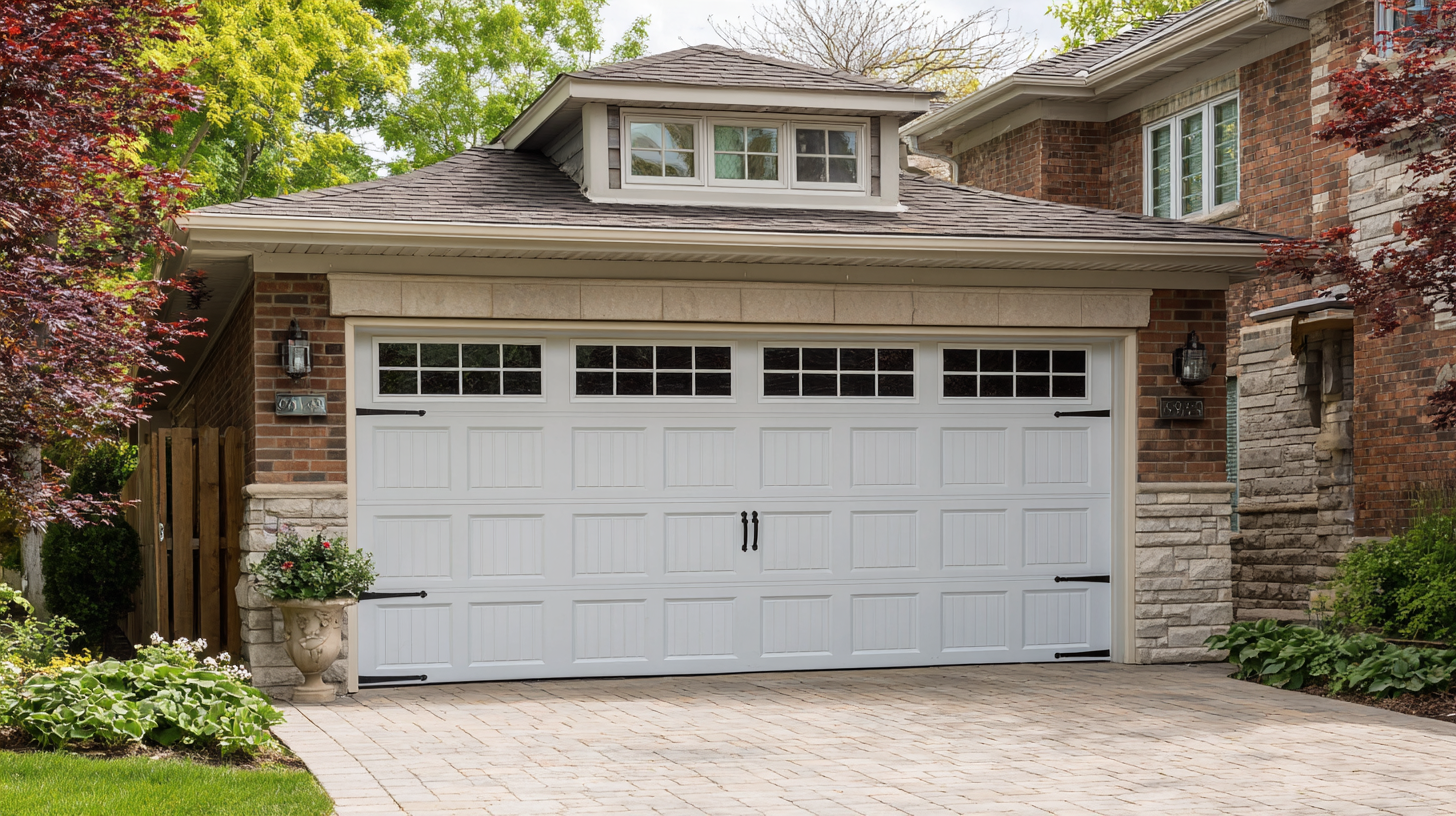 Garage doors play a crucial role in the security and energy efficiency of a home. Modern advancements in garage door technology have led to features that significantly enhance home protection. For instance, smart garage door openers now allow homeowners to monitor and control their garage doors remotely, providing real-time alerts for any unauthorized access attempts. Reports suggest that homes equipped with smart security features, including advanced garage door systems, can deter burglars by up to 30% as these systems often integrate with broader smart home ecosystems that increase visibility and control.
One effective approach to fortifying your garage security is to invest in high-quality locks and access controls. Combining a smart garage door opener with robust deadbolts creates a formidable barrier against intruders. Additionally, installing a security camera focused on the garage area enhances surveillance and can alert homeowners of any suspicious activity. It’s also beneficial to regularly maintain your garage door to ensure all features function optimally, cutting down potential vulnerabilities.
Finally, consider implementing motion-sensor lighting around the garage. This simple enhancement can illuminate potential access points and deter would-be intruders. Keeping your garage organized and free of valuables also minimizes risks, as clutter can provide concealment for thieves. By integrating these key features, homeowners can significantly improve their garage door's security, ensuring peace of mind while also enhancing overall energy efficiency through better insulation and functionality.
The Role of Insulation in Garage Doors for Energy Efficiency and Cost Savings
When considering energy efficiency in garages, the role of insulation in garage doors cannot be overstated. Insulated garage doors not only regulate temperature but also significantly reduce energy costs. According to a study by the Department of Energy, insulated garage doors can lead to energy savings of 10-20% annually by minimizing heat loss during colder months and keeping spaces cooler in the summer. Proper insulation levels can also enhance the overall comfort of adjacent living areas, demonstrating the importance of selecting a door with adequate R-value.
Tips for choosing the right insulated garage door include assessing the local climate and determining how much insulation is necessary based on temperature extremes. Homeowners should also consider the materials used; steel doors with polystyrene or polyurethane insulation generally provide better energy efficiency than non-insulated models. Additionally, check for proper seals around the door edges, which can further improve insulation effectiveness.
Investing in an insulated garage door can also enhance security. An energy-efficient door maintains a stable environment, which discourages moisture buildup and reduces the risk of mold growth—an often-overlooked security concern. By ensuring your garage is well-insulated, you not only save on energy bills but also protect your home from the elements.
Understanding the Key Features of Garage Doors and Their Impact on Home Security and Energy Efficiency
| Feature |
Impact on Home Security |
Impact on Energy Efficiency |
Potential Cost Savings |
| Material Type |
Steel offers high resistance to forced entry. |
Insulated steel doors provide better thermal performance. |
Up to $200/year in heating/cooling savings. |
| Insulation |
Improved noise reduction and protection. |
Higher R-values enhance energy efficiency. |
Potential savings on energy bills. |
| Security Features |
Locking mechanisms and smart tech deter intrusions. |
N/A |
Savings from reduced theft risks. |
| Weather Stripping |
Seals reduce access points for intruders. |
Prevents drafts, improving insulation. |
Lower energy costs due to reduced usage. |
| Smart Technology |
Remote monitoring enhances security. |
Can adjust settings based on temperature. |
Possible savings from optimized energy use. |
Comparative Analysis of Garage Door Materials and Their Security Ratings
When evaluating garage door materials, both security and energy efficiency play pivotal roles in enhancing home protection and reducing energy costs. According to a report by the Consumer Product Safety Commission, over 30,000 injuries involving garage doors occur annually, emphasizing the need for robust materials that offer resistance against break-ins and accidental injuries.
Steel doors, for instance, are highly recommended due to their strength and durability. With a security rating that often reaches a score of 8 out of 10 on industry scales, steel doors are noted for their ability to withstand significant force, making them a reliable choice for homeowners concerned about security.
In terms of energy efficiency, insulated garage doors offer an array of benefits that go beyond security. The U.S. Department of Energy indicates that uninsulated garage doors can account for significant heat loss in homes, leading to higher energy bills. Insulated models, particularly those made of polystyrene or polyurethane, boast an impressive R-value, which measures thermal resistance.
An insulated door can improve energy efficiency by up to 20%, according to the International Door Association. This not only assists in maintaining a stable indoor climate but also contributes to overall home value, as energy-efficient features are increasingly favored in real estate markets. Thus, considering both material strength and insulation properties is essential for homeowners looking to enhance safety and efficiency.
Smart Garage Door Technologies and Their Impact on Remote Monitoring and Control
The integration of smart technologies into garage doors has revolutionized how homeowners monitor and control their properties. Smart garage door systems allow users to operate their garage doors remotely via smartphone apps, providing convenience and peace of mind. These technologies often include features like real-time notifications, enabling users to receive alerts if the door is left open or accessed unexpectedly, thus enhancing home security.
Tip: To maximize the benefits of smart garage door systems, ensure that your device is compatible with the latest home automation platforms. Regularly update the software to protect against vulnerabilities and improve functionality.
Another advantage of smart garage door technologies is their potential impact on energy efficiency. Many modern systems are designed with insulation features that help maintain the temperature of your garage, potentially lowering energy costs. Additionally, they can be programmed to operate only when necessary, minimizing unnecessary energy consumption.
Tip: Consider installing a smart garage door opener with energy-efficient settings that allow you to schedule operation times based on your routine, helping to further reduce energy usage.
Comparison of Garage Door Features Impacting Security and Energy Efficiency
This bar chart illustrates the impact level of different garage door features on home security and energy efficiency. The features analyzed include smart locks, insulation, durability, remote control capability, automatic closing, and alerts/notifications, with values rated from 1 to 10 based on their effectiveness.
Maintenance Best Practices for Maximizing Garage Door Lifespan and Performance
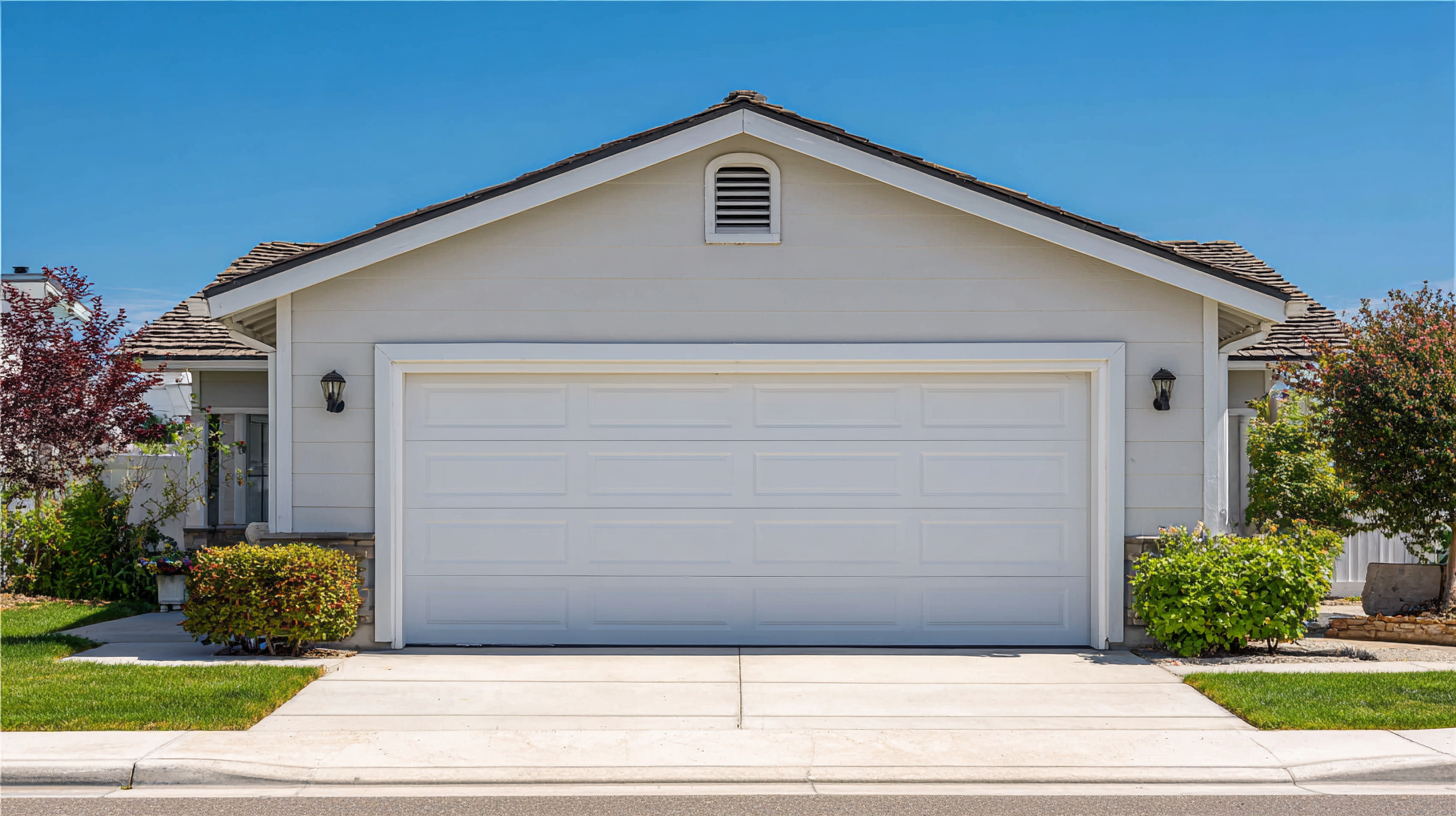 Proper maintenance of garage doors is essential for maximizing their lifespan and ensuring optimal performance. Regular inspections are crucial; homeowners should check for any signs of wear and tear, such as frayed cables, rust, and misaligned tracks. Lubricating moving parts, like hinges and rollers, not only reduces noise but also prevents faster deterioration. A yearly professional servicing can help identify potential issues before they become significant problems, ultimately saving time and money on repairs.
Additionally, keeping the garage door clean contributes to its longevity. Dust and debris can accumulate, leading to mechanical issues over time. It's beneficial to wash the door with mild soap and water periodically. Furthermore, adjusting the door's balance can enhance its efficiency. An unbalanced door can strain the opener and lead to premature wear. By practicing these maintenance best practices, homeowners can enhance the security and energy efficiency of their garage doors while ensuring they operate smoothly for years to come.