2026 How to Choose the Right Rolling Overhead Door for Your Needs?
Choosing the right rolling overhead door is crucial for various industries. An effective door system can enhance security and improve operational efficiency. According to the Door & Access Systems Manufacturers Association (DASMA), the demand for rolling overhead doors is expected to grow by 5% annually through 2026.
Businesses must consider several factors before selection. Material durability, insulation properties, and opening speed are just a few. For instance, steel doors provide excellent security but may require maintenance over time. In contrast, aluminum doors are lighter and more resistant to corrosion but might compromise security. A poor choice can lead to operational disruptions or increased costs.
Ultimately, understanding the specific needs of your facility is essential. Stakeholder feedback and budget considerations should not be overlooked. A well-informed decision can safeguard your assets and enhance productivity. Making a hasty choice could result in regrets. Knowing the options available helps in selecting the best rolling overhead door for your unique situation.
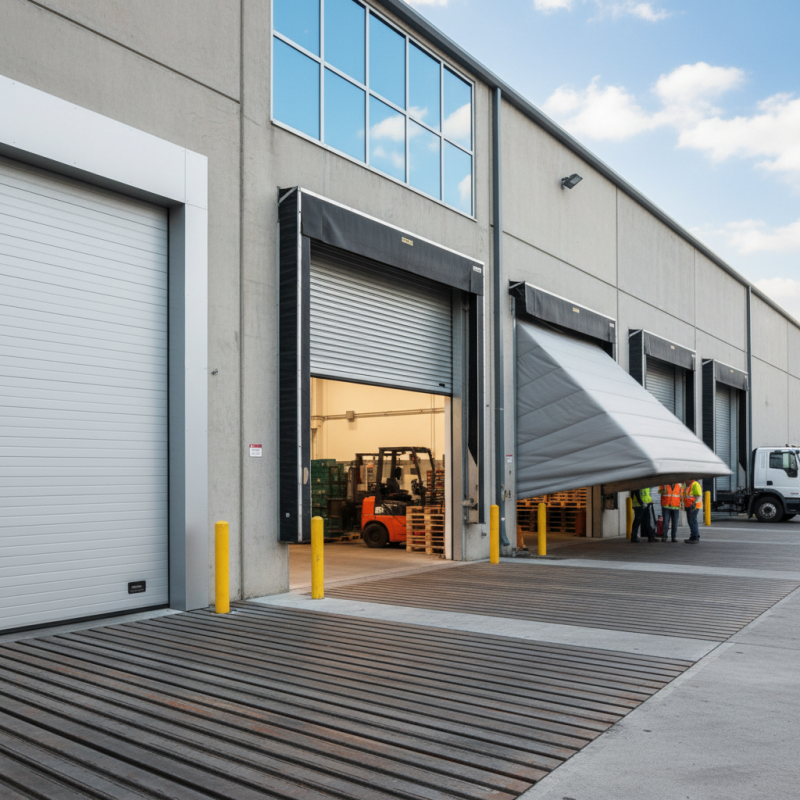
Understanding Rolling Overhead Doors: Types and Features
Rolling overhead doors are practical solutions for various applications. Understanding their types and features can significantly impact your choice. These doors come in several styles, including sectional, rolling steel, and high-speed options. Each type serves specific needs, depending on your environment and daily operations.
Sectional doors are versatile. They consist of several panels that lift upward. This design maximizes space and can be insulated for energy efficiency. Rolling steel doors are durable and ideal for warehouses. They offer security and are often used in industrial settings. High-speed doors, on the other hand, focus on efficiency. They open and close quickly, improving workflow in busy areas.
When choosing a rolling overhead door, consider the location and frequency of use. The materials and insulation level will affect maintenance and energy costs. Think about the safety features required. Sometimes, a model may lack adequate safety mechanisms or may be difficult to operate. Evaluate your options carefully to ensure you select a door that meets all your operational needs.
Key Factors to Consider When Choosing a Rolling Overhead Door
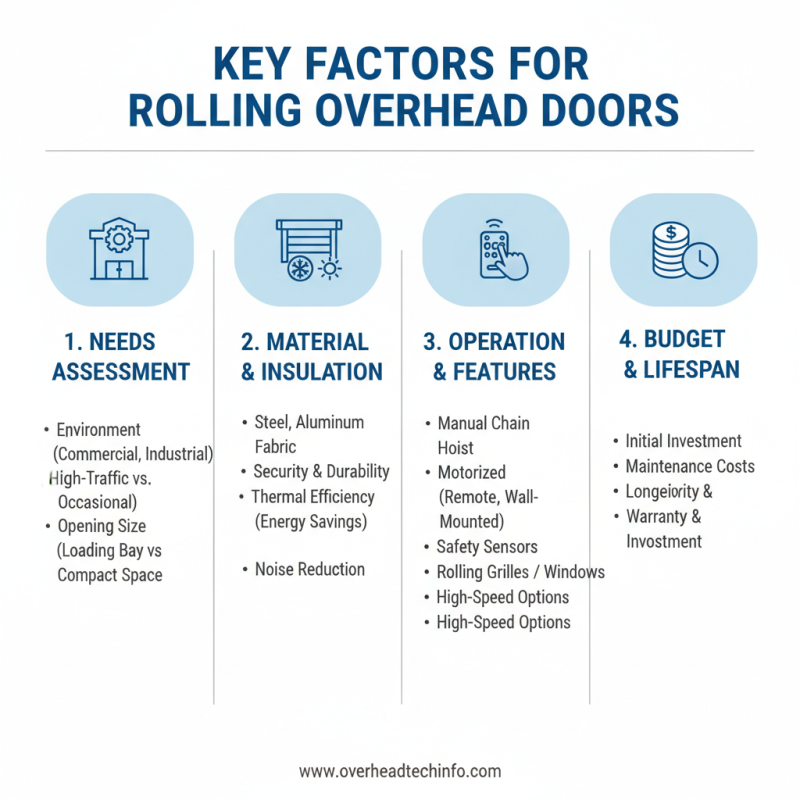
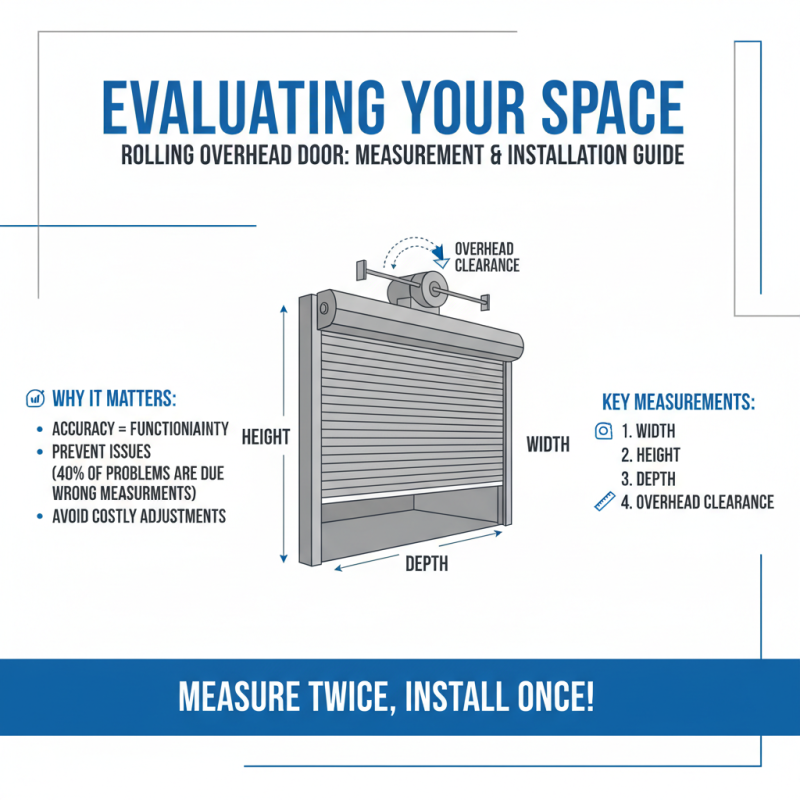
Choosing the right rolling overhead door requires careful consideration of several key factors. Start by evaluating the specific needs of your space. Different environments—commercial, industrial, or residential—will have distinct requirements. Think about the frequency of use and the size of the opening. Larger doors may be necessary for loading bays, while smaller spaces might only need compact options.
Material selection is critical as well. Steel doors offer durability, while aluminum is lightweight and rust-resistant. Consider insulation properties if temperature control is essential. A poorly insulated door can lead to energy loss. Also, think about safety features like photo eyes or sensors that prevent accidents during operation.
Maintenance needs should not be overlooked. Regular checks can prevent unexpected failures. Not all doors are the same; some may require more upkeep than others. Reflect on past experiences with different types of doors. What worked? What didn't? Taking time to review options can lead to better choices in the long run.
Material Options and Their Impact on Durability and Cost
Choosing the right rolling overhead door involves understanding material options and their effects on durability and cost. Steel, for instance, is popular for its strength and longevity. According to industry studies, steel doors can last over 30 years with proper maintenance. However, they are also heavier, which may require more robust hardware and installation.
Aluminum doors, on the other hand, are lightweight and resistant to rust. This trait is crucial in humid environments. Reports indicate that aluminum options often have a lower upfront cost but might need more frequent replacements. For example, commercial establishments report that aluminum doors last about 20 years, a decade shorter than steel ones.
Fiberglass is another viable option, known for its insulation properties. These doors are resistant to wear and have a lifespan of about 15-25 years. Yet, potential buyers should weigh insulation benefits against the higher initial price. Customization options can further increase costs, yet they may enhance aesthetic value and functionality. Understanding these factors can drastically affect your decision.
2026 How to Choose the Right Rolling Overhead Door for Your Needs?
| Material |
Durability (Years) |
Cost Range ($) |
Maintenance Level |
Insulation Properties |
| Steel |
15-30 |
1,000 - 3,000 |
Low |
Good |
| Aluminum |
10-20 |
1,200 - 3,500 |
Medium |
Excellent |
| Wood |
5-15 |
2,000 - 5,000 |
High |
Fair |
| Fiberglass |
15-30 |
1,500 - 4,000 |
Low |
Good |
| Vinyl |
10-20 |
800 - 2,500 |
Very Low |
Excellent |
Maintenance Tips for Maximizing the Lifespan of Your Overhead Door
Maintaining your overhead door is crucial for its longevity. Regular inspection is essential. Check for any dents, rust, or signs of wear. A small issue can escalate quickly if not addressed. Ensure that all moving parts, like rollers and tracks, are clean and lubricated. This simple step can prevent costly repairs down the line.
Routine maintenance should also include testing the door's balance. An unbalanced door can strain the opener, leading to premature failure. Listen for unusual sounds when operating the door. Grinding or squeaking could indicate a problem. Don’t ignore these signs. It’s better to deal with minor fixes now than face major complications later.
Consider implementing an annual maintenance schedule. Document your inspections and repairs. This record can help identify ongoing issues. Remember that neglecting even minor maintenance can result in unexpected breakdowns. Aim for a door that works smoothly year after year with the right care.