How to Choose Greener Cleaning Products?
Choosing cleaning products can feel simple until labels compete for attention. “Natural,” “plant-based,” and “eco-friendly” sound reassuring, but they do not always explain performance or impact. A greener choice should clean effectively, protect indoor air, and reduce unnecessary waste. This is where Greener Cleaning becomes a practical decision, not a fashionable slogan. The bottle matters. So does what is inside.
In real homes, product habits often matter more than attractive packaging. A concentrated refill may reduce plastic and transport emissions, but only when users measure it correctly. An unscented formula can be kinder to sensitive occupants, although “fragrance-free” claims still deserve careful checking. Look for clear ingredient information, responsible disposal guidance, and credible third-party certifications. Independent standards cannot answer every question, but they offer stronger evidence than vague green leaves on a label. Maybe not perfect.
This guide examines how to compare cleaning power, chemical disclosure, packaging, and the product’s full life cycle. It also considers durability, refill systems, concentrated formulas, and the risks of buying more than a household needs. Reliable choices require evidence, practical testing, and a willingness to question familiar assumptions. A product may be safer for waterways yet perform poorly on grease. Another may clean brilliantly but create avoidable packaging waste. The best option depends on the surface, the task, and the people using it. That honest tension matters.
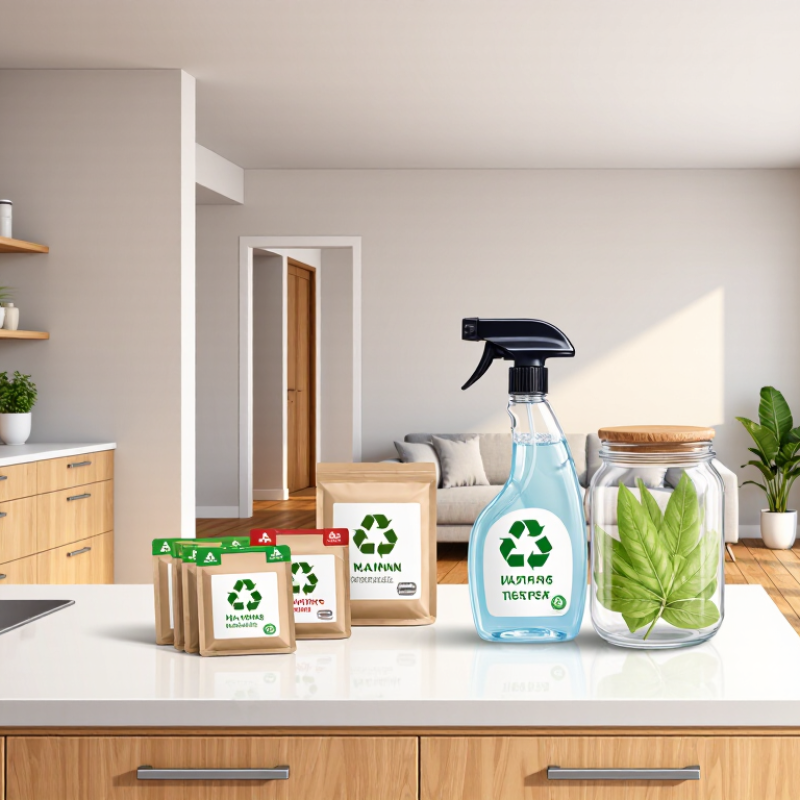
Define What Makes a Cleaning Product Greener
How to Choose Greener Cleaning Products?
Define What Makes a Cleaning Product Greener
A greener cleaning product is not simply one with a leaf on its label. It should reduce harm across its entire life cycle. Check the ingredients, manufacturing process, packaging, transport, use, and disposal. Clear ingredient lists matter. They let consumers identify unnecessary fragrances, persistent chemicals, or substances that may irritate skin and lungs.
Look for concentrated formulas that require less packaging and transport. However, concentration only helps when users follow dilution instructions. Too much product can increase waste and leave residue on surfaces. Refillable containers may also reduce plastic, but the refill system should be practical and genuinely reused. Watch the details.
Independent environmental certifications can provide useful evidence, especially when standards and testing methods are publicly available. Still, certification does not answer every question. A product may use safer ingredients but come in excessive packaging. Another may use recycled plastic but require frequent replacement. Greener choices involve trade-offs.
I test cleaning products on ordinary household tasks, such as removing greasy marks from a cooker or soap residue from tiles. Performance matters because ineffective products encourage repeated applications. I once chose a plant-based formula that smelled pleasant but cleaned poorly. That experience changed my buying habits. Now I compare ingredient transparency, cleaning performance, package weight, and disposal guidance before deciding. A greener product should protect people and ecosystems without creating avoidable waste.
Check Ingredients, Packaging, and Manufacturing Claims
Choosing greener cleaning products starts with reading beyond the front label. I check the ingredient list for clear names and avoid vague phrases like “natural formula.” Plant-based ingredients can still irritate skin or harm aquatic life. Concentrated formulas may reduce transport emissions, but only when I measure them correctly. I once used too much and created unnecessary waste.
Packaging deserves the same attention. Recycled content is useful, yet it does not guarantee easy recycling in every area. I look for refill options, minimal plastic, and containers made from one material. A heavy bottle can feel durable, but it may require more resources to produce and transport. Small details matter. Can the cap be removed? Is the label washable? These questions often reveal weaknesses hidden by attractive designs.
Manufacturing claims need careful checking. Words such as “eco-friendly,” “carbon neutral,” or “responsibly made” should include specific evidence. I look for information about renewable energy, water use, waste treatment, and independent verification. A company should explain how its claims were measured, not simply display green leaves. Transparency builds trust. Still, certifications are not perfect, and I should not treat one symbol as complete proof. My buying decisions remain practical: effective cleaning, safer handling, credible data, and less waste. Sometimes the greener choice is using a smaller amount of a simple product already at home.
Choose Suitable Products for Different Cleaning Tasks
Choosing a greener cleaner starts with the task, not the label. A neutral-pH, low-fragrance solution usually suits daily dust and sealed floors. For kitchen grease, select a plant-based or readily biodegradable degreaser with enough surfactant power. Use a mild acidic formula for mineral deposits in bathrooms. Never assume one bottle can handle everything.
Match the chemistry.
Test a small area first.
For glass, choose a low-residue spray and use a washable microfiber cloth. For toilets and high-touch surfaces, follow the product’s contact time. Cleaning removes soil; disinfecting requires a verified claim and correct application.
Using a stronger product “for safety” can increase exposure without improving results. The U.S. Environmental Protection Agency notes that indoor pollutant levels may be two to five times higher than outdoor levels, making ventilation and fragrance control practical priorities.
Concentrated products can reduce packaging, but only when dilution is measured accurately. The United Nations Environment Programme’s Global Chemicals Outlook reports that chemical production could double by 2030, so avoiding unnecessary use matters.
Look for transparent ingredient information, biodegradability evidence, refill options, and recognized environmental criteria.
Certifications help, but they do not replace reading directions.
I still sometimes overuse cleaner when a damp cloth would work. That habit needs questioning. Choose the least aggressive product that solves the specific soil, protects the surface, and leaves no unnecessary chemical residue.
Use, Store, and Dispose of Green Cleaners Responsibly
A greener cleaner is not automatically harmless. Use, store, and discard it carefully. Read the label before opening the bottle. Look for clear ingredient information, recognized environmental criteria, and concentrated formulas that reduce packaging and transport. The U.S. Environmental Protection Agency’s Safer Choice program evaluates ingredients for human health and environmental safety. Its criteria provide a useful professional benchmark, not a guarantee of perfect sustainability.
Use the smallest effective amount. Follow the directions. Never mix cleaning products, especially chlorine-based products with ammonia or acids. Keep windows open when ventilation is poor. Store cleaners upright, sealed, and away from sunlight, heat, food, children, and pets. Keep them in their original containers. Decanting can remove safety instructions. Small mistakes matter. In real kitchens, overpouring still happens.
Do not pour leftover cleaner onto soil or into a storm drain. Check the label and your local household hazardous-waste service for disposal instructions. Rinse packaging only when the instructions permit it, then use the correct recycling stream. The OECD’s Global Plastics Outlook reports that only 9% of plastic waste was recycled globally in 2019. Packaging choices therefore deserve attention. UNEP’s 2023 Turning off the Tap report says plastic pollution could fall by 80% by 2040 through reuse, recycling, and redesign. A refill system helps only when containers are actually reused. Perfect routines are unrealistic, but careless disposal is avoidable.
How to Choose Greener Cleaning Products?
Use, store, and dispose of green cleaners responsibly by considering packaging recyclability, product safety, and local waste rules.
Packaging material recycling rates in the United States vary substantially. When choosing a cleaner, prefer packaging made from materials accepted by your local recycling program, use the product only as directed, store it securely, and never pour concentrated or hazardous cleaners down a drain unless the label and local guidance allow it.
Source: U.S. Environmental Protection Agency, National Overview: Facts and Figures on Materials, Wastes and Recycling, 2018 data. Rates represent the percentage of each material recycled.