Why Your Garage Door Opener Is Not Working and How to Fix It
In the realm of home convenience, the garage door opener and door system often goes unnoticed until a malfunction occurs, leading to frustration and inconvenience for homeowners. According to industry expert Jane Smith, a renowned technician in the garage door sector, "Understanding the common issues related to your garage door opener and door is vital for timely and effective solutions." Her insights highlight the importance of awareness regarding the mechanics of these systems and the potential problems that can arise.
Whether it’s a remote control that refuses to work or a door that gets stuck halfway, various factors can contribute to the failure of your garage door opener and door. In this article, we will explore the most prevalent reasons behind these issues, providing homeowners with actionable advice on diagnosing and resolving them. By following expert guidance, you can restore the functionality of your garage entrance, ensuring it serves its purpose efficiently for years to come. Understanding these components is not just about repair; it's also about enhancing the overall safety and reliability of your home.
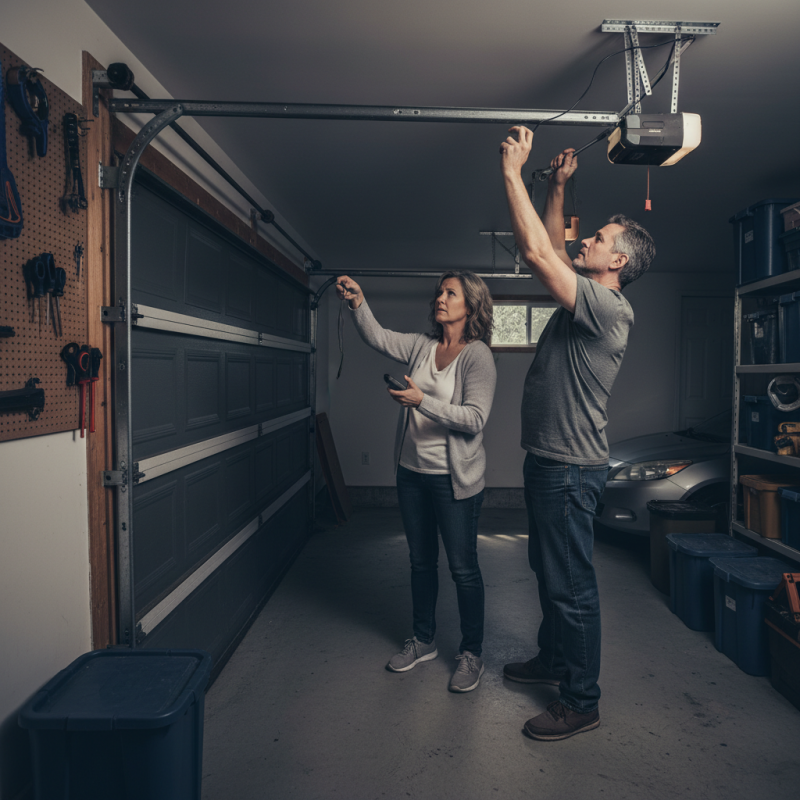
Common Issues That Prevent Your Garage Door Opener from Functioning
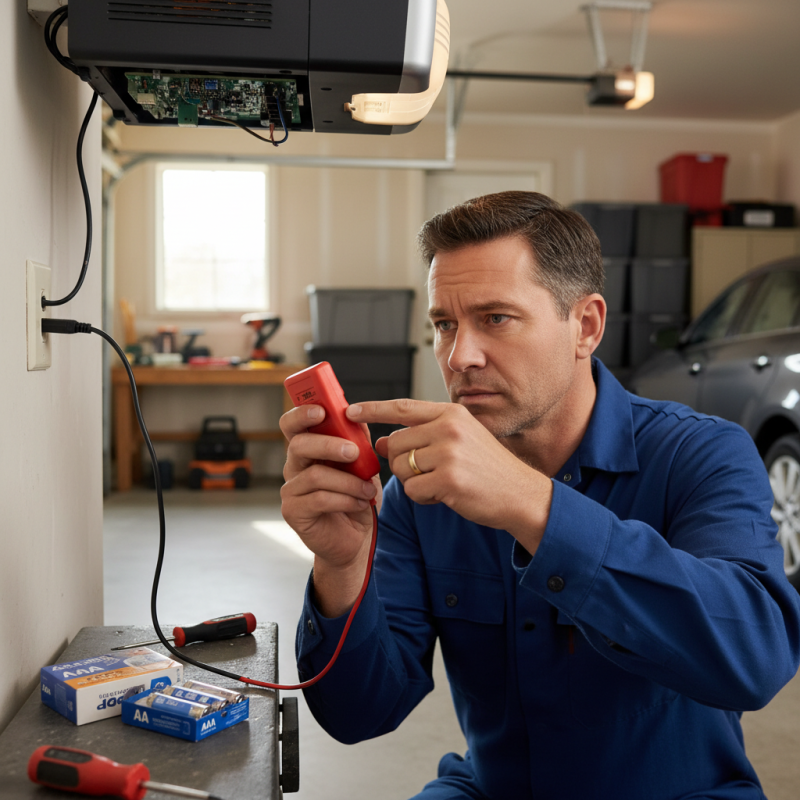
A malfunctioning garage door opener can be incredibly frustrating, especially when you're in a hurry. There are several common issues that might prevent your garage door opener from functioning properly. One of the first things to check is the power supply. Ensure that the opener is plugged in and that the circuit breaker hasn’t tripped. A blown fuse or a faulty outlet could also be the culprit. If everything appears to be connected, but the opener still won’t respond, you may need to inspect the remote control and wall switch for dead batteries or damage.
Another frequent problem involves the alignment of the safety sensors, which are designed to prevent the door from closing on objects or people. If the sensors are misaligned or obstructed, the opener may not function as intended. Cleaning the lenses of the sensors and ensuring they are facing each other correctly can often resolve this issue. Additionally, check the tracks and rollers for any debris or obstructions that might hinder the door’s movement. Regular maintenance, including lubrication of the moving parts and tightening loose hardware, can help prevent future problems with your garage door opener.
Common Issues That Prevent Your Garage Door Opener from Functioning
How to Identify Electrical Problems with Your Garage Door Opener
When your garage door opener fails to work, electrical issues are often the root cause. The first step in identifying these problems is to inspect the power source. Start by checking if the opener is plugged into an outlet or if the circuit breaker has tripped. A simple reset of the breaker or plugging the unit into a different outlet can be an effective way to quickly resolve power-related issues.
If the garage door opener is receiving power but still not functioning, examine the remote and wall switch. Ensure that the batteries in the remote are fresh, and check for interference from nearby electronics. Look at the wiring connected to the wall switch; any loose or frayed wires may indicate electrical faults. Additionally, inspect the garage door opener for any signs of burnt components or visible damage, which may suggest deeper electrical problems. By systematically addressing these potential issues, you can restore functionality to your garage door opener.
Why Your Garage Door Opener Is Not Working and How to Fix It - How to Identify Electrical Problems with Your Garage Door Opener
| Issue |
Symptoms |
Possible Causes |
Solutions |
| Motor Doesn't Run |
No response from the opener |
Power outage, blown fuse, faulty motor |
Check power supply, replace fuse, test the motor |
| Remote Control Not Working |
Opener does not respond to remote |
Dead batteries, signal interference |
Replace batteries, check for interference |
| Door Doesn't Close Fully |
Stops before reaching the ground |
Misaligned sensors, limit settings |
Realign sensors, adjust limit settings |
| Door Reverses Immediately |
Door starts closing and then opens again |
Obstruction in the path, faulty sensors |
Clear obstruction, clean or replace sensors |
| Noise During Operation |
Grinding or squeaking sounds |
Worn rollers, lack of lubrication |
Lubricate parts, replace worn rollers |
Steps to Troubleshoot and Reset Your Garage Door Opener
When your garage door opener suddenly stops working, it can be frustrating. However, troubleshooting the issue is often a straightforward process. Start by checking the power source to ensure the opener is plugged in and that there isn’t a blown fuse. If the opener has power, inspect the remote control and wall switch for any visible damage or low batteries. Replacing batteries can resolve many remote-related issues.
After confirming power and controls, examine the garage door itself. Look for any obstructions in the garage door's path, and ensure the sensors are clean and properly aligned. Misalignment can prevent the door from closing. If the door still doesn’t respond, try resetting the opener by unplugging it for a minute, then plugging it back in. This simple step can often restore functionality.
**Tips:** Regular maintenance can prevent most issues. Lubricate moving parts and clean the sensors every few months. If the problem persists after troubleshooting, it might be time to consult a professional to avoid further damage. Investing time in understanding the basic functions of your garage door opener can save you from future headaches.
Maintenance Tips to Keep Your Garage Door Opener Working Smoothly
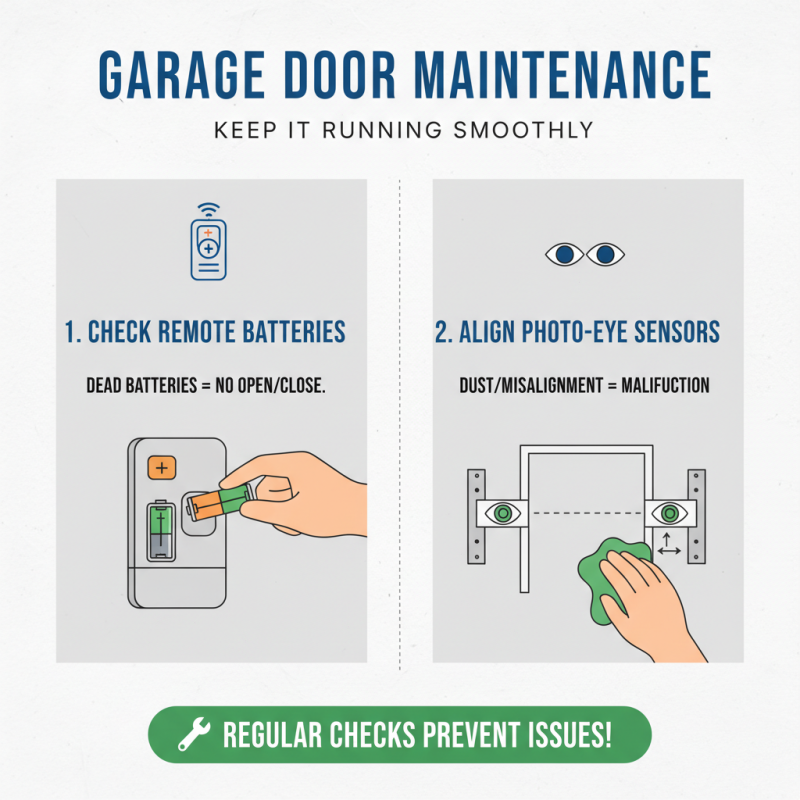
To ensure your garage door opener operates smoothly, regular maintenance is essential. Start by inspecting the remote control batteries and replacing them if necessary, as dead batteries are a common culprit for opener malfunctions. Additionally, check the alignment of the photo-eye sensors located at the bottom of the door tracks. Dust, dirt, or misalignment can impede their functionality, causing the door to fail to open or close correctly.
Next, focus on lubricating the moving parts of your garage door opener at least once a year. Use a silicone-based lubricant on the rollers, hinges, and tracks to minimize friction and wear. Be careful not to over-lubricate, as excess grease can attract dirt and grime. Regularly test the door balance by disconnecting it from the opener and manually lifting it halfway; it should stay in place. If it doesn’t, the springs may need adjusting, which is best left to a professional. Implementing these maintenance tips will not only extend the lifespan of your garage door opener but also enhance its reliability.
When to Seek Professional Help for Garage Door Opener Issues
When dealing with garage door opener issues, it's important to recognize when the problem may require professional intervention. If you've attempted basic troubleshooting—such as checking the power source, changing batteries in the remote, or inspecting the safety sensors—and the opener still fails to operate, it may be time to call in an expert. Persistent problems like unusual noises, inconsistent responses from the opener, or visible wear and tear can indicate underlying mechanical or electrical issues that are best handled by a professional technician.
Moreover, if your garage door opens or closes unexpectedly or seems to operate erratically, seeking professional help is advisable. These issues not only pose a risk to the functionality of your door but can also compromise your home's security. Trained professionals have the necessary tools and experience to diagnose complex problems, ensure a proper repair, and provide peace of mind. Ignoring these warning signs could lead to further damage or safety hazards, making timely expert intervention essential for maintaining a reliable garage door system.