What is a Garage Door and How to Choose the Right One for Your Home
When it comes to enhancing the curb appeal and security of your home, the significance of choosing the right garage door cannot be overstated. According to the International Door Association (IDA), garage doors account for nearly 30% of the home’s exterior and play a crucial role in a property’s overall aesthetic. Furthermore, a well-selected garage door can boost a home’s value by up to 4%, making it a worthwhile investment for homeowners looking to add style and functionality to their property.
Expertise in the industry underscores the importance of making an informed choice. Tom Reid, a prominent figure in the garage door garage door sector, emphasizes that "the right garage door not only complements your home’s design but also enhances energy efficiency and security." This perspective is particularly relevant as homeowners increasingly prioritize safety and efficiency, with reports from Architectural Digest indicating that modern garage door technologies can significantly improve insulation and decrease energy costs. It is crucial to consider factors such as material, style, and functionality when selecting a garage door, as these elements can have lasting impacts on both aesthetics and performance.
Understanding the Basics of Garage Doors: Definition and Types
A garage door serves as a crucial entry point for both vehicles and personal items, designed to protect the garage space from external elements. Generally, garage doors are categorized into several types, each with distinct features and benefits. The most common types include sectional doors, tilt-up doors, roller doors, and slide to the side doors.
Sectional doors, composed of several panels connected by hinges, are popular due to their durability and space-saving design. They open vertically, providing easy access while maximizing space.
Tilt-up doors, on the other hand, consist of a single solid panel that tilts upwards to open, offering a classic aesthetic that some homeowners prefer. Roller doors, which roll up into a coil, are great for compact spaces and often used in commercial settings. Lastly, slide to the side doors move horizontally, making them ideal for homes with limited headroom. Understanding these different types is essential for homeowners looking to choose the right garage door that aligns with their functional requirements and personal style. Each option presents unique advantages, making it important to assess the specific needs of your household before making a decision.
Key Factors to Consider When Choosing a Garage Door for Your Home
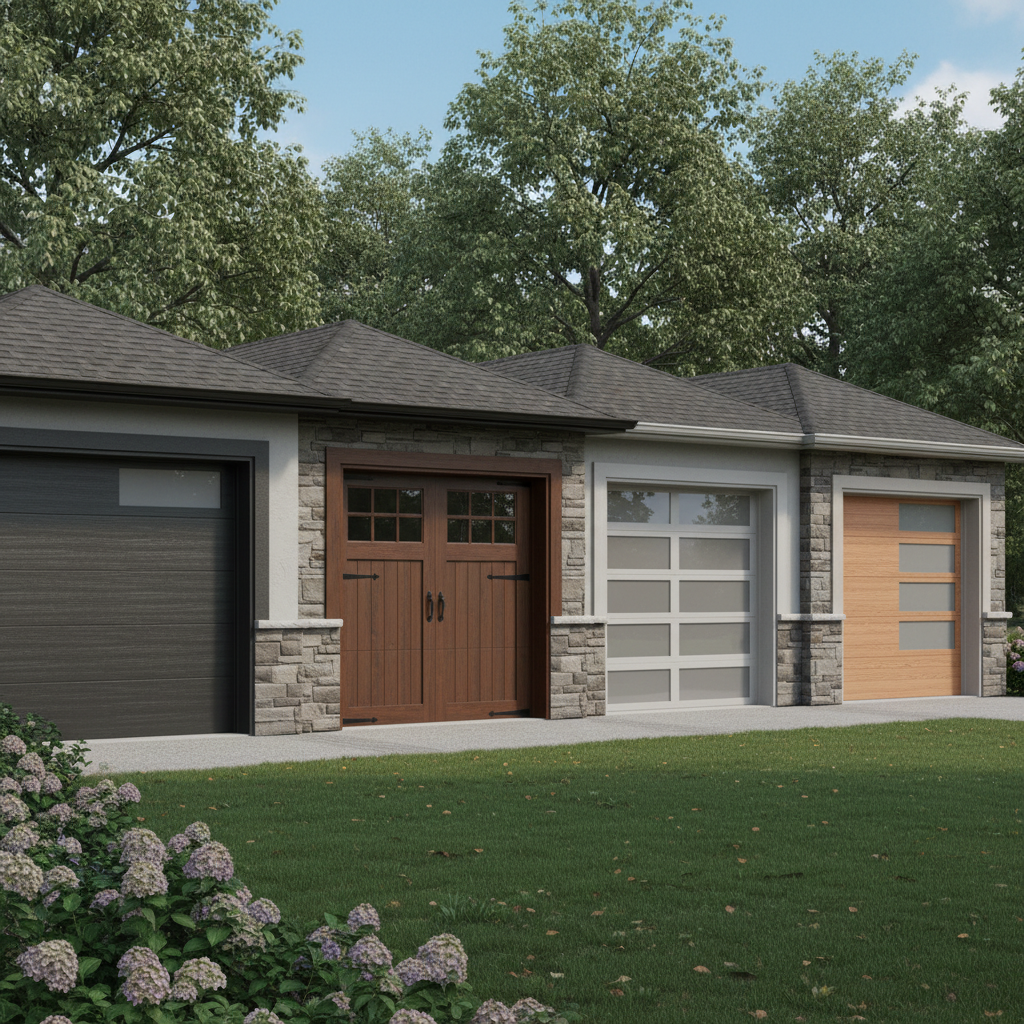
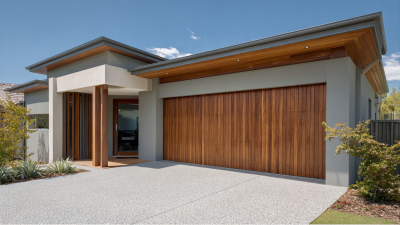
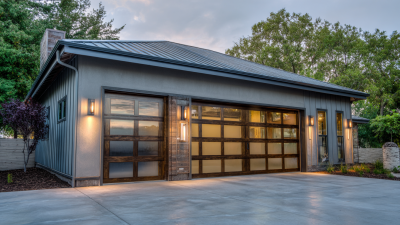
When choosing a garage door for your home, several key factors come into play. First and foremost is material. Garage doors can be constructed from various materials, including steel, wood, aluminum, and fiberglass. Steel doors are known for their durability and low maintenance, while wooden doors offer a classic aesthetic, though they may require more upkeep to prevent weather damage. Aluminum doors are lightweight and resistant to rust, making them a practical choice in coastal areas, whereas fiberglass doors are energy-efficient and can mimic the look of wood without the associated maintenance issues.
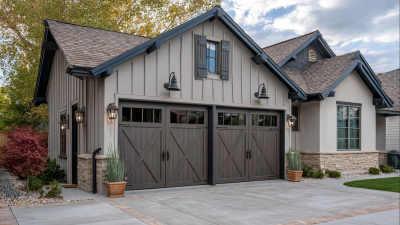
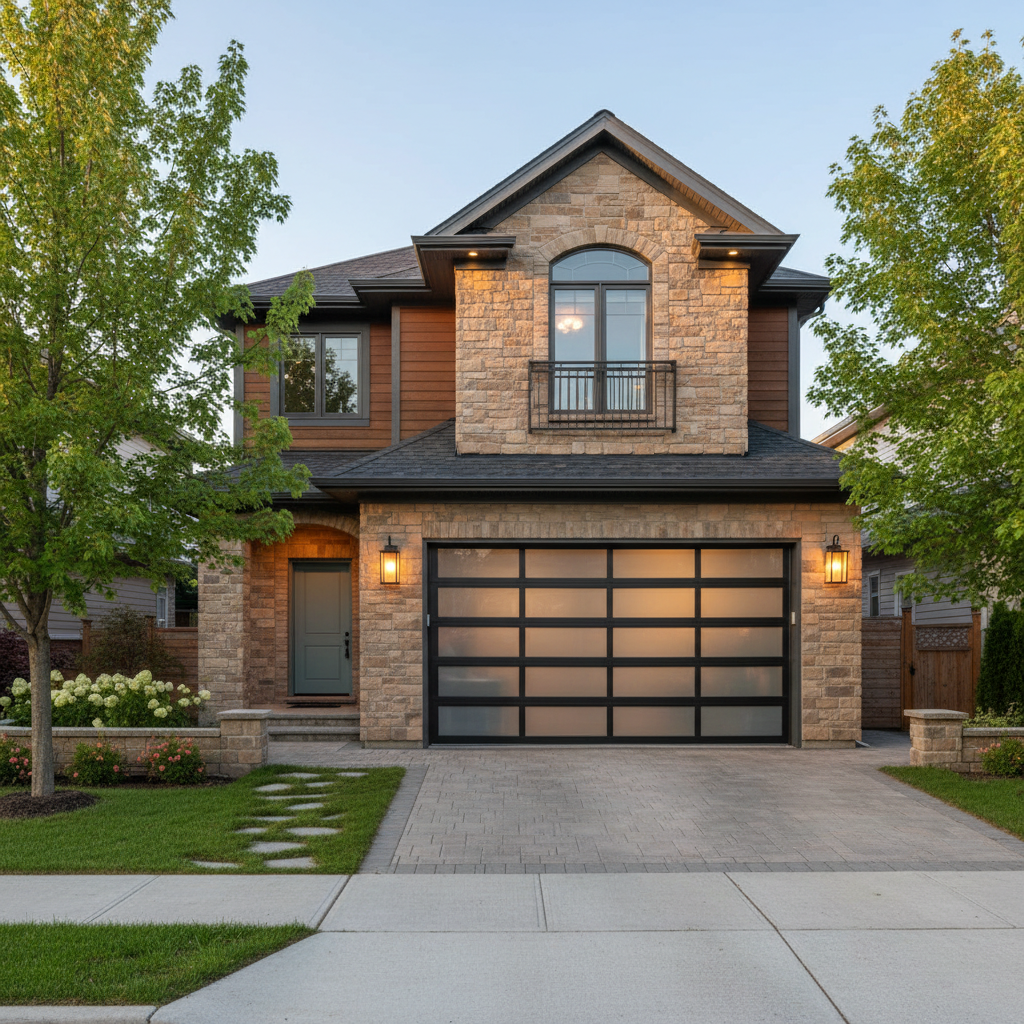
Another crucial factor to consider is insulation. An insulated garage door can help regulate the temperature in your garage, which is especially important if you use the space for activities beyond storing your vehicle. Insulation also improves energy efficiency, potentially lowering your energy bills. Additionally, consider the door's style, which should complement the overall design of your home. Options range from traditional raised panels to contemporary designs, and the right choice can enhance curb appeal while also catering to your functional needs.
The Importance of Material Choice: Wood, Steel, Aluminum, and Fiberglass
When choosing a garage door, the material plays a crucial role in aesthetics, durability, and energy efficiency. According to a 2021 report by the Clopay Building Products Company, nearly 70% of homeowners prioritize material selection when upgrading their homes, particularly due to the visible impact it has on curb appeal.
Wooden doors, renowned for their classic charm, can provide a luxurious look but tend to require more maintenance over time to prevent warping and weather damage. The National Association of Home Builders notes that while wood doors can be custom-designed to suit various styles, they typically have a lifespan of around 15-20 years, if properly maintained.
Steel garage doors are favored for their strength and security, offering excellent insulation properties. The same Clopay report indicates that steel doors have become the preferred choice among 50% of new home builders because they combine durability with energy efficiency, often featuring insulated cores that can reduce heating and cooling costs.
Aluminum, while lighter and resistant to rust, is more susceptible to denting, making it a practical option for coastal areas but less ideal for regions prone to hail. Fiberglass doors are emerging as a strong contender due to their lightweight nature and ability to mimic the appearance of wood without the associated upkeep, appealing to environmentally conscious homeowners looking for low-maintenance options.
Evaluating Garage Door Features: Insulation, Security, and Automation
When choosing a garage door, evaluating its features is essential, especially insulation, security, and automation. Insulation plays a crucial role in maintaining your home’s energy efficiency by reducing heat loss during the winter and keeping the garage cool in the summer. Look for doors with higher R-values, which indicate better thermal resistance, providing comfort for any space attached to your garage.
Security is another vital consideration. A solid garage door can protect your vehicle and belongings from theft and damage. Opt for doors made from sturdy materials like steel, and consider additional features such as reinforced locks, smart technology for alerts and monitoring, and integrated security systems to enhance safety.
**Tips:** When selecting a garage door, consider investing in smart garage door openers that allow remote access and monitoring through your smartphone. Also, think about the design and aesthetics of the door to complement your home’s exterior while providing functionality. Regular maintenance of your door can also prolong its lifespan and ensure it remains secure and efficient.
Garage Door Features Comparison
Industry Statistics on Garage Door Lifespan and Maintenance Needs
When considering garage doors, understanding their lifespan and maintenance requirements is crucial for homeowners. According to the International Door Association, a typical garage door can last anywhere from 15 to 30 years, depending on the type, materials used, and maintenance practices. Steel doors tend to outlast wooden doors, primarily due to their durability against environmental factors. Regular maintenance, including lubrication of moving parts and checking the door’s balance, can significantly extend the life of a garage door.
In terms of maintenance needs, the Door and Access Systems Manufacturers Association (DASMA) highlights that about 25% of homeowners neglect regular inspections. This oversight can lead to common problems, such as misalignment or malfunctioning openers, which could result in costly repairs. It is recommended that homeowners perform annual maintenance checks, which can cost around $150 to $200, a small price to pay for prolonging the function and security of a garage door. By staying informed about these industry statistics, homeowners can make better choices and ensure their garage doors serve them well for years to come.