NJ & NYC Commercial & Residential Garage Door
Dock doors are often overlooked in facility maintenance. Yet, they play a critical role in daily operations. According to industry expert John Smith, “Proper dock door maintenance can prevent costly downtime and enhance efficiency.” This underscores the importance of keeping dock doors in optimal condition.
Inspections should occur regularly to check for wear and tear. A malfunctioning dock door can disrupt loading and unloading processes. If a door fails, it can lead to delays and lost revenue. Business owners may underestimate the impact of these doors on overall productivity.
Moreover, equipment failures can pose safety risks to workers. Ensuring dock doors operate smoothly protects employees and goods. It might seem minor, but neglecting dock door maintenance often leads to significant challenges. Investing time and resources into this aspect is crucial for long-term success.
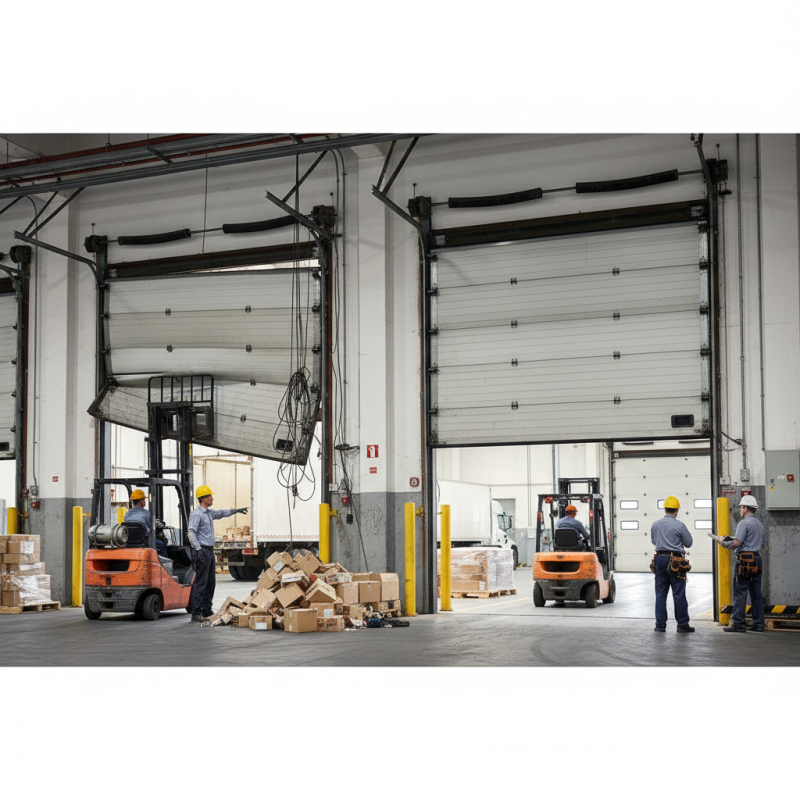
Dock door maintenance plays a crucial role in ensuring operational efficiency. A well-maintained dock door ensures seamless entry and exit of goods. This directly impacts delivery times and helps maintain productivity levels. When dock doors malfunction, delays occur. This can lead to increased labor costs and unhappy customers.
Regular inspections are key. They identify wear and tear before issues escalate. Small repairs can save time and money in the long run. If a door sticks or fails to close properly, it creates a bottleneck. Shippers and receivers may experience frustration. Unplanned downtime disrupts the workflow and impacts revenue.
Investing in dock door maintenance isn't just about repairs. It reflects a commitment to safety and efficiency. Over time, neglect can lead to more significant problems. Employees might take shortcuts when dealing with malfunctioning doors. This can increase the risk of accidents. It’s essential to reflect on the long-term benefits of proper maintenance versus the cost of neglect.
Neglecting dock doors can lead to numerous problems that affect business operations. One common issue is increased energy costs. Broken seals or misaligned doors result in temperature fluctuations. This forces heating and cooling systems to work harder, leading to higher bills. Another problem is safety hazards. Malfunctioning doors may not close properly, posing risks for employees. This could lead to accidents or injuries, creating liability concerns for the company.
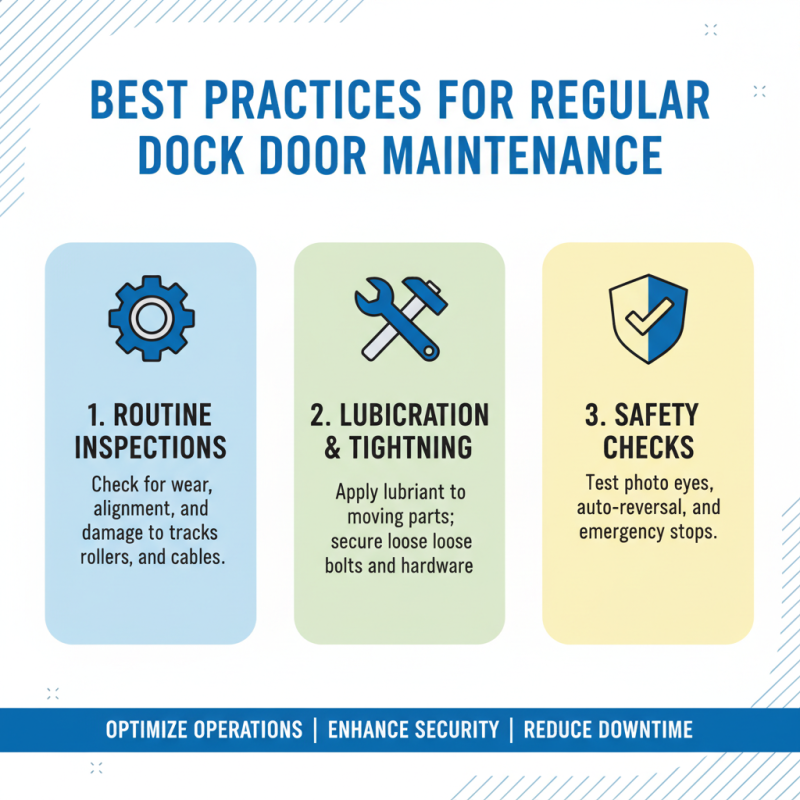
Regular maintenance is key to avoiding these issues. Inspect dock doors frequently for wear and tear. Look for signs of damage, like rust or broken components. A proactive approach can save money and prevent disruptions.
Tips: Ensure seals are checked monthly. Small issues can become big problems quickly. Keep a log of maintenance activities. This helps track patterns and anticipate repairs. Always prioritize safety during inspections. If something feels off, get it fixed right away. Waiting only complicates matters further.
The condition of dock doors significantly affects safety regulations in warehouses and shipping facilities. According to a recent industry report, around 20% of warehouse accidents are related to equipment failure, including malfunctioning dock doors. Surfaces that are damaged or not aligned properly can pose serious risks. Loading and unloading employees face hazards if doors fail to operate smoothly.
Moreover, the Occupational Safety and Health Administration (OSHA) emphasizes maintaining a safe work environment. When dock doors don’t meet safety standards, it can lead to hefty fines. Poor door maintenance can result in unsafe working conditions, increasing liability for businesses. Regular inspections can help mitigate these risks. However, many companies overlook this. Nearly 30% of facilities do not perform regular maintenance on dock doors, according to industry surveys.
Inadequate attention to dock door condition affects not just safety but overall productivity. Delays due to malfunctioning doors disrupt operations, leading to increased costs. Employees may feel unsafe and less motivated, impacting morale. Investing in regular dock door maintenance is not just about compliance; it’s about creating a secure and efficient work environment. The data suggests that enhancing dock door conditions could significantly reduce accident rates and improve overall effectiveness.
Regular maintenance of dock doors is crucial for ensuring compliance with safety regulations. The above chart illustrates the percentage of businesses rated on the condition of their dock doors, highlighting the correlation between maintenance and safety compliance.
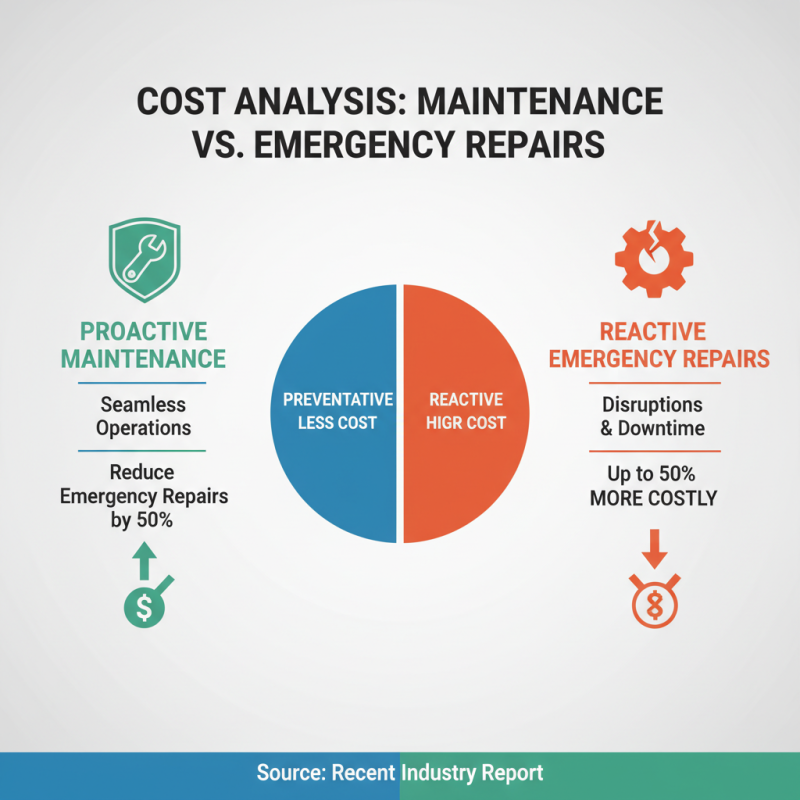
Dock door maintenance is crucial for seamless operations. A recent industry report shows that regular maintenance can reduce emergency repairs by up to 50%. This statistic highlights the cost efficiency of proactive measures over reactive ones.
Emergency repairs can be costly. They often involve not only the repairs themselves but also potential operational downtime. Companies may lose up to $20,000 per hour due to broken dock doors. In contrast, routine maintenance can cost as little as $200 for preventative checks. This disparity signals the need for businesses to evaluate their maintenance strategies closely.
However, many companies overlook these benefits. They might believe that a dock door will function indefinitely without attention. This assumption can lead to significant financial strain. Investing in consistent maintenance ensures long-term functionality, while neglect can result in unexpected crises. The choice is clear: prioritize maintenance to prevent costly emergencies.
Regular dock door maintenance is essential for any business that relies on freight and logistics. Neglecting this can lead to costly downtime and safety hazards. Ensuring that dock doors function properly helps streamline operations and enhances security.
Tips for maintaining your dock doors: conduct weekly visual inspections. Look for signs of wear, rust, or misalignment. Small issues can escalate into significant repairs if not addressed promptly. Cleaning the door tracks regularly is another simple way to ensure smooth operation. Accumulated dirt can cause doors to jam or malfunction.
Consider inspecting the seals and weatherstripping on a monthly basis. Damaged seals can allow air and water to enter. This not only compromises energy efficiency but can also lead to product spoilage. Keep a log of each maintenance check. This will help track patterns and may highlight recurring issues that need further investigation. Prioritize training staff to report any irregularities immediately. Open communication can prevent bigger problems down the line.