What is a Dock Door and Why is it Important in Logistics?
In the world of logistics, the "dock door" plays a crucial role. This term refers to the entry point where goods are loaded and unloaded from trucks. As John O'Malley, a logistics expert, once said, "A dock door is not just an opening; it’s the heartbeat of a distribution center." Its importance cannot be overstated.
Dock doors facilitate the movement of inventory. Efficient operations depend on how these doors work. When a dock door malfunctions, it can disrupt the entire supply chain. Delays occur, and costs rise. This situation shows the need for maintenance and technology in logistics. It is essential to have functional dock doors for seamless operations.
However, not all facilities prioritize dock door efficiency. Some overlook maintenance until it’s too late. This leads to chaos and inefficiencies. Reflecting on these issues can help businesses improve their logistics operations. Investing in dock door technology could yield better results and reduce delays. In logistics, a well-maintained dock door can make all the difference.

What is a Dock Door?
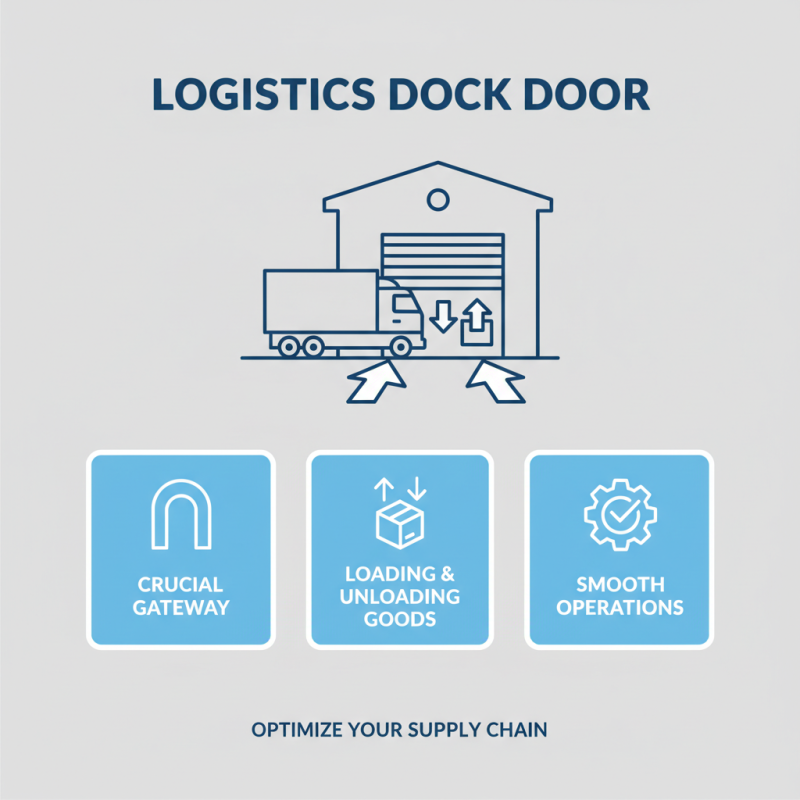
A dock door is crucial in logistics. It serves as a gateway for loading and unloading goods. Understanding its function is key for smooth operations.
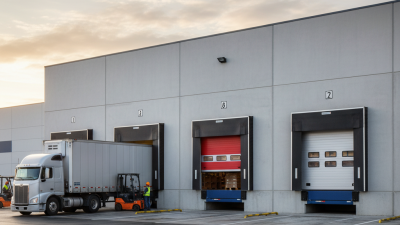
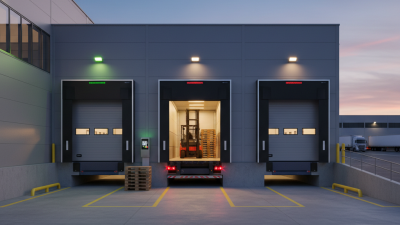
Typically, dock doors are found in warehouses and distribution centers. They vary in size and design to accommodate different types of cargo. A standard dock door is usually around eight to ten feet wide. This size allows forklifts and pallet jacks to transport goods efficiently.
Poorly maintained dock doors can cause delays. If a door jams, it can halt operations. Safety is a concern; an unsafe dock door can lead to accidents. Proper inspection is vital to prevent potential issues. Regular checks on weather seals and door mechanisms can mitigate risks. It's important to prioritize these factors for optimal logistics.
The Structural Features of a Dock Door
A dock door is a crucial component in logistics. It facilitates the movement of goods between a loading dock and a transport vehicle. Its structural features significantly influence both efficiency and safety during loading and unloading operations.
Typically, dock doors are designed to withstand heavy use. They may be insulated to maintain temperature control in refrigerated environments. The size is often larger than standard doors. This allows for trucks of various sizes to easily access the loading bay. However, the construction can sometimes present challenges. If not well-maintained, they can jam, causing delays that impact delivery schedules.
Dock doors may also feature seals to minimize air leakage. This contributes to energy efficiency. However, these seals can wear out, requiring regular inspections. The placement of door tracks is essential as well. Improper alignment can lead to difficulties in operation. In the end, understanding the structural nuances of dock doors can help optimize logistics operations.
The Role of Dock Doors in the Supply Chain
Dock doors play a crucial role in the supply chain. They serve as vital entry and exit points for goods in logistics. The efficiency of dock doors directly affects the speed of operations. Proper workflows around these doors can streamline processes. This leads to faster loading and unloading times, enhancing overall productivity.
Tip: Make sure dock doors are well-maintained. Regular inspections can prevent costly downtime. Small issues often escalate if left unattended.
The visibility of dock doors also matters. Install clear signage to direct traffic effectively. A chaotic dock area can lead to accidents. Ensuring safety and organization prevents potential injuries and delays.
Tip: Consider employee training programs. Well-trained staff can manage dock operations better. They will respond quickly to problems. This approach minimizes disruptions in the supply chain. Ensure everyone understands the importance of their role at the dock.
Importance of Dock Doors in Logistics
Benefits of Efficient Dock Door Management
Dock doors are crucial in logistics. They serve as entry and exit points for goods. Their efficiency impacts the entire supply chain. Proper management of dock doors leads to time savings. Delays can cost money and affect customer satisfaction.
Efficient dock door management allows for quick loading and unloading. This reduces the time trucks spend waiting. Fewer waiting times mean lower operational costs. It creates a smoother workflow. Safety is also a concern. Well-maintained dock doors minimize accidents and injuries.
Tips for effective dock door management include:
- Regular inspections.
- Check the condition of doors and seals.
- Training staff on proper procedures.
- Encourage communication among teams.
- Identify and address bottlenecks promptly.
- Reflect on performance regularly.
Room for improvement always exists.
Challenges and Solutions in Dock Door Operations
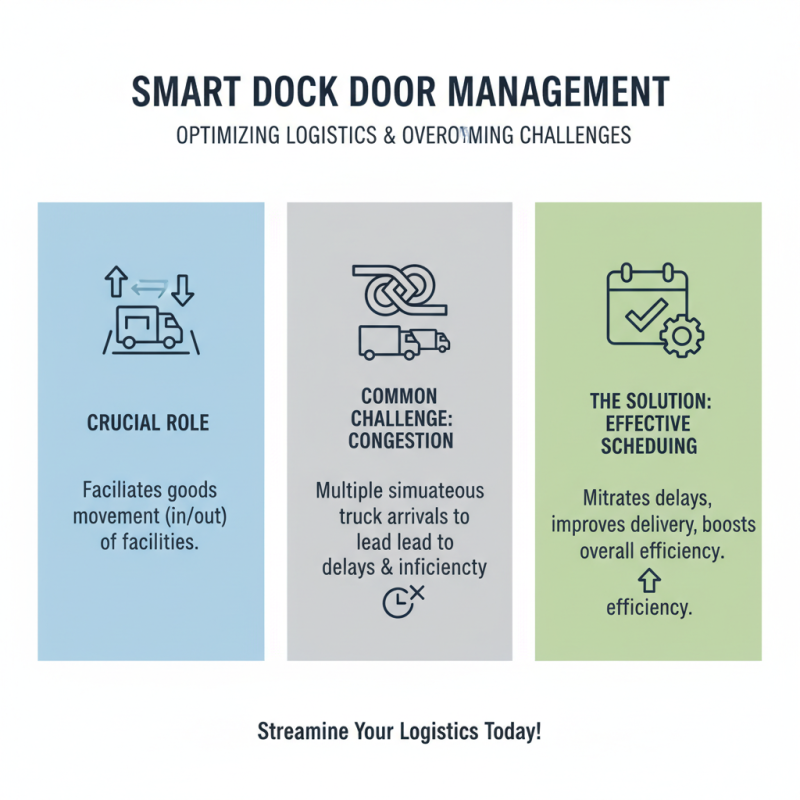
Dock doors are crucial in logistics, facilitating the movement of goods in and out of facilities. However, managing these operations comes with challenges. One common issue is congestion. When multiple trucks arrive simultaneously, delays occur. This can impact delivery schedules and overall efficiency. Effective scheduling practices can mitigate this issue. However, not all facilities implement such systems consistently.
Another challenge is safety. Loading docks can be dangerous areas. Forklifts and other equipment are often in motion. Accidents can lead to injuries and damaged goods. Regular training for staff is essential but sometimes overlooked. Investing in safety protocols pays off in the long run. Yet, it’s a process that requires continuous improvement.
Communication is also a significant factor. Clearing up miscommunication can prevent errors in loading and unloading. A lack of clear signage can confuse drivers and workers alike. Some facilities experiment with digital communication tools. Nonetheless, not every team adopts these tools effectively. Addressing these gaps is vital for smoother operations.