NJ & NYC Commercial & Residential Garage Door
How to Choose the Right Garage Fire Door
Choosing the right garage fire door begins with the opening, not the finish. The door must suit the wall’s fire-protection requirements and the way people use the space. A door that looks substantial may still be unsuitable if its label, frame, or hardware does not match the assembly. Small details matter.
Fire-door consultant Lori Greene’s guidance focuses on treating the door as a complete, tested assembly. A practical summary of that principle is: “A fire door is more than a heavy slab; its components must work together.” This is a paraphrase, not a verbatim quotation. The label, hinges, latch, closer, and frame all deserve attention. Ask the supplier to explain the rating and documentation for the specific opening, rather than relying on a broad product claim.
Think about daily use, too. Will the door close fully after someone carries boxes through? Does the closer pull it shut without slamming? Is the threshold clear of stored tools and clutter? These ordinary moments can expose a poor fit. Check installation instructions and arrange qualified inspection and maintenance. Requirements vary by building and location, so confirm details with the relevant local authority or a qualified professional. There is no one-size-fits-all choice. A careful review takes time, and even experienced buyers can overlook the frame. That is worth checking twice.
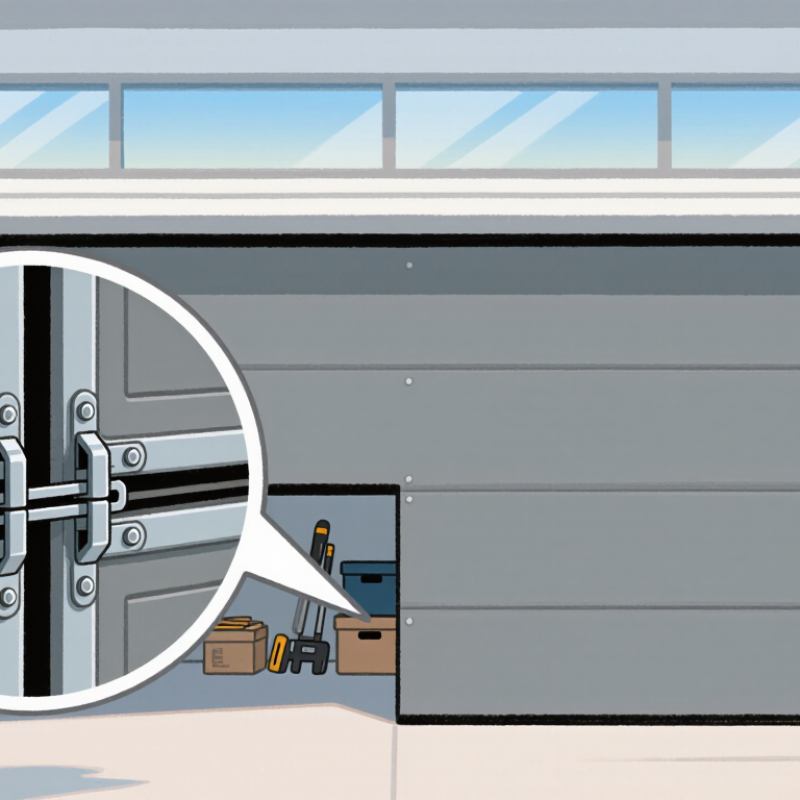
Identify the Fire-Protection Needs of the Garage
Identify what the garage separates before choosing a door. An attached garage may open directly into a home, while a detached garage may have different risks and requirements. Note nearby bedrooms, stairs, and escape routes. Look closely at what is stored: fuel containers, paints, lawn equipment, and charging devices can add heat or smoke hazards. Small details matter.
NFPA’s analysis of 2014–2018 data estimated 6,600 home fires involving garages annually in the United States. These fires caused an average of 30 deaths, 400 injuries, and $457 million in direct property damage each year. The figures show why the door’s role matters: it must help protect the connecting opening, not simply look substantial. Check the required fire-protection rating against local building codes and the building’s approved plans.
Treat the door, frame, hinges, latch, and closer as one assembly. NFPA 80 covers the installation and maintenance of fire doors and other opening protectives; its requirements may apply to the selected assembly. Confirm that the door closes and latches fully, without being propped open or blocked by storage. Still, a checklist can miss daily habits. Watch how people move through the garage, and choose an arrangement they can use correctly.
How to Choose the Right Garage Fire Door - Identify the Fire-Protection Needs of the Garage
| Garage Situation | Fire-Protection Need | Door and Assembly to Consider | What to Verify |
|---|---|---|---|
| Attached residential garage with a door into the home | Limit the spread of fire and smoke from the garage into the dwelling. | Use a door and frame that meet the locally adopted residential code. Some model codes allow specified solid-wood or solid- or honeycomb-core steel doors, or a listed fire-protection-rated door. | Check the adopted code, permitted door construction, frame and hardware requirements, and whether self-closing or smoke-control features are required locally. |
| Garage opening into a shared corridor or another occupied area | Protect an escape route and help maintain separation between different areas of the building. | Select a listed fire-door assembly with a rating appropriate to the wall and the opening’s function. The complete assembly may include the door, frame, hinges, latch, closer, glazing, and seals. | Confirm the required rating and permitted components with the building plans, fire strategy, and authority having jurisdiction. Do not assume a door leaf alone provides the required protection. |
| Parking garage divided into fire or smoke compartments | Preserve the intended compartmentation and limit fire or smoke movement between sections. | Use a tested, listed assembly suitable for the opening and compatible with any required automatic-closing or smoke-control system. | Check the compartment plan, opening-protective rating, fire-alarm interfaces, release mechanism, and inspection or testing requirements. |
| Garage containing a fuel-fired appliance or service area | Maintain any required separation between the appliance or service space and the garage or adjoining occupied areas. | Choose the door type and fire rating specified for that separation; ensure the frame, latching, and closing arrangements match the approved assembly. | Confirm appliance clearances, ventilation, and separation requirements in the applicable building and mechanical codes. A fire door does not replace required ventilation or safe-clearance provisions. |
| Garage with a large vehicle or equipment opening | Determine whether the opening lies in a required fire barrier or compartment boundary. | If a fire-protection-rated opening is required, use an appropriately listed door assembly designed for that opening size and operating method. | Verify that the complete system—including guides, supports, counterbalance or closing device, controls, and any detection interface—is approved for the installation and maintained as required. |
| Detached garage with no opening into another building | Assess fire exposure to nearby buildings, property lines, and other protected areas. | A fire-rated door may not be required solely because the structure is a garage; requirements depend on location, construction, use, and local code. | Check required setbacks, exterior-wall ratings, openings near property lines, and any local fire-separation rules before selecting a door. |
Selection note: Fire-door ratings and permitted constructions vary by jurisdiction and building use. Confirm the required protection level with the adopted codes, approved building documents, and local authority. Install and maintain the door as a complete, compatible assembly; never modify listed components without approval.
Related Posts
-
What is a Garage Fire Door and How Does It Work?
-
How to Choose a Rolling Steel Door?
-
Exploring the Benefits of Installing a Garage Door with an Integrated Door: Functionality Meets Convenience
-
Discover the Benefits of Choosing Standard Garage Doors in 2025 Top Home Upgrades
-

Unlocking the Future: How Genie Doors are Revolutionizing Home Access and Security
-
How to Find Phone Number for Overhead Door Services?