How to Choose the Best Standard Garage Door for Your Home: A Complete Guide
Choosing the right standard garage door for your home is a crucial decision that can enhance both the aesthetic appeal and functionality of your property. With a wide array of options available in the market, it’s essential to understand the various factors that influence the selection process. In this complete guide, we will explore the top five standard garage doors for 2025, examining their features, styles, and material choices to help simplify your decision-making.
Whether you are looking for a classic, modern, or custom look, there is a standard garage door tailored to meet your specific needs. Beyond just appearance, considerations such as insulation, durability, and security should also be prioritized in your selection process. As you delve into this guide, you will discover valuable insights and tips that not only make your garage door selection easier but also ensure that you invest in a product that adds lasting value to your home. Let’s embark on this journey to find the best standard garage door that complements your lifestyle and elevates your home’s overall charm.
Understanding Different Types of Standard Garage Doors and Their Features
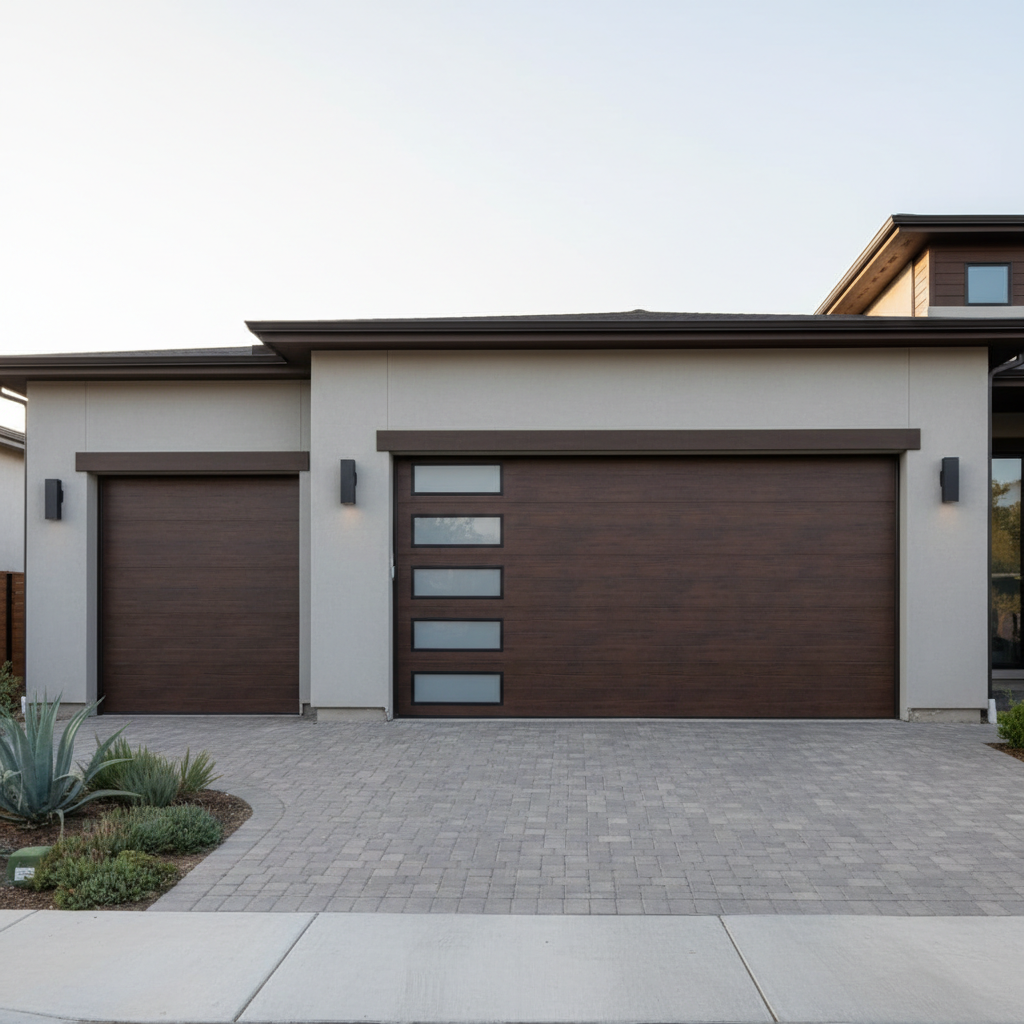
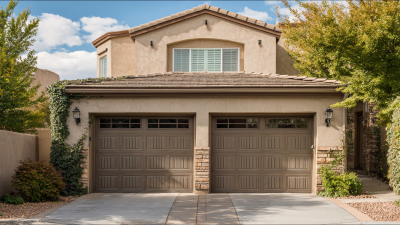
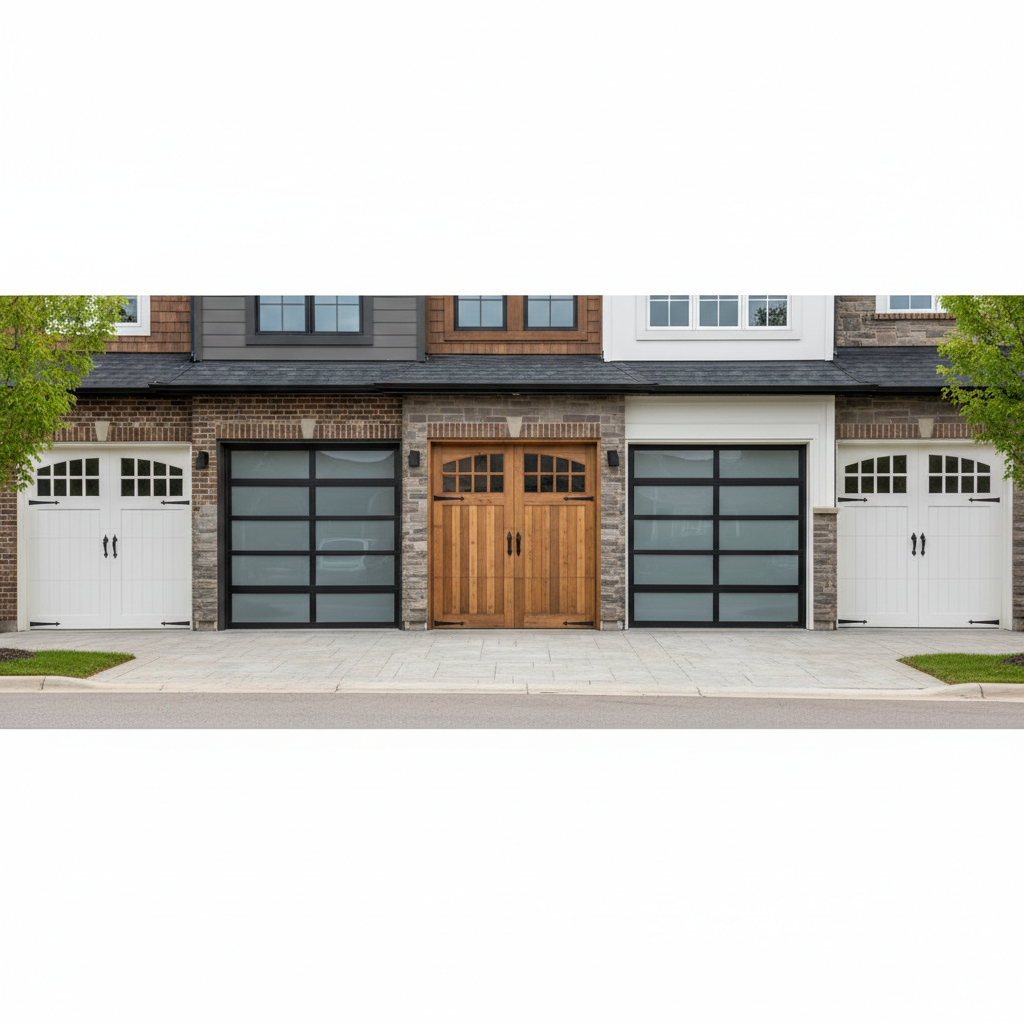
When selecting a standard garage door, it’s essential to understand the various types available and their unique features. One of the most common options is the sectional garage door, which consists of multiple panels that hinge together. This type is favored for its reliability and space efficiency, as it opens vertically and doesn’t require additional side space to be functional. Sectional doors are often insulated for better energy efficiency, making them ideal for attached garages.
Another popular choice is the roll-up garage door, designed for commercial use but increasingly found in residential areas. These doors consist of slats that roll up into a compact coil, offering a modern look and maximizing headroom. They are particularly suitable for homeowners with limited space or those who prefer a contemporary aesthetic. Additionally, tilt-up garage doors present a more classic design, swinging out and up as a single piece. This option provides a traditional touch while being easy to operate, though it may require additional space in front of the garage. Understanding these types will help you choose a garage door that meets your aesthetic preferences and functional needs.
Evaluating Garage Door Materials: Steel, Wood, and Fiberglass Comparisons
When selecting a garage door, the material plays a crucial role in both durability and aesthetics.
Steel is often favored for its robustness and low maintenance requirements. It can withstand harsh weather, resist dents, and is available in various styles and colors.
However, it may be prone to rust if not properly treated. Insulated steel doors provide added energy efficiency, making them an excellent choice for climate control.
Wood offers a classic and elegant appearance, ideal for homeowners seeking a traditional look.
It can be customized with different stains and finishes, enhancing curb appeal.
However, wood requires more upkeep, such as periodic painting or sealing, to protect against rot and warping.
Additionally, solid wood may be more expensive and less energy-efficient than other materials.
Fiberglass is an excellent alternative, combining the best of both worlds.
It can mimic the appearance of wood while being highly resistant to dents and rust.
Fiberglass doors are also lightweight, making them easy to operate.
Nonetheless, their color may fade over time, requiring occasional maintenance. Each material offers unique benefits, so consider your lifestyle, budget, and aesthetic preferences carefully when making your decision.
Key Considerations for Garage Door Size and Installation Requirements
When selecting a standard garage door for your home, understanding the size and installation requirements is crucial. Garage doors typically come in standard sizes, including single-car (7 feet high by 8 to 9 feet wide) and double-car (7 feet high by 16 to 18 feet wide) options. It's essential to measure your garage opening accurately, considering the width, height, and even the headroom and side-room space to ensure a proper fit. A well-fitted garage door not only enhances aesthetics but also improves functionality and energy efficiency.
Installation requirements also play a significant role in choosing the right garage door. Some doors may require additional structural support, especially if you are upgrading to a heavier material or a larger size. Additionally, local building codes may dictate specific guidelines that must be followed, which can impact the type of door you select. Consulting with a professional installer can help clarify these requirements and ensure that you choose a door that meets both personal preferences and safety standards while enhancing the overall value of your home.
Cost Analysis: Budgeting for Your Garage Door Installation and Maintenance
When it comes to selecting a standard garage door, understanding the cost implications is crucial. The initial purchase price can vary significantly based on materials, size, and features. Steel and fiberglass options may be more budget-friendly upfront, while wooden doors typically offer a higher aesthetic value at a steeper cost. It’s essential to set a clear budget that includes not just the door itself, but also installation fees, which can add to the overall expense.
Maintenance costs should also be considered in your financial planning. Regular upkeep, such as lubricating moving parts and checking for wear and tear, can prevent costly repairs down the line. Depending on the door’s material, you may also need to factor in painting or refinishing for wooden doors. Additionally, be prepared for unexpected expenses, such as emergency repairs or component replacements. By carefully evaluating both installation and maintenance costs, homeowners can make a more informed decision that aligns with their budget without sacrificing quality.
How to Choose the Best Standard Garage Door for Your Home: A Complete Guide - Cost Analysis
| Garage Door Type |
Average Cost (USD) |
Installation Cost (USD) |
Maintenance Cost (Annual, USD) |
Expected Lifespan (Years) |
| Steel |
$750 |
$300 |
$100 |
15 |
| Wood |
$1,200 |
$400 |
$150 |
10 |
| Fiberglass |
$950 |
$350 |
$120 |
12 |
| Aluminum |
$1,000 |
$300 |
$90 |
15 |
| Vinyl |
$850 |
$350 |
$110 |
20 |