How to Choose the Right Overhead Door for Your Business?
Choosing the right overhead door for your business is crucial. The overhead door impacts your operations, efficiency, and security. It’s more than just a functional item; it’s part of your brand image. A well-chosen overhead door enhances accessibility and productivity.
Consider the specific needs of your business. Do you need a high-traffic solution or a heavy-duty option? Various materials and designs exist. For instance, insulated doors are perfect for climate control. Meanwhile, rolling steel doors provide durability. Reflecting on these traits helps in making an informed selection.
Business owners often overlook the installation aspects. A poorly installed overhead door can lead to safety hazards. Beyond aesthetics, reliability and maintenance are vital. Are you prepared for ongoing maintenance? Evaluate your options thoroughly. A thoughtful choice now can prevent larger headaches in the future.
Understanding Different Types of Overhead Doors for Commercial Use
Choosing the right overhead door for your business is crucial. Many businesses overlook the importance of selecting the appropriate type for their operations. Understanding the variety of overhead doors available can prevent costly mistakes and enhance operational efficiency.
Sectional doors, for example, are popular for their versatility. They can be insulated, which helps with energy efficiency. According to a recent industry report, around 70% of commercial facilities prefer this type due to its balance between security and thermal performance. Many businesses find that investing in better insulation pays off in reduced energy bills over time.
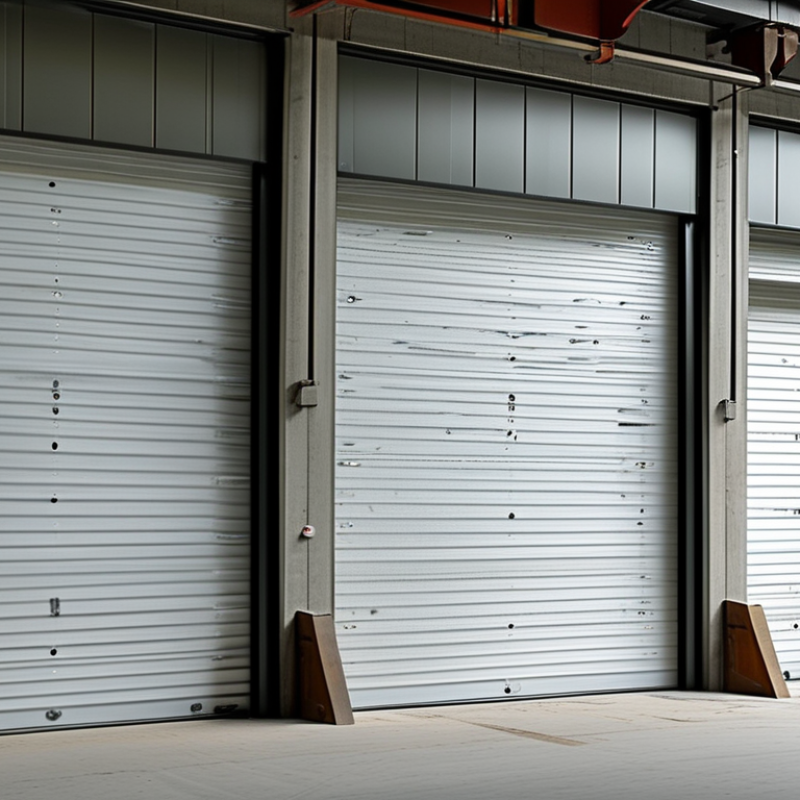
On the other hand, rolling steel doors are another option. They provide high security and are ideal for warehouses or retail locations. A study revealed that these doors can withstand impacts better than other types, making them suitable for high-traffic areas. Businesses seeking durability might find rolling doors a worthy consideration. However, the cost can be a factor. Assessing long-term benefits against initial expenditure is essential. Each door type has its strengths and weaknesses, and the choice should align with specific business needs and goals.
Evaluating Overhead Door Materials Based on Durability and Cost
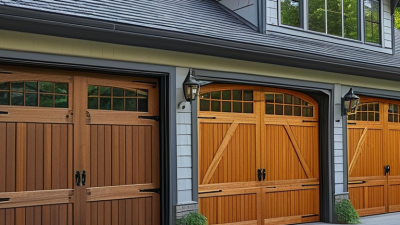
Choosing the right material for overhead doors can significantly impact your business. Durability and cost are key factors. Steel and aluminum are popular choices. They offer strength and security, but may come at a higher price. Wood, while aesthetically pleasing, often requires more maintenance. It might be the less durable option if your business is in a harsh climate.
Consider the environment where the door will be used. For instance, a coastal area may require rust-resistant materials. On the other hand, a warehouse with heavy traffic might need reinforced doors. Reflect on your specific situation. Cheaper options can lead to frequent repairs, ultimately costing more in the long run. Investing in durable materials can save you time and money.
Balancing initial costs with long-term durability is not always straightforward. Some businesses make compromises that they later regret. A less expensive option might look tempting. However, it may not withstand wear and tear effectively. Evaluate your priorities carefully. Quality often outweighs upfront savings. Ask for professional opinions and conduct thorough research before making a decision. The right choice is crucial for the success of your operations.
How to Choose the Right Overhead Door for Your Business? - Evaluating Overhead Door Materials Based on Durability and Cost
| Material Type |
Durability Rating (1-10) |
Cost (per square foot) |
Maintenance Level (Low/Medium/High) |
Energy Efficiency Rating (1-10) |
| Steel |
9 |
$20 |
Low |
7 |
| Aluminum |
7 |
$25 |
Medium |
8 |
| Wood |
6 |
$30 |
High |
6 |
| Fiberglass |
8 |
$22 |
Low |
9 |
| Vinyl |
7 |
$18 |
Medium |
8 |
Assessing Energy Efficiency Ratings for Overhead Doors in Businesses
When selecting an overhead door for your business, energy efficiency is a critical factor. According to the U.S. Department of Energy, commercial buildings can lose up to 30% of their energy through exterior doors. An overhead door with a high energy efficiency rating can significantly reduce these losses. Look for doors that meet or exceed ENERGY STAR certification, which indicates superior insulation and performance.
Research shows that insulated doors can decrease heating and cooling costs by 15% to 25%. In colder climates, consider doors with higher R-values, which measure thermal resistance. A door with an R-value of 20 or more can provide significant savings. Be aware that the initial cost of high-efficiency doors may be higher, yet their long-term energy savings often compensate for this upfront investment.
Behavioral factors also play a role. Leaving doors open or frequently opening and closing them can cancel energy savings. Business owners must train staff to operate these doors efficiently. Investment in energy-efficient models is not just about compliance; it's about enhancing overall operational efficiency while promoting sustainability.
Considering Security Features in Commercial Overhead Door Selection
When selecting a commercial overhead door, security features should be a top priority. According to a recent industry report, businesses experience a significant reduction in theft when investing in high-security doors. These doors often come equipped with advanced locking mechanisms and reinforced materials. For example, steel doors with multi-point locking systems can deter even the most determined intruders.
Additionally, businesses should consider the door's vulnerability to environmental threats. In a study by the National Institute of Standards and Technology, it was found that improperly secured doors can be breached within minutes, leading to significant losses. Reinforced doors not only provide better resistance against forced entry but also withstand harsh weather conditions, thereby protecting inventory.
It's important to reflect on the specific security needs of your business location. An area with a high crime rate may warrant investing in additional security features such as alarm systems or surveillance cameras. While these upgrades can add to initial costs, industry statistics show that prevention is more cost-effective than dealing with potential losses and disruptions. Ultimately, a strategic approach to security can enhance not only safety but also operational continuity.
Examining Local Regulations and Codes Impacting Overhead Door Choices
When selecting an overhead door for your business, local regulations and codes play a critical role. Each area has specific requirements regarding safety and accessibility. Understanding these regulations is essential to ensure compliance and avoid costly fines. For example, some municipalities may require reinforced doors in industrial zones to handle heavy equipment traffic.
Building codes often dictate the materials and installation methods. You might find restrictions on using certain materials due to fire safety concerns. It is important to review these codes thoroughly before making a decision. Non-compliance could result in significant delays during inspections.
Every business has unique needs, and regulations can be complex. It’s useful to consult with local authorities or industry experts to navigate these challenges. Flexibility in adapting your choice to meet regulatory standards is vital. If guidelines are ignored, the consequences could impact business operations significantly.