How to Choose the Right Loading Dock Door for Your Business Needs
Choosing the right loading dock door is a critical decision for any business that relies on logistics and shipping. According to industry expert John Smith, a leading consultant in warehouse operations, “The efficiency of your loading dock can make or break your entire supply chain.” This statement underscores the importance of selecting a loading dock door that not only fits the operational needs of your business but also enhances productivity and safety.
When evaluating loading dock doors, businesses must consider various factors including size, insulation, durability, and security features. The right choice can optimize workflow, reduce energy costs, and improve the overall effectiveness of your loading processes. Understanding the unique requirements of your operation is essential in making an informed decision that aligns with your business goals.
As we delve deeper into the nuances of selecting the ideal loading dock door, we will explore key features to consider and common pitfalls to avoid. By making a well-informed choice, businesses can ensure that their loading dock operations run smoothly, ultimately contributing to a more efficient and productive supply chain.
Understanding Different Types of Loading Dock Doors and Their Features
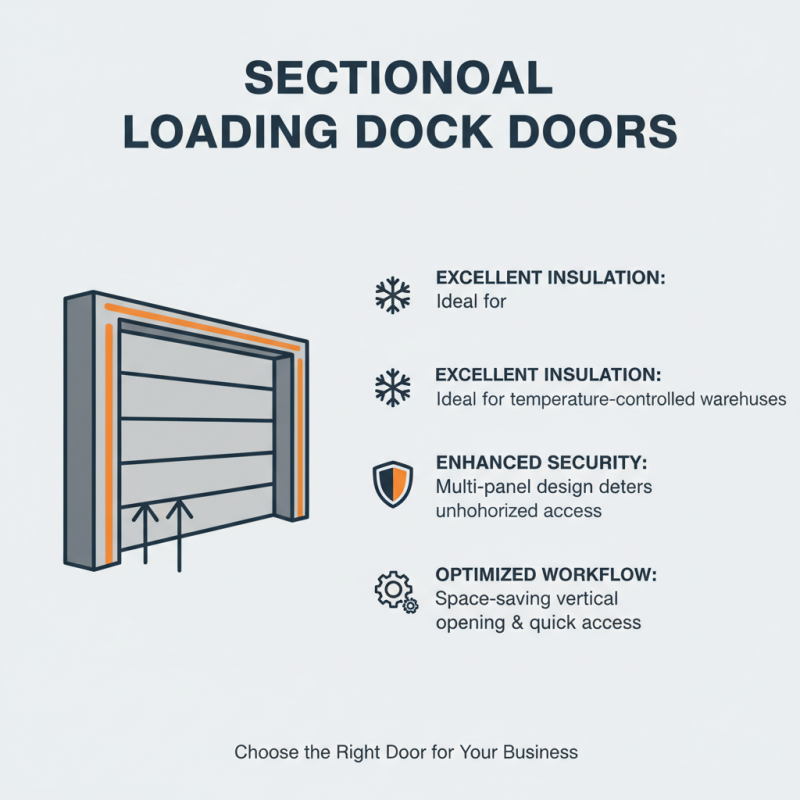
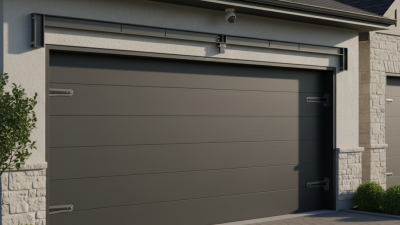
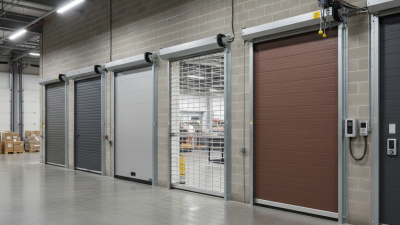
When choosing the right loading dock door for your business, it is crucial to understand the various types available and their unique features. One common option is the sectional door, which is composed of several horizontal panels that open upward. These doors provide excellent insulation and security, making them ideal for warehouses that require temperature control and protection from unauthorized access. Their design allows for efficient use of space and quick access, thus improving overall workflow.
Another popular choice is the roll-up door, known for its compact design and durability. Roll-up doors are constructed from a single sheet of material, rolling upwards to save space. They are particularly advantageous in high-traffic areas as they can withstand repeated use without significant wear and tear. Additionally, these doors are often equipped with features like weather seals and security locks, ensuring they meet the operational demands of busy loading docks.
For businesses requiring more flexibility, bi-fold or accordion doors offer a great solution. These doors open outward, folding into sections to maximize the opening size for large vehicles or equipment. Their design allows for rapid access, reducing wait times and enhancing productivity. Understanding these different loading dock door types and their benefits will help you make an informed decision tailored to your specific operational needs.
Assessing Your Business Needs: Weight Capacity and Frequency of Use
When selecting a loading dock door, evaluating your business needs is crucial, particularly regarding weight capacity and frequency of use. According to industry reports, businesses that handle shipments over 15,000 pounds daily should opt for high-capacity doors that can support these loads without compromising safety. The door's material, design, and construction play significant roles in its ability to withstand frequent use while maintaining secure operations.
Tips: Always assess the average weight of the materials and products being transported. For instance, if your operation routinely loads heavy machinery or industrial equipment, investing in a reinforced steel door might be wise. Moreover, consider adopting automatic doors for facilities with high traffic flow. These can enhance efficiency by reducing manual handling while also improving safety protocols, as they minimize the risk of accidents during the loading process.
Additionally, the frequency of door use is essential in determining the appropriate model. A facility that operates more than 50 times a day may benefit from a door with a faster opening mechanism, allowing for quicker load and unload cycles. According to recent statistics, automated doors have been shown to increase operational efficiency by as much as 30% in high-volume environments. Ensuring you choose the right loading dock door based on these factors can significantly impact your productivity and overall business operations.
Evaluating Security and Weather Resistance for Loading Dock Doors
When selecting the right loading dock door for your business, security and weather resistance are paramount considerations. A loading dock is a crucial access point for your operations, and the integrity of this entry must be ensured against potential threats. Security features can include reinforced materials, advanced locking mechanisms, and integration with surveillance systems. These elements not only protect your assets but also provide peace of mind for employees working in the vicinity.
In addition to security, weather resistance is essential for maintaining the efficiency and safety of loading operations. A loading dock door that can withstand harsh weather conditions, such as heavy rain, wind, or extreme temperatures, can prevent damage to goods and the interior of your facility. Look for doors that offer proper insulation and weather seals to enhance durability and reduce energy costs.
Choosing a door that meets these criteria will help to create a safe and reliable environment for your business operations.
Cost vs. Value: Budgeting for Loading Dock Door Installation and Maintenance
When considering the installation of loading dock doors, businesses must carefully weigh cost versus value. A comprehensive report by the Material Handling Industry of America indicates that the initial cost of loading dock doors can vary widely, with basic options starting around $1,000, while high-performance doors may exceed $10,000. However, focusing solely on the purchase price can lead to underestimated long-term expenses.
Factors such as energy efficiency, durability, and maintenance requirements should also be taken into account.
In an analysis conducted by the International Facility Management Association, it was found that maintenance costs for loading dock doors can average 10-15% of the door's initial price annually. This data underscores the importance of selecting doors that not only fit within a budget but also deliver value through lower operational costs.
Investing in higher-quality, energy-efficient doors can yield substantial savings over time, as they often require less frequent maintenance and reduce energy consumption by improving temperature control in facilities. Thus, a well-considered approach to budgeting that emphasizes value over merely upfront cost can enhance operational efficiency and contribute to a more sustainable business.
Best Practices for Selecting the Right Material and Design for Durability
When selecting the right loading dock door for your business, durability is a crucial factor that can significantly impact your operational efficiency. According to a report by the Material Handling Industry, over 40% of maintenance issues in warehouses stem from inadequate door systems. Choosing high-quality materials such as steel or reinforced fiberglass can greatly enhance the lifespan of your loading dock doors. Steel offers impressive strength and resistance to impact, while fiberglass provides excellent insulation properties, making them suitable for temperature-sensitive environments.
Design also plays a vital role in the durability of loading dock doors. The National Association of Wholesaler-Distributors highlights that well-designed loading dock doors can reduce wear and tear by up to 30% when paired with proper maintenance practices. Features such as weather seals, insulated panels, and robust hinges can help protect against environmental elements and frequent usage over time. By investing in a loading dock door that marries the right material with an effective design, businesses can not only enhance durability but also reduce long-term operational costs significantly.