10 Best Tips for Choosing the Right Garage Door
Choosing the right garage door can seem overwhelming. Many homeowners don't account for all the options available. It's important to consider your home’s style and your personal needs. A garage door should enhance your home’s curb appeal and functionality.
Think about the materials used in garage door construction. Wood, steel, and fiberglass each have their own benefits. Each material impacts durability, maintenance, and aesthetic appeal. You might prefer the warmth of wood, but is it worth the upkeep? Consider the security features as well. A sturdy garage door can protect your belongings from potential theft.
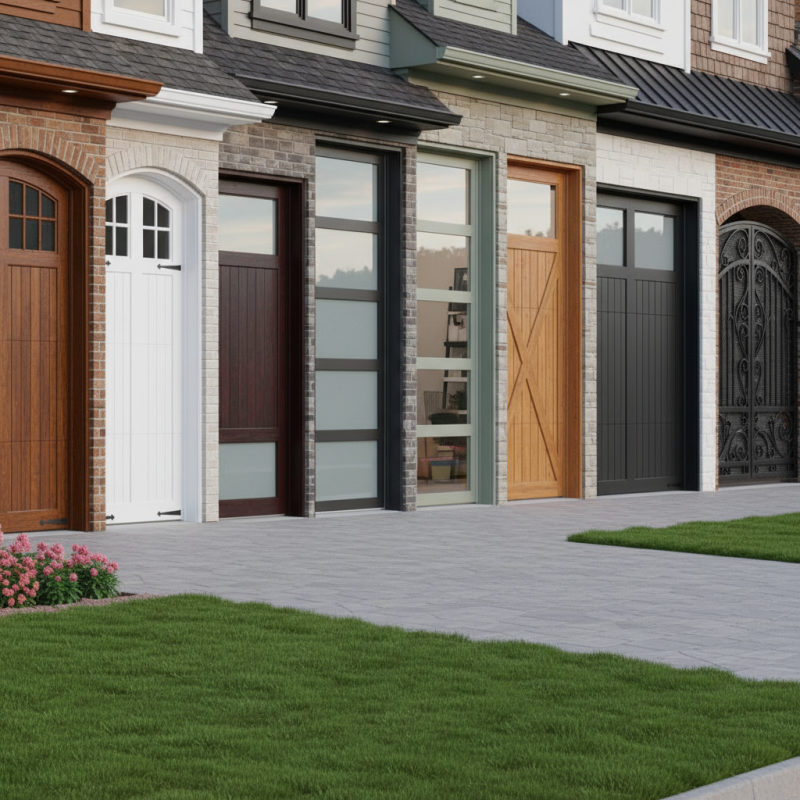
Don't overlook the importance of style and color. These elements can profoundly influence your home’s overall look. Take time to visualize how different designs will appear in your space. Reflect on your choices. Sometimes, what seems ideal may not suit your long-term needs. The right garage door should combine functionality with beautiful design. Make an informed decision that you will be happy with for years to come.
Understanding Your Garage Door Needs and Preferences
Choosing the right garage door is more than just aesthetics. It should reflect your lifestyle and preferences. Start by identifying your needs. Consider how often you use your garage. Do you need extra space for storage? Is it a place for hobbies? Factors like these can guide your selection.
Think about materials. Wood can provide warmth and beauty, but it requires maintenance. Steel is durable and secure, yet it may lack charm. Think about your climate, too. Extreme weather can affect the longevity of your door. Perhaps you want a door that offers insulation properties for energy efficiency.
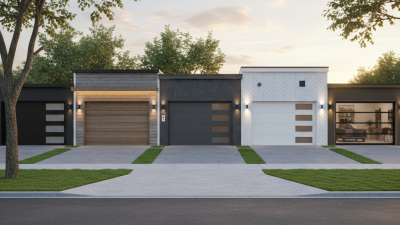
Finally, consider your home's style. Your garage door should harmonize with the architecture. A modern home may call for sleek lines. A traditional house could benefit from classic designs. Don't forget color choices, either. The right shade can enhance curb appeal. With so many options, it can feel overwhelming. Reflect on these aspects to make a choice that truly suits you.
Exploring Different Types of Garage Doors and Their Features
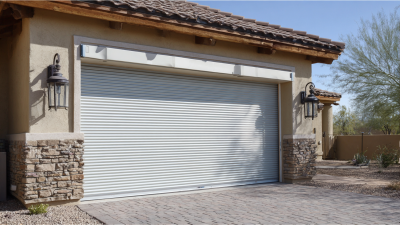
Choosing the right garage door requires understanding the different types available. There are several options: sectional, roller, and tilt-up. Sectional doors are composed of separate panels. They open vertically and save space. Roller doors consist of a curtain of slats that roll up into a coil. Tilt-up doors swing out before lifting. Each type has its unique benefits and aesthetic appeal.
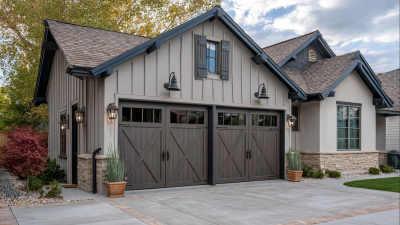
Material is another key consideration. Steel, wood, and fiberglass each offer distinct features. Steel doors are durable and require little maintenance. Wooden doors provide a classic look but need regular upkeep. Fiberglass can mimic wood and is resistant to moisture. Reflecting on personal needs will help guide your choice. For example, think about insulation. A well-insulated door can save on energy bills. It’s essential to balance style with functionality.
Don't forget to consider your home's architecture. A mismatched garage door can detract from its curb appeal. Measure your garage space carefully. A door that's too small or too large can create problems. Take your time in this decision. It's easy to rush and later regret it. Look around, explore your options, and ask for opinions. Every choice has its pros and cons, and getting it right may take more time than expected.
10 Best Tips for Choosing the Right Garage Door
Assessing Material Options for Durability and Aesthetics
When choosing a garage door, the material plays a crucial role in both durability and aesthetics. Steel doors offer strength and security. However, they can dent easily, which may require attention. On the other hand, wood doors provide a classic look. They can warp or rot over time if not properly maintained. It's important to consider your climate and the level of upkeep you're willing to manage.
Consider fiberglass doors as another option. They are strong and resistant to dents and rust. However, they can fade in intense sunlight, which is something to watch for. Aluminum doors are lightweight and don't rust. Yet, they might not provide the same insulation as other materials. Think about how these factors align with your needs.
Tip: Assess your local climate before making a decision. Durability can vary greatly based on environmental conditions. Look for doors with good insulation properties if you live in areas with extreme temperatures. Aesthetic choices should complement your home’s style. Finally, consider the balance between forms and function.
Evaluating Security Features and Insulation Options
When selecting a garage door, security features and insulation options are crucial factors. A well-insulated garage door can enhance energy efficiency. Consider doors with high R-values. This indicates better thermal resistance. Good insulation helps control temperature year-round.
For security, look for features like strong locks and solidly built materials. Reinforced doors deter potential intruders. Check if the door has a steel frame. A sturdy frame adds an extra layer of protection. Motion sensors can provide alerts against unauthorized access, which is a practical addition.
Pay attention to how well the door fits. Gaps can let in drafts or threaten security. You might also reflect on noise. A quieter door can improve your garage experience. Conduct research on various types. It's essential to find what suits you best. Evaluate your current garage situation. Your choices should fulfill your needs effectively.
Considering Budget and Maintenance Requirements for Your Choice
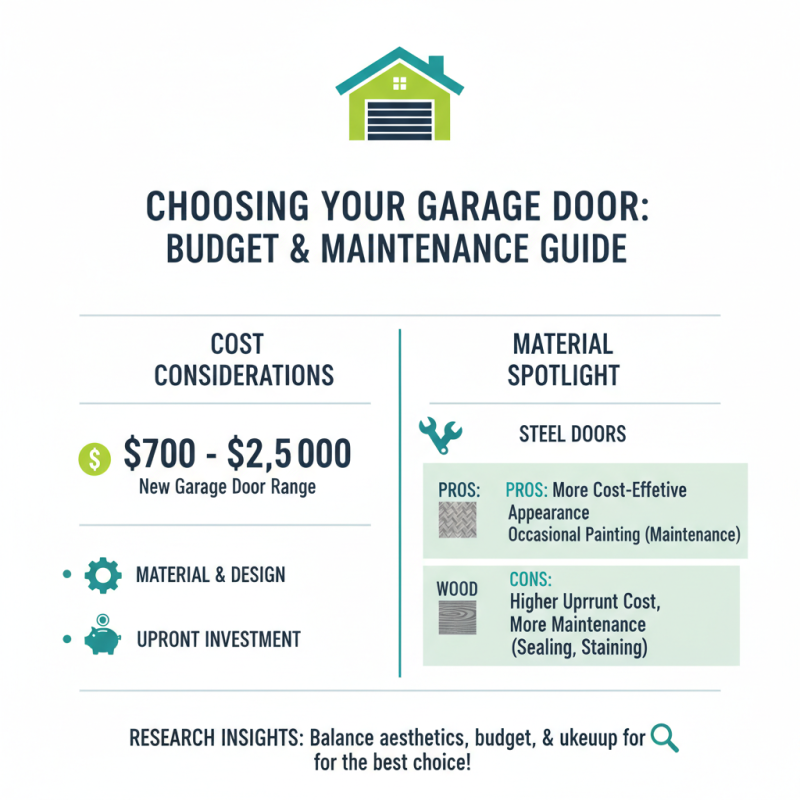
Choosing the right garage door involves careful consideration of budget and maintenance. Research indicates that homeowners spend between $700 and $2,500 on new garage doors. This range usually depends on material and design choice. Steel doors tend to be more cost-effective but can require occasional painting. Wood doors, while beautiful, have higher upfront costs and demand more maintenance.
Maintenance is a crucial factor which often gets overlooked. The International Door Association found that well-maintained doors can have a lifespan of over 20 years. Neglecting routine checks could lead to costly repairs. Homeowners should regularly inspect springs and tracks to prevent premature wear. Many forget that the door’s insulation impacts energy efficiency. Proper insulation can save approximately 20% on heating and cooling costs per year.
Also, remember that installation costs can add up. Professional installation takes complexity out of the process but may also strain your budget. Some opt for DIY methods to cut expenses. However, lack of proper skills can lead to mistakes. Prioritize a balance between initial costs and long-term savings to ensure a wise investment. Investing time in research can yield better options that fit within budget constraints and maintenance capabilities.