10 Best Rolling Steel Door Manufacturers Worldwide

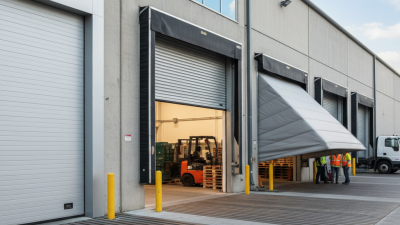
Choosing the right rolling steel door manufacturer requires more than comparing prices or browsing polished product photos. A reliable supplier must understand daily traffic, security demands, climate exposure, and installation conditions. In a busy warehouse, the rolling steel door may open hundreds of times weekly, face forklift impacts, and operate through dust or humidity. Small design choices can determine long-term performance.

This guide examines ten leading rolling steel door manufacturers worldwide through practical, evidence-based criteria. These include material quality, engineering capability, production consistency, safety features, customization, warranty support, and after-sales service. We also consider documented testing, regional certifications, technical resources, and customer experience where reliable information is available. Factory automation matters, but skilled inspection matters too.

Details matter.

A strong manufacturer should explain curtain gauge, slat profiles, guides, bottom bars, motors, controls, and maintenance requirements clearly. It should also provide realistic lead times instead of vague promises. However, no global ranking is completely flawless. Product ranges, certifications, ownership, and service networks can change over time. Some manufacturers excel in heavy industrial doors, while others perform better in commercial or architectural applications. Therefore, this list is intended as a professional starting point, not a substitute for site assessment or direct technical verification. Buyers should confirm local compliance, spare-part availability, wind-load ratings, cycle limits, and installation support before making a final decision. Real performance begins with honest specifications.
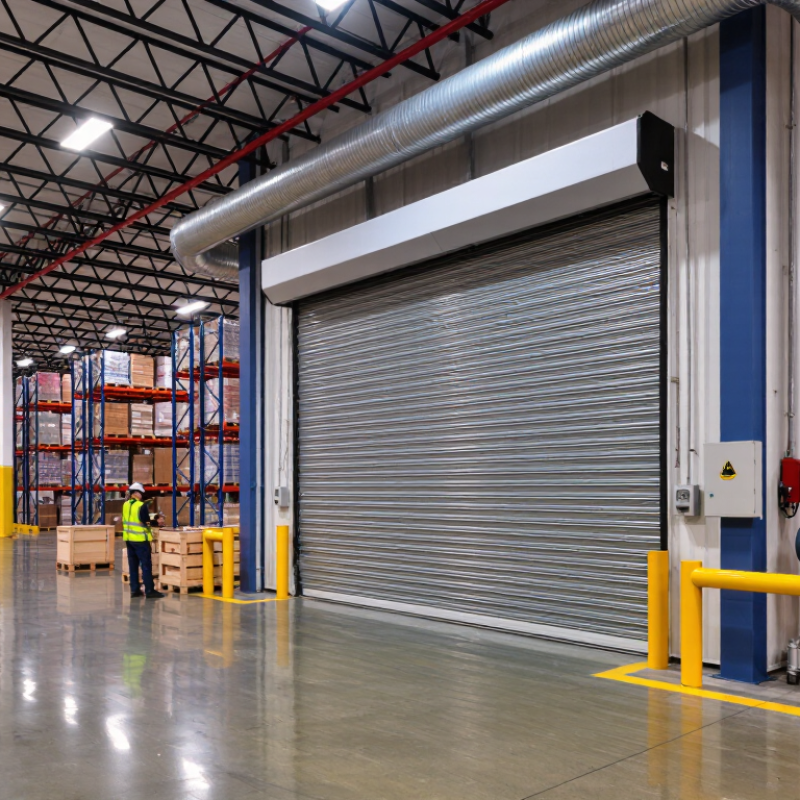
10 Best Rolling Steel Door Manufacturers Worldwide

Ranking Criteria: Cycle Ratings, Wind Loads, Fire Ratings, and Global Support

10 Best Rolling Steel Door Manufacturers Worldwide

Choosing among the 10 best rolling steel door manufacturers worldwide requires more than a polished catalog. The useful comparison starts with cycle ratings, measured through repeated opening and closing tests. High-cycle doors suit loading bays, hospitals, and busy parking facilities. Ask whether the rating reflects laboratory testing or verified field performance. Numbers need context.

Wind-load data matters when doors protect warehouses, coastal facilities, or exposed service yards. A credible manufacturer should provide tested pressure values, deflection limits, and installation requirements. Fire ratings deserve equal attention. The complete door assembly, including guides, curtain, bottom bar, and closing system, should have recognized test documentation. A fire label alone does not explain every site condition. Local authorities and qualified inspectors still need to review the application.

Global support separates dependable suppliers from impressive exporters. Check spare-part availability, technical manuals, training, and response times across time zones.

During a site inspection, I would also examine damaged slats, noisy guides, and emergency release access. These details reveal more than showroom photographs. A practical ranking should include warranty handling and installer competence. I once underestimated the effect of poor maintenance access; the door met its specifications but slowed daily operations. That experience remains a useful warning.

Some published comparisons also overlook climate, dust, and operator habits. Those omissions can distort the ranking.

Global Leaders I: ASSA ABLOY, Hörmann, CornellCookson, Janus, and Raynor

Rolling steel doors serve warehouses, retail units, garages, and industrial facilities worldwide. Grand View Research estimated the global industrial doors market at approximately US$7.6 billion in 2023. Its forecast indicates steady growth through 2030, supported by logistics expansion and modernization projects. Five leading manufacturers stand out through broad distribution, tested assemblies, and long operating histories.

The first leader emphasizes integrated access systems and large-scale commercial support. The second is known for engineered doors, thermal performance, and European production depth. The third focuses on heavy-duty security products for warehouses and service facilities. The fourth competes strongly in standardized rolling doors, replacement parts, and contractor availability. The fifth combines custom sizing with dependable solutions for industrial and commercial buildings.

Site conditions matter. A 2024 MarketsandMarkets analysis identifies durability, automation, and energy efficiency as major industrial-door purchasing factors. Field experience supports that view: poorly aligned guides often create noise, friction, and premature wear. Product rankings are not perfectly clean. Regional codes, installation quality, and service response can change the outcome. I would not judge a manufacturer from specifications alone. Buyers should compare cycle ratings, wind-load data, insulation values, warranty terms, and local technician coverage. Those details reveal practical performance better than polished catalog language.

10 Best Rolling Steel Door Manufacturers Worldwide - Global Leaders I: ASSA ABLOY, Hörmann, CornellCookson, Janus, and Raynor

Anonymous technical and application reference for commercial rolling steel doors
Door Category Typical Application Common Curtain Material Typical Steel Thickness Typical Operating Cycle Rating Common Safety Features Relevant Standards or Requirements
Service Counter Door Retail counters, pharmacies, concession areas, and interior openings Galvanized steel or stainless steel Approximately 0.7–1.2 mm Light to medium duty; commonly 10,000–25,000 cycles Bottom bar, safety edge, manual release, optional vision panels Local building code, electrical code, and project safety specifications
Commercial Service Door Stores, workshops, offices, and commercial buildings Galvanized steel with painted or powder-coated finish Approximately 0.8–1.5 mm Medium duty; commonly 20,000–50,000 cycles Automatic reversing control, photoelectric sensors, emergency release Wind-load design, local fire and accessibility requirements
Heavy-Duty Industrial Door Factories, warehouses, logistics centers, and loading areas Structural galvanized steel or stainless steel Approximately 1.2–2.0 mm Heavy duty; commonly 50,000–100,000 cycles Breakaway bottom bar, sensing edge, obstruction detection, manual override Project-specific structural, wind-load, electrical, and machinery requirements
Insulated Rolling Door Temperature-controlled rooms, workshops, and energy-conscious buildings Double-wall steel with insulated core Approximately 0.8–1.5 mm per steel face Medium to heavy duty; commonly 25,000–75,000 cycles Sealed guides, bottom seal, photoelectric protection, controlled closing Thermal performance, air leakage, fire, and local energy-code requirements
High-Speed Rolling Door Distribution centers, parking facilities, clean areas, and high-traffic openings Steel curtain or hybrid steel/polymer construction Product-specific; commonly 0.8–1.5 mm for steel components High frequency; commonly 100,000 cycles or more Light curtains, radar or loop detection, automatic reset, soft bottom edge Machine safety, electrical safety, traffic-control, and facility requirements
Fire-Rated Rolling Door Fire compartments, industrial facilities, kitchens, and protected openings Galvanized or stainless steel with fire-tested assembly Commonly 1.2–2.0 mm, subject to tested design Low to medium frequency; rating depends on tested assembly Fusible link or listed release device, controlled descent, obstruction protection UL 10B, UL 10C, NFPA 80, EN 1634-1, or locally accepted equivalent
Security Rolling Grille Shopping centers, airports, transit stations, and storefronts Steel or aluminum grille links Product-specific link and guide dimensions Medium to high duty; commonly 25,000–100,000 cycles Tamper-resistant guides, bottom bar, automatic stop, manual release Security, accessibility, egress, and electrical safety requirements
Perforated Rolling Shutter Retail fronts requiring visibility, airflow, and after-hours security Perforated steel or aluminum slats Approximately 0.8–1.5 mm Medium duty; commonly 20,000–50,000 cycles Bottom sensing edge, obstruction detection, secure guide channels Local security, accessibility, fire, and egress provisions
Parking Garage Rolling Door Vehicle entrances, parking structures, and secured service access Galvanized steel, perforated steel, or aluminum Approximately 0.8–1.5 mm High frequency; commonly 50,000–100,000 cycles Vehicle loops, photoelectric sensors, warning lights, emergency release Traffic safety, ventilation, fire, accessibility, and local structural codes
Exterior Wind-Resistant Door Coastal buildings, exposed facades, warehouses, and large exterior openings Reinforced galvanized steel or stainless steel Approximately 1.2–2.0 mm, subject to engineering design Medium to heavy duty; commonly 25,000–75,000 cycles Wind-rated guides, reinforced bottom bar, sensing edge, secure locking system ASCE 7 or applicable regional wind-load standard; project-specific engineering required

Note: Dimensions, cycle ratings, and performance requirements are representative industry ranges. Final specifications must be confirmed against the selected door assembly, opening size, site conditions, local codes, and applicable test documentation.

Global Leaders II: Novoferm, Alutech, Teckentrup, Garaga, and Gliderol

Rolling steel doors serve warehouses, loading bays, retail units, and fire-separated areas. The five manufacturers in this group span Central Europe, Eastern Europe, Western Europe, Canada, and Australia. Their products typically combine galvanized steel curtains, sealed guides, counterbalance systems, and tested control units. Small details matter. A door that closes unevenly can waste energy and accelerate wear.

Allied Market Research valued the global rolling shutter market at about USD 9.6 billion in 2022. Its report projects growth toward roughly USD 15.5 billion by 2032. That expansion supports demand for stronger security, faster operation, and lower maintenance. However, market growth does not prove equal product quality. Buyers should examine cycle-test results, wind-load classifications, corrosion protection, and spare-parts availability. EN 13241 remains a useful reference for industrial door performance in European projects. In practical inspections, I would also check curtain alignment, bottom-edge sensitivity, emergency release access, and noise during repeated cycles. Data can mislead. A high specification sheet cannot replace installation accuracy or service response. The overlooked issue is often local support, not steel thickness.

Global Rolling Steel Door Manufacturers: Technical Comparison Framework

This chart compares commonly referenced U.S. steel-gauge thicknesses used for rolling steel door slats. The millimeter values represent nominal uncoated steel thickness; actual finished thickness may vary according to coating, tolerance, and regional manufacturing standards.

Performance Benchmarks: UL 325, EN 13241, and ISO 9001 Compliance

10 Best Rolling Steel Door Manufacturers Worldwide

Performance comparisons should begin with safety evidence, not catalog photographs. UL 325 addresses entrapment protection and control-system safety for powered doors and gates. Installers should verify monitored edges, photoelectric sensors, emergency release access, and documented force testing. Small details matter. A door can look robust while its controls remain poorly configured.

EN 13241 evaluates industrial, commercial, and garage doors through requirements for safety, durability, wind resistance, thermal performance, and other characteristics. Buyers should request test reports that match the actual curtain, guides, operator, and installation conditions. Substituting a thicker steel curtain does not automatically prove compliance. Field performance can change with wind, corrosion, poor alignment, or repeated impact.

ISO 9001 concerns the manufacturer’s quality-management system, rather than one door’s physical performance. The 2023 ISO Survey recorded more than 1.26 million ISO 9001 certificates worldwide, showing broad adoption but not equal technical capability. Certification should be checked for scope, validity, audit status, and production location. Paper is not performance. The strongest evaluations combine third-party testing, traceable materials, maintenance records, and witnessed factory procedures. A less comfortable question remains: does the supplier measure failures after installation, or only celebrate successful laboratory tests?

Fire-Door Evidence: NFPA 80 Requires Inspection and Testing at Least Annually

10 Best Rolling Steel Door Manufacturers Worldwide

A rolling steel fire door can appear solid while hiding a serious maintenance problem. NFPA 80 requires inspection and testing at least annually by a qualified person. The check should cover the curtain, guides, bottom bar, counterbalance, fusible links, labels, and release mechanisms. During testing, the door should close fully without binding or excessive delay. Keep dated records, including defects, repairs, and retest results. A clean report is not proof of perfect protection.

Tips: Schedule testing before busy operating hours. Keep the opening clear. Photograph damaged slats or loose guides. Ask for written findings, not verbal approval. Never disable a release device to avoid accidental closing. That shortcut creates risk.

When comparing rolling steel door manufacturers worldwide, request fire-test evidence, installation instructions, service coverage, and replacement-part availability. Confirm that the proposed assembly matches the wall, opening size, and required fire rating. A certificate alone is not enough. Field conditions can change everything. A perfect inspection form can still miss a stiff guide or a warped bottom bar. Review local code requirements with the authority having jurisdiction, because NFPA 80 may work alongside other applicable rules. Reliability comes from documented testing, trained technicians, and quick correction of small faults. Small faults become expensive.