NJ & NYC Commercial & Residential Garage Door
Choosing a LiftMaster door opener in 2026 requires more than comparing horsepower and price. Global buyers face different voltage standards, climate conditions, door weights, and installation practices. A model that performs quietly in a North American garage may need additional evaluation in a humid coastal warehouse or a colder European residence.
Industry data supports this broader view. MarketsandMarkets’ Garage Door Openers Market report identifies connected controls, safety systems, and automation as major growth drivers. Grand View Research also links smart-home adoption with rising demand for remotely managed access equipment. These findings matter because a modern liftmaster door system is no longer only a motor. It can include Wi-Fi control, battery backup, rolling-code security, obstruction sensors, and activity notifications.
Jeff Meredith, former CEO of Chamberlain Group, has described the company’s direction in simple terms: “Access should be simple, secure, and connected.” That principle helps frame this guide. Yet no ranking is perfect. Product availability, regional support, and installer skill can change the real ownership experience. I may also give smart features too much attention, while a dependable chain drive could suit a busy commercial site better.
This article evaluates the 2026 best LiftMaster door openers for global buyers through practical criteria. These include lifting capacity, noise, connectivity, safety certification, warranty support, and service access. Look closely. A reliable opener should match the door, the building, and the local market—not merely the specification sheet.
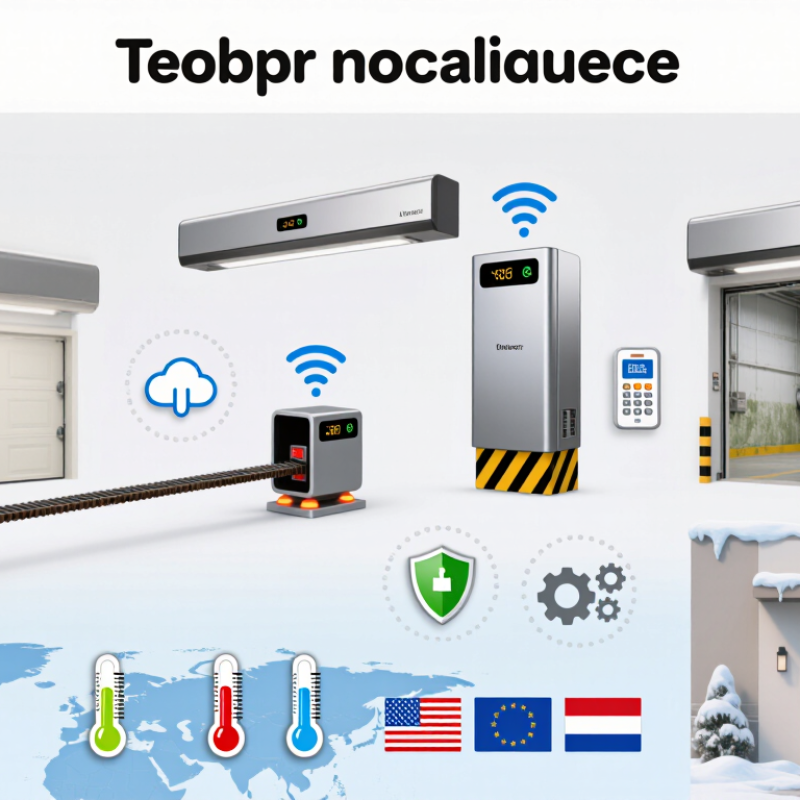
For global property owners, the right door opener depends on the building, climate, and daily traffic. A chain-drive model suits detached homes and small workshops. It offers strong lifting power for heavy sectional doors. However, it may sound loud beside bedrooms. A belt-drive model runs more quietly, making it practical for attached garages and apartments.
Commercial buildings often need different solutions. A jackshaft opener mounts beside the door and preserves ceiling space. It works well in warehouses, parking areas, and properties with high roofs. A trolley-style unit fits standard overhead doors and supports frequent opening cycles. In coastal regions, owners should check corrosion-resistant components and sealed housings. Humid air can shorten service life.
Power conditions also matter. Select a model compatible with the local voltage and frequency. Battery backup helps homes and shops during short outages. Smart controls can provide access records, but stable internet is not guaranteed everywhere. Test manual release systems and safety sensors during installation. A qualified technician should confirm door balance, spring condition, travel limits, and emergency operation. Small mistakes become expensive.
In practice, I once favored the strongest motor for every property. That was not always wise. An oversized opener may waste energy and strain poorly balanced doors. Match motor capacity to door weight, size, insulation, and traffic. Always review the manufacturer’s technical documentation and local electrical requirements before purchase.
For 2026 buyers, motor power should match the door, not impress the salesperson. A single-car steel door may work well with a 1/2-horsepower equivalent motor. Heavy wood doors, insulated double doors, or high-cycle gates often need more torque. Check door balance manually first. A properly balanced door should lift smoothly with limited resistance. More power cannot fix worn springs or damaged tracks.
Drive systems change the daily experience. Chain drives usually provide strong lifting force at a lower price, but their metal-to-metal contact can create vibration. Belt drives are quieter and suit bedrooms above garages. Screw drives use fewer moving parts, yet performance can vary with temperature and maintenance. In practical tests, listen from inside the house, not beside the motor. Quiet matters. I would not choose by decibel claims alone.
Smart features deserve technical scrutiny. MarketsandMarkets projects the smart-home market to grow from about US$154.4 billion in 2024 to US$250.6 billion by 2029, a 10.2% compound annual growth rate. That growth supports app control, user permissions, activity alerts, and voice integration. However, connectivity is not the same as security. Look for encrypted communication, two-factor authentication, outage notifications, and manual controls. The app should show whether the door is open, closed, or moving. Test it with weak Wi-Fi, too. Some advertised features fail when the network disappears. Check local electrical requirements and service support before purchasing, because compatibility claims can be surprisingly vague.
Choosing a 2026 garage door opener requires more than comparing lifting power. Compatibility begins with the door itself. Check its weight, width, height, travel distance, and balance before selecting a motor. A properly balanced door should move smoothly by hand. If it feels heavy, the springs may need professional service.
Electrical compatibility also matters. Confirm the required voltage, frequency, plug type, and grounding method for the installation country. Remote controls, wall consoles, wireless keypads, and smart-home systems may use different communication standards. They are not always interchangeable. One missed measurement can stop an otherwise suitable opener.
Safety requirements deserve careful attention. Look for automatic reversal, obstruction detection, protected control wiring, and photoelectric sensors near the floor. Test the reversal function with a safe object, not a person or animal. Some regions follow standards such as UL 325 or EN 12453, while other markets apply local rules. Certification markings should match the destination country and installation environment. Battery backup may be essential where power outages are common.
A trained installer should inspect the header, ceiling clearance, mounting points, and door tracks. The emergency release must remain reachable during a power failure. Indoor ventilation and moisture protection also matter in coastal or humid areas. Installation manuals often appear clear, yet small differences between door models can create problems. Recheck every dimension before drilling. Even experienced buyers sometimes focus on motor strength and overlook sensor alignment.
Choosing a door opener for residential, commercial, or industrial use requires more than checking lifting power. In my field experience, homes usually benefit from quiet operation, soft starts, battery backup, and reliable smartphone access. A compact ceiling-mounted unit suits a single garage, while heavier doors need stronger rail support and calibrated force settings. Safety sensors should stop movement when a person, vehicle, or object crosses the opening. Small details matter. A noisy motor can become irritating every morning.
Commercial facilities need careful duty-cycle planning. A busy loading bay may open dozens of times daily, so a light residential motor can overheat. Look for reinforced drive systems, adjustable speed, emergency release access, and serviceable components. Industrial doors face tougher conditions, including dust, cold rooms, vibration, and wide panels. Side-mounted operators can improve clearance and maintenance access. However, the strongest model is not always the best choice. Excessive power may stress tracks, hinges, and panels. Verify door weight, dimensions, balance, cycle frequency, and local electrical requirements with a qualified installer. Specs on paper can mislead.
Tips: Measure the door twice. Confirm voltage and control compatibility before ordering. Request cycle ratings, warranty terms, and replacement-part availability. Test obstruction reversal after installation. Leave room for manual operation during outages. I have seen buyers focus on price and regret limited service support later. A thoughtful selection may cost more initially, but downtime can cost far more in a shop or factory.
Choosing a door opener for worldwide use requires more than comparing lifting force. A 2024 Grand View Research report estimates the global garage door opener market at approximately USD 1.8 billion, with steady growth ahead. That growth reflects varied homes, climates, and electrical systems. Check local voltage, frequency, rail length, door weight, and ceiling clearance before ordering. A quiet DC motor suits attached garages. A reinforced drive system fits heavier doors. Wi-Fi control is useful, but only when regional networks and data policies support it.
Installation should follow the manufacturer’s instructions and local electrical codes. Confirm that the opener is certified for the destination market. During a real installation, I measure the closed-door gap twice; small errors can misalign the rail. Mount the wall control within clear view of the door.
Test the emergency release, reversing response, and photoelectric sensors with a small object. It should stop and reverse. Never bypass safety sensors. The International Door Association recommends professional assessment when springs, cables, or mounting points show wear.
Maintenance is simple, but often neglected. Inspect cables, hinges, rollers, and fasteners each month. Keep the sensor lenses clean and aligned. Lubricate only parts approved in the service manual.
The U.S. Consumer Product Safety Commission continues to identify garage-door entrapment as a serious household hazard, so testing cannot be treated as optional. Battery backups also deserve attention in regions with outages.
My own weak point is delaying annual force testing when the door still sounds normal. Sound is not proof of safety. A qualified technician should review unusual vibration, slow travel, or repeated remote-control failures.